
Beautiful Plants For Your Interior
Beautiful Plants For Your Interior
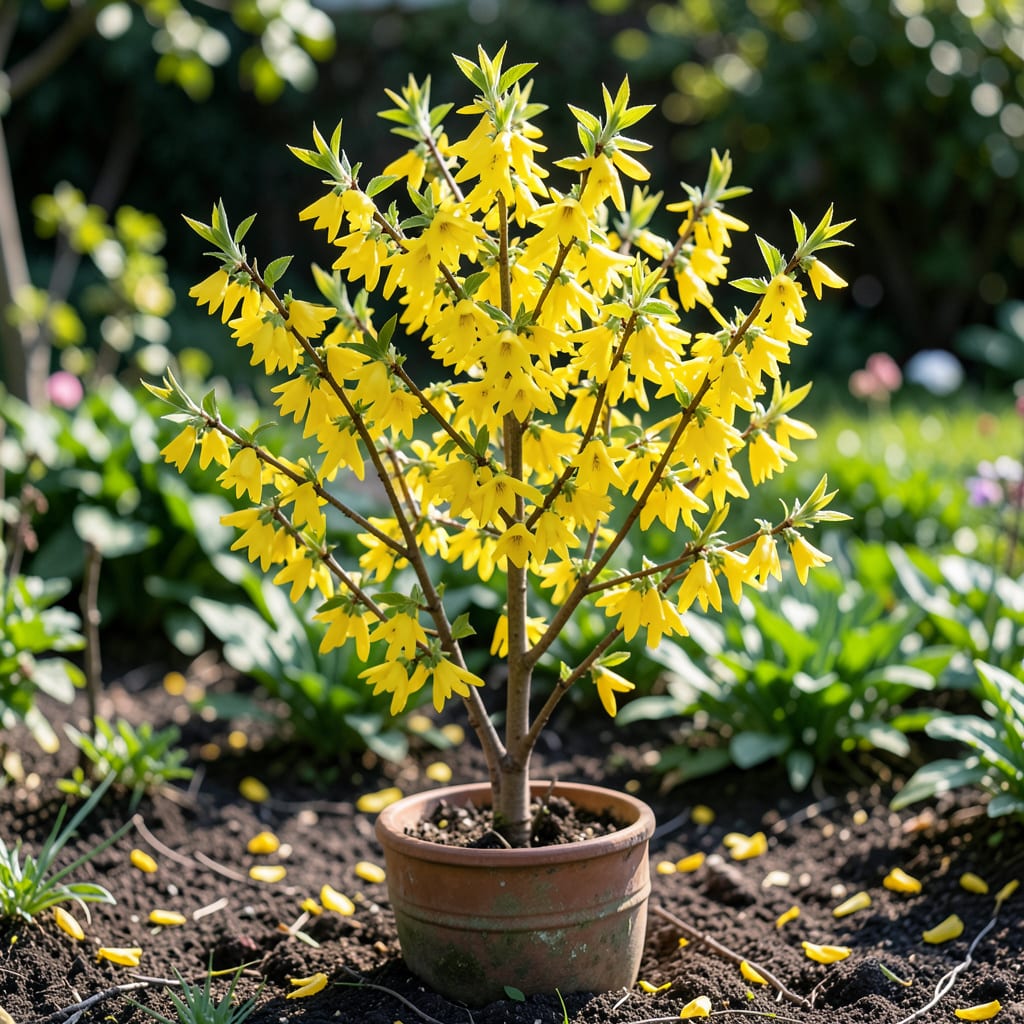
As spring arrives, Forsythia 🌼 bursts into vibrant yellow blooms, signaling the end of winter. But how long can you expect this colorful display to last in your garden?
In USDA Zone 6 and similar climates, Forsythia typically blooms for 3-4 weeks, creating a stunning spectacle that’s worth understanding and maximizing. Let’s explore what affects their blooming period and how to make the most of it.
Forsythia’s vibrant yellow blooms are a harbinger of spring, but their flowering period can vary based on several factors. Understanding these factors helps you maximize their beauty in your garden 🌼.
The typical blooming period for Forsythia is 3-4 weeks, usually occurring in early to mid-spring. However, this duration can be influenced by climate, variety, and care practices.
The blooming period of Forsythia is influenced by several key factors. Climate plays a significant role, with Forsythia generally thriving in USDA Zones 5-8. Temperature fluctuations, especially late frosts, can damage flowers and affect their duration. The specific variety of Forsythia also matters, as different cultivars may have slightly different blooming times and durations.
Care practices are equally important. Proper pruning techniques, soil conditions, and adequate sunlight can all contribute to a longer and more vibrant blooming period. Understanding these elements helps gardeners create optimal conditions for their Forsythia 🌿.
Forsythia typically blooms in early to mid-spring, with the exact timing depending on the local climate and weather conditions. In general, you can expect Forsythia to bloom for around the same time each year, give or take a few days based on temperature variations 🔥.
To maximize the blooming period, it’s essential to understand how different factors interact. For instance, Forsythia requires full sun to produce the best blooms, and well-draining soil helps prevent root rot and other issues. By optimizing these conditions, you can enjoy a longer and more vibrant display of Forsythia flowers 🌻.
Overall, while the typical blooming duration is 3-4 weeks, careful planning and proper care can help extend the flowering season. By understanding the factors that affect Forsythia’s bloom, you can make the most of this beautiful spring shrub 🌼.
In conclusion, Forsythia’s blooming period is a delightful aspect of spring gardening. With the right conditions and care, you can enjoy a vibrant display of yellow blooms that signal the arrival of warmer weather 🌻.
To extend the blooming period of your Forsythia, proper care is essential. This includes pruning techniques, maintaining optimal soil conditions, and ensuring adequate sunlight. By focusing on these aspects, you can enjoy a longer and more vibrant display of Forsythia flowers 🌼.
Prune your Forsythia immediately after it finishes blooming to encourage new growth and maximize next year’s bloom. Use sharp pruning shears and remove any dead or damaged branches.
One of the most critical factors in maximizing Forsythia’s blooming period is pruning. Prune your Forsythia right after it finishes blooming, typically in late spring. This timing allows you to shape the plant without cutting off next year’s flower buds 🌿.
Soil conditions also play a vital role. Forsythia prefers well-draining soil with a slightly acidic to neutral pH. Ensuring the soil is rich in organic matter can help retain moisture and provide necessary nutrients 🌱.
Adequate sunlight is another crucial element. Forsythia thrives in full sun, requiring at least 6 hours of direct sunlight per day. If your Forsythia is not getting enough sunlight, consider relocating it to a sunnier spot ☀️.
In addition to these factors, proper watering is essential. Forsythia prefers consistent moisture, especially during its first year of growth. Water your Forsythia regularly, but avoid overwatering, which can lead to root rot 💧.
By implementing these care strategies, you can maximize your Forsythia’s blooming period and enjoy its vibrant yellow flowers for weeks 🌼.
Regular maintenance, including fertilization and mulching, can also support healthy growth and blooming. Use a balanced fertilizer in early spring, following the manufacturer’s instructions 🌿.
Overall, with the right care and attention, your Forsythia can bloom beautifully year after year, providing a stunning display of color in your garden 🌻.
After Forsythia finishes blooming, it’s essential to understand the post-bloom care to maintain its health and prepare for next year’s bloom 🌼.
The first step is to prune your Forsythia. Pruning immediately after blooming allows you to shape the plant without cutting off next year’s flower buds. Use sharp pruning shears and remove any dead or damaged branches 🌿.
Prune your Forsythia after blooming to maintain its shape and promote healthy growth. This will also help maximize next year’s bloom.
In addition to pruning, fertilization is crucial. Use a balanced fertilizer in early spring, following the manufacturer’s instructions. This will provide necessary nutrients for healthy growth and blooming 🌿.
Mulching around the base of your Forsythia can also support its health. Mulch helps retain moisture, suppress weeds, and regulate soil temperature 🌱.
Regular watering is essential, especially during the first year after planting. Forsythia prefers consistent moisture, but avoid overwatering, which can lead to root rot 💧.
By following these post-bloom care tips, you can ensure your Forsythia remains healthy and continues to bloom beautifully year after year 🌻.
Overall, understanding what to expect after Forsythia finishes blooming and taking the right care steps will help you enjoy this beautiful spring shrub for years to come 🌼.
In summary, proper post-bloom care includes pruning, fertilization, mulching, and regular watering. By implementing these practices, you can maintain your Forsythia’s health and maximize its blooming potential 🌻.
Forsythia usually blooms for 3-4 weeks in early to mid-spring, creating a vibrant display of yellow flowers. The exact duration can vary based on climate and care practices. Proper care can help maximize the blooming period .
Several factors influence Forsythia’s blooming period, including climate, variety, and care practices. Temperature fluctuations, especially late frosts, can damage flowers and affect their duration. Proper pruning and soil conditions also play a crucial role .
To extend the blooming period, ensure your Forsythia receives full sun and is planted in well-draining soil. Proper pruning techniques immediately after blooming can also encourage new growth and maximize next year’s bloom. Regular watering and fertilization support healthy growth .
After Forsythia finishes blooming, prune the plant to maintain its shape and promote healthy growth. Use sharp pruning shears and remove any dead or damaged branches. This helps maximize next year’s bloom and keeps the plant looking its best .
