
Beautiful Plants For Your Interior
Beautiful Plants For Your Interior
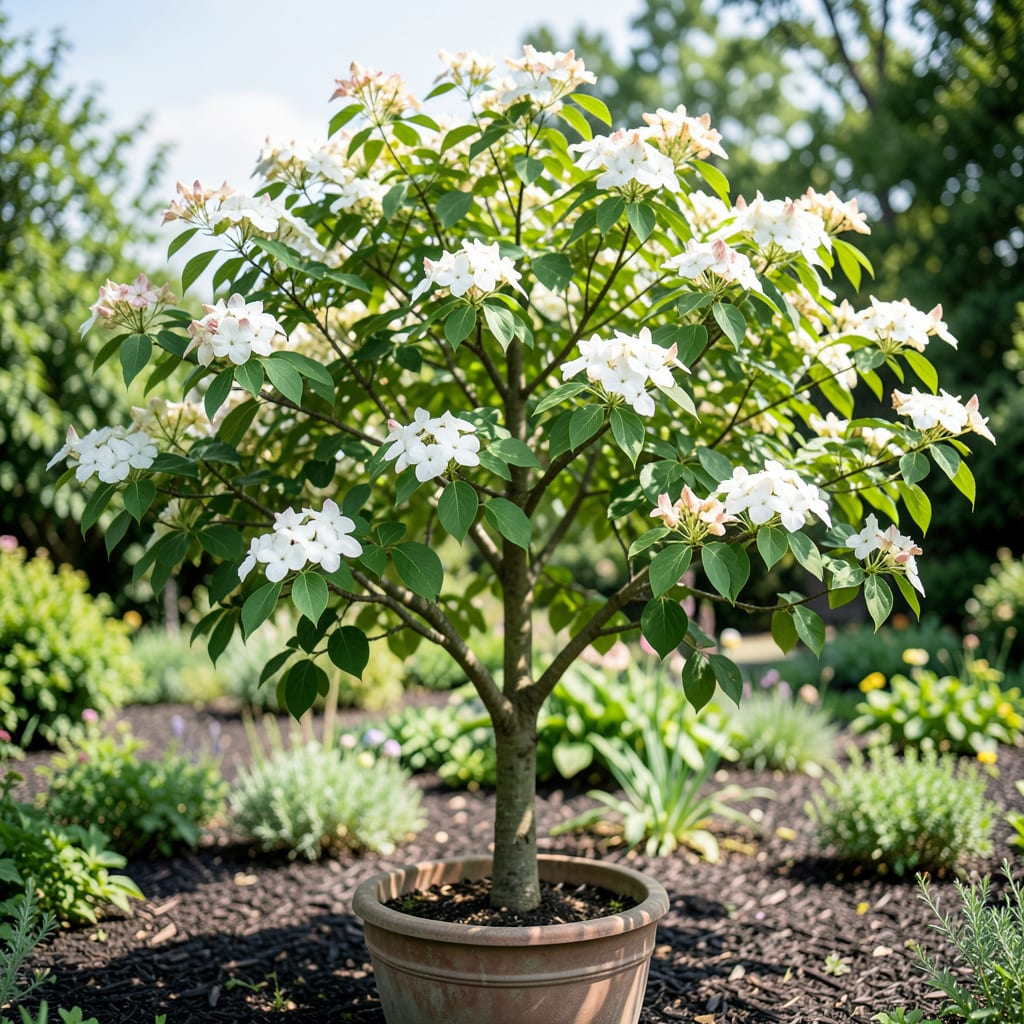
As spring arrives, Dogwood Trees 🌳 burst into bloom, creating a stunning display of flowers that can transform any landscape. But how long can you expect this floral spectacle to last in your garden?
The blooming period of Dogwood Trees typically lasts 2-4 weeks, depending on factors like weather conditions and specific tree variety. Understanding these factors can help you make the most of this beautiful seasonal display.
Dogwood trees are known for their stunning floral displays that typically last 2-4 weeks during the spring season. The exact duration can vary based on several factors including the specific variety of dogwood, weather conditions, and geographical location 🌳.
The blooming period generally occurs in early to mid-spring, with some varieties blooming as early as March and others as late as May. Understanding these factors can help gardeners appreciate and manage their dogwood trees effectively.
The blooming period of dogwood trees is influenced by various environmental factors. Weather conditions, such as temperature and rainfall, play a significant role in determining how long the blooms last. Generally, cooler temperatures and adequate moisture can help prolong the blooming period.
Tree health is another critical factor that affects the blooming duration. Healthy trees with robust root systems and adequate nutrients tend to have longer and more vibrant blooming periods. Regular maintenance, such as proper watering and fertilization, can contribute to the overall health of the tree 🌻.
Understanding these factors can help gardeners make informed decisions about planting and caring for their dogwood trees to maximize their blooming potential.
By considering the specific needs and conditions required for optimal blooming, gardeners can enjoy the beautiful floral displays of their dogwood trees for years to come.
In conclusion, the blooming duration of dogwood trees is a complex process influenced by multiple factors. By understanding and managing these factors, gardeners can enhance their blooming experience 🌼.
Regular observation and appropriate care can help ensure that dogwood trees continue to thrive and provide stunning floral displays each spring.
For gardeners looking to optimize their dogwood tree’s blooming period, focusing on overall tree health and providing ideal growing conditions is key.
By doing so, they can enjoy the beauty of their dogwood trees for an extended period, enhancing their garden’s aesthetic appeal.
The blooming period of dogwood trees is influenced by various environmental and care factors. Weather conditions, such as temperature and rainfall, play a significant role in determining how long the blooms last 🌳.
Generally, cooler spring temperatures and adequate moisture can help prolong the blooming period. Extreme weather conditions, such as late frosts or drought, can damage the blooms and shorten their duration.
To optimize your dogwood tree’s blooming period, ensure it receives proper watering and fertilization. Maintaining overall tree health is key to maximizing bloom duration.
Tree health is another critical factor that affects the blooming duration. Healthy trees with robust root systems and adequate nutrients tend to have longer and more vibrant blooming periods 🌻.
Regular maintenance, such as proper pruning and pest management, can contribute to the overall health of the tree. By focusing on these aspects, gardeners can enjoy the beautiful floral displays of their dogwood trees for an extended period.
Understanding the factors that influence the blooming period can help gardeners make informed decisions about planting and caring for their dogwood trees.
By providing ideal growing conditions and maintaining good tree health, gardeners can maximize their dogwood tree’s blooming potential and enjoy the beauty of their blooms for years to come 🌼.
Different species of dogwood trees have varying bloom periods, which can help gardeners choose the best variety for their needs 🌳.
The blooming period of dogwood trees can range from early spring to late spring, depending on the species. Understanding these differences is crucial for garden planning and appreciation.
The Cornelian Cherry Dogwood is one of the earliest blooming dogwood species, with bright yellow flowers appearing in early spring 🌼.
The Eastern Dogwood blooms in mid-spring, producing white or pink flowers that are a popular choice for gardeners 🌻.
Kousa Dogwood is known for its late spring blooms, featuring white flowers with showy bracts that add to its ornamental value 🌸.
By understanding the different bloom periods of various dogwood species, gardeners can create a diverse and dynamic garden landscape 🌳.
Choosing the right dogwood species based on their bloom period can enhance the overall aesthetic appeal of a garden.
Gardeners can enjoy a prolonged blooming season by incorporating multiple dogwood species with different bloom times 🌼.
Dogwood trees usually bloom for 2-4 weeks during the spring season. The exact duration can vary depending on factors like weather conditions and the specific tree variety.
The blooming period is influenced by weather conditions like temperature and rainfall, as well as tree health and soil quality. Cooler spring temperatures and adequate moisture can help prolong the blooming period.
Yes, you can help extend the blooming period by ensuring your dogwood tree receives proper watering and fertilization. Maintaining overall tree health through regular maintenance like pruning and pest management is also crucial.
Yes, different dogwood species bloom at different times. For example, the Cornelian Cherry Dogwood blooms in early spring, while the Kousa Dogwood blooms in late spring. Choosing multiple species can create a prolonged blooming season.
