
Beautiful Plants For Your Interior
Beautiful Plants For Your Interior
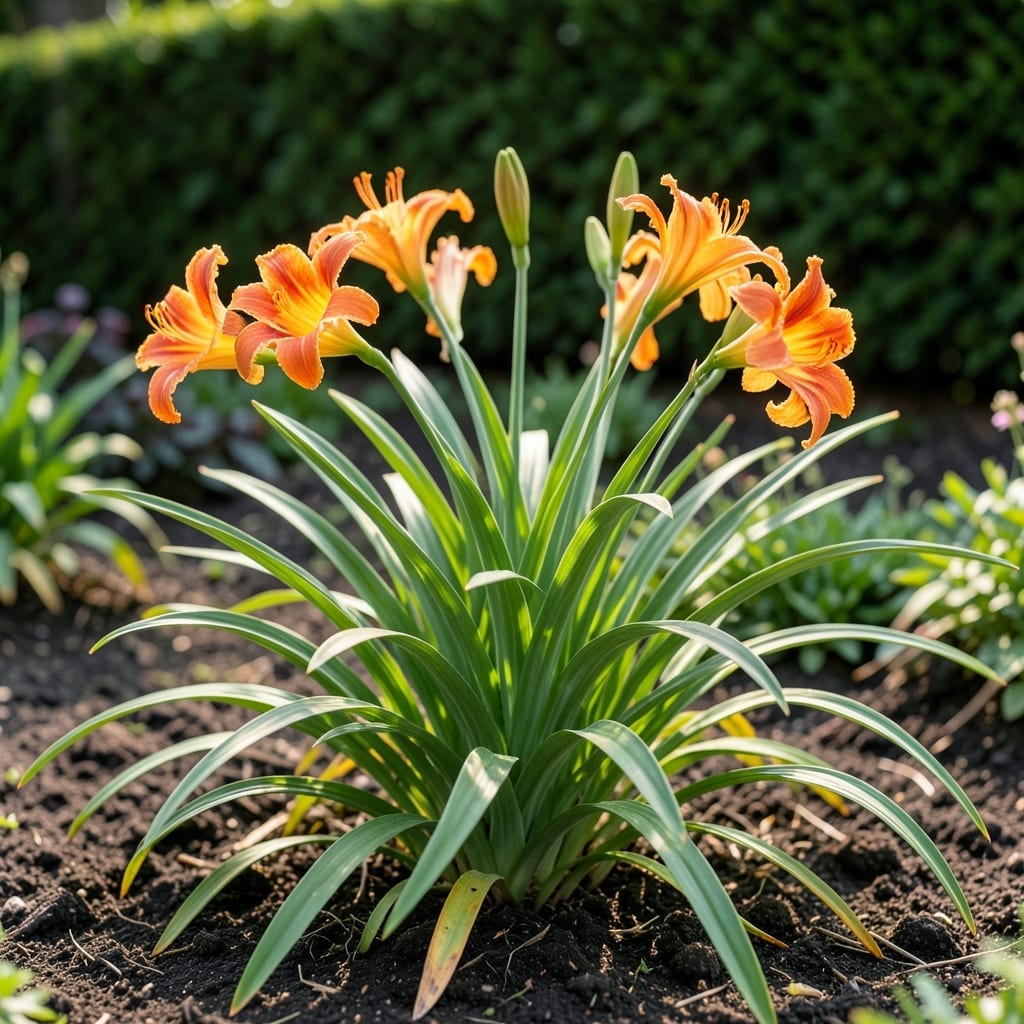
There’s something magical about watching Daylilies 🌸 transform your garden overnight. Each bloom unfurls at dawn, offering a burst of color that lasts just a single day.
But here’s the key: while individual flowers fade by evening, the plant keeps producing new ones for weeks. This cycle creates a continuous display that can brighten your garden from early summer through fall.
I’ve learned that understanding this pattern helps you appreciate their beauty even more. With proper care, you can extend this colorful show longer than you might expect.
Discover how to make the most of your Daylilies’ blooming season and keep your garden vibrant all season long.
If you’ve ever admired daylilies in your garden, you know their individual blooms don’t last long. In fact, each flower typically opens in the morning and wilts by evening, completing its 24-hour lifespan in a single day.
Despite their fleeting nature, daylily plants are prolific producers. They send up multiple flower scapes with numerous buds, ensuring a steady parade of color. This cycle can continue for 3-5 weeks or even longer, depending on the variety and growing conditions.
| Bloom Lifespan | 24 hours |
| Blooming Season | 3-5 weeks |
| Peak Bloom Time | Early morning |
| Wilt Time | By evening |
| Scape Production | Multiple per plant |
The biology behind this daily renewal is fascinating. Daylilies are hemerocallids, meaning “beauty for a day” in Greek. Their rapid flower turnover is an evolutionary adaptation to attract pollinators efficiently over an extended period.
Seasonal factors play a role too. In cooler climates, blooms may last slightly longer, while intense heat can shorten their lifespan. Proper care like consistent watering and full sun exposure helps maximize the number of blooms produced.
I’ve noticed that healthy daylilies with well-draining soil tend to have more robust blooming cycles. If the roots are stressed, the plant may produce fewer scapes, reducing the overall display duration.
Another key factor is deadheading. While each individual bloom only lasts a day, removing spent flowers encourages the plant to redirect energy into producing more buds, extending the overall blooming period.
For gardeners in USDA zones 3-9, daylilies are a reliable choice. Their adaptability means they thrive in a range of conditions, from full sun to partial shade, though blooming is most prolific in sunnier spots.
The color variation in daylilies is another delight. From soft pastels to vibrant hues, each bloom adds a fresh burst of color to your garden daily. This constant refresh keeps the garden looking dynamic and alive all season long.
Understanding this cycle helps you plan your garden for continuous color. Pair daylilies with longer-lasting perennials to create a balanced, ever-changing floral display that keeps your outdoor space vibrant from spring to fall 🌸
I’ve found that while each daylily bloom lasts just 24 hours, you can stretch the overall flowering season with simple care adjustments. The secret lies in understanding their growth habits and providing optimal conditions.
Proper deadheading is my top tip. Removing spent blooms daily encourages the plant to redirect energy toward producing new flowers rather than setting seed.
I always recommend morning watering to prevent fungal issues. Wet foliage at night can lead to disease, which shortens the blooming period significantly.
For continuous color, select reblooming daylilies like ‘Happy Returns’ or ‘Pardon Me’. These varieties can produce multiple flushes of flowers throughout the season.
Soil preparation matters too. I amend my beds with compost each spring to ensure nutrient-rich, well-draining soil that supports healthy growth and abundant blooms.
Finally, divide your daylilies every 3-4 years to maintain vigor. Overcrowded plants produce fewer blooms, so this simple step keeps them performing at their best. ☀️