
Beautiful Plants For Your Interior
Beautiful Plants For Your Interior
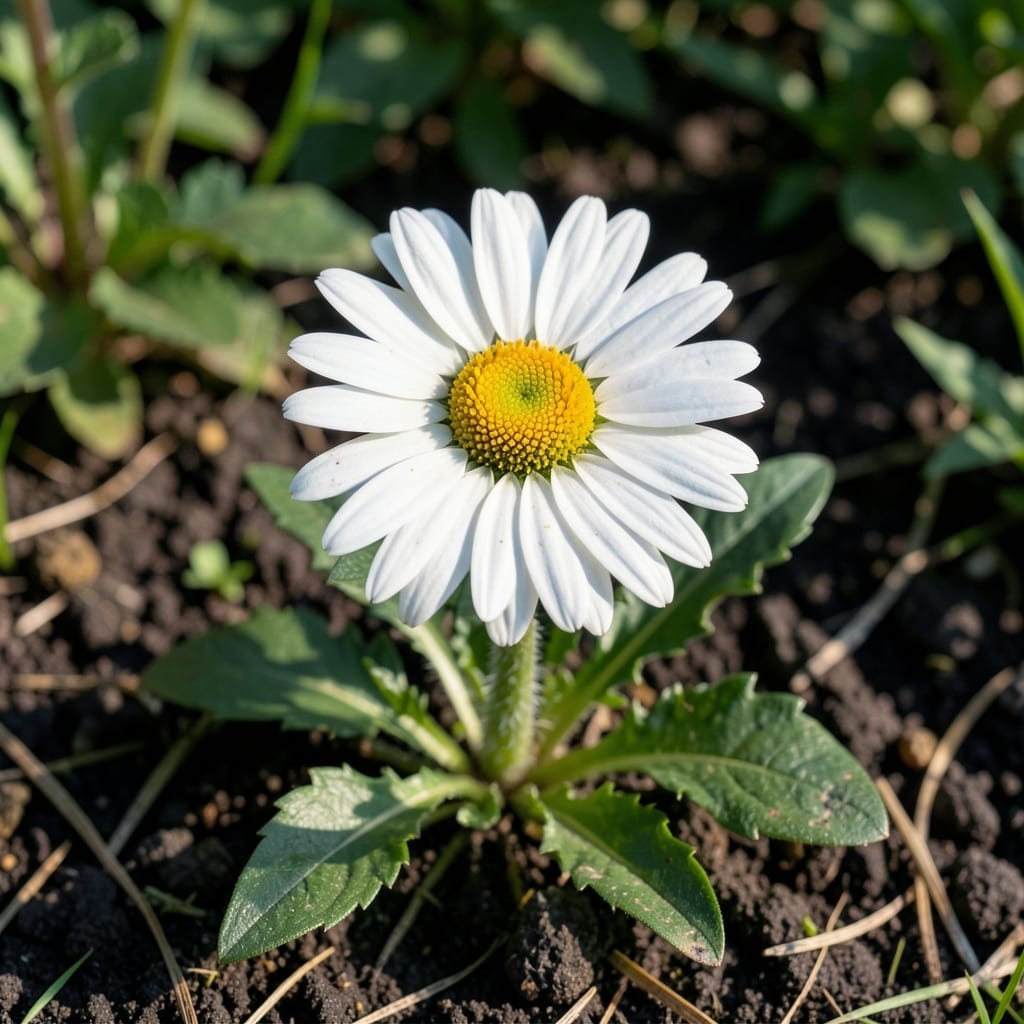
There’s nothing quite like the cheerful sight of 🌼 Daisies brightening up a garden, but their blooming period can be surprisingly short-lived if you don’t know the tricks.
Whether you’re growing annuals, biennials, or perennials, their lifespan can stretch from weeks to years with the right care. I’ve seen firsthand how small adjustments can make a big difference.
Let’s discover how to keep your Daisies thriving longer, no matter your climate or variety.
If you’ve ever wondered how long daisies last, the answer starts with the variety. Not all daisies are created equal—some bloom for a single season, while others return year after year with proper care.
I’ve grown everything from Shasta daisies to African daisies, and their lifespans can surprise you. Annuals like Bellis perennis may only last a few months, but perennials can thrive for years under ideal conditions.☀️
| Variety | Type | Lifespan | Bloom Duration |
|---|---|---|---|
| Shasta Daisy | Perennial | 3-5 years | June-Sept |
| Oxeye Daisy | Perennial | 2-3 years | May-Oct |
| African Daisy | Annual/Perennial | 1-2 years | Spring-Fall |
| English Daisy | Biennial | 2 years | April-June |
| Marguerite Daisy | Perennial | 5+ years | May-Sept |
Shasta daisies are a garden staple, often returning for 3-5 years if given full sun and well-draining soil. Their classic white petals can brighten your garden from early summer to fall.
Oxeye daisies are another perennial favorite, but they tend to have a shorter lifespan of about 2-3 years. They spread easily, which can be a blessing or a curse depending on your garden layout.
African daisies are more finicky—they’re often grown as annuals in cooler climates but can behave as perennials in warmer USDA zones. With vibrant colors, they’ll bloom from spring until the first frost.
English daisies are biennials, meaning they complete their life cycle in two years. The first year focuses on foliage, while the second year brings those iconic blooms from April to June.
For the longest-lasting impact, Marguerite daisies can keep blooming for 5+ years with minimal fuss. They’re drought-tolerant and thrive in poor soil, making them ideal for low-maintenance gardens.
Remember, these are just guidelines. With proper deadheading, consistent watering, and fertile soil, you can often extend the lifespan of any daisy variety beyond its typical range.🌱
I always recommend dividing perennials every few years to keep them vigorous. This simple step can rejuvenate older plants and encourage more abundant blooms in the following seasons.🌿
While variety plays a huge role, I’ve found that climate and care practices can dramatically impact how long your daisies last. Even the hardiest perennials will struggle in poor conditions or with neglect.
Temperature extremes are a major factor. Most daisies thrive in 60-75°F ranges. In scorching summers, I
Watering habits directly affect longevity. I water my daisies deeply once a week, allowing the soil to dry slightly between waterings. Overwatering leads to root rot, while drought stress shortens the blooming period.
Soil quality matters more than you’d think. Daisies prefer slightly acidic to neutral soil (pH 6.0-7.0). I amend my garden beds with compost each spring to ensure they have the nutrients they need for strong growth.
In my experience, deadheading spent blooms is the simplest way to extend your daisy season. This prevents the plant from putting energy into seed production and instead directs it toward creating new flowers.🌼
Finally, don’t underestimate the power of seasonal care. In fall, I cut back my perennials to 6 inches above the ground. This helps prevent disease and prepares them for a stronger return next spring.