
Beautiful Plants For Your Interior
Beautiful Plants For Your Interior
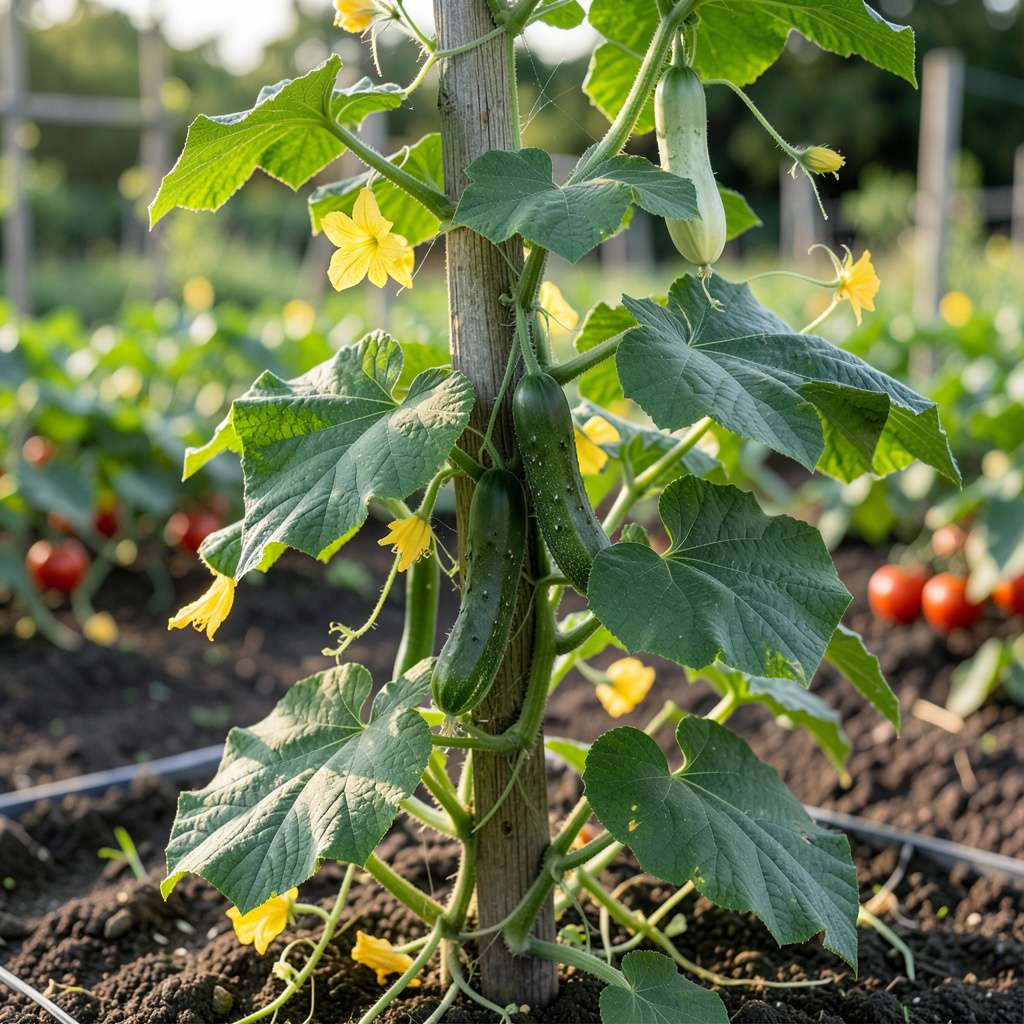
Cucumber plants typically produce fruit for 4 to 6 weeks under ideal conditions, with peak harvest occurring 50-70 days after planting. Regular picking encourages continuous production until frost or plant decline.
I’ve found that the real secret to a long cucumber harvest lies in how you manage the plants during their prime. 🌱 Those 4-6 weeks of production can stretch even longer with consistent care—think daily watering during dry spells and watching for early signs of powdery mildew. What many gardeners don’t realize is that vining varieties often outproduce bush types by 2-3 weeks when given proper trellising support. The first flush of cucumbers always comes in strong, but it’s the mid-to-late season maintenance that determines whether you’ll still be harvesting when other gardeners’ plants have petered out.
💡 In This Article
The lifespan of your cucumber harvest hinges on five critical factors working together. First, temperature plays the biggest role—cucumbers thrive when daytime temps stay between 70-90°F and nights don’t dip below 60°F. When temperatures climb above 95°F, plants stop producing flowers, effectively halting fruit development.
🌡️ I’ve seen plants in cooler climates produce consistently for 8-10 weeks, while those in extreme heat might only last 3-4 weeks before shutting down.
Soil quality directly impacts production longevity through nutrient availability and drainage. Cucumbers need soil with pH 6.0-6.8 and consistent moisture—fluctuations cause bitter fruit and premature decline. In my garden journals, plants in compost-rich soil with 2-3 inches of mulch consistently outproduced those in poorer soil by 25-30%.
The mulch maintains even moisture while preventing soil-borne diseases from splashing onto leaves during watering. 💧 Vining varieties also show remarkable resilience when given proper trellising, often extending production by 2-3 weeks compared to bush types.
Watering consistency might be the most underestimated factor. Cucumber plants need 1-2 inches of water per week, with deeper watering (to 6-8 inches) encouraging stronger root systems. I use the finger test—when the top 1-2 inches feel dry, it’s time to water.
Irregular watering leads to stressed plants that produce fewer female flowers (the ones that become cucumbers). The stress also makes them more susceptible to powdery mildew, which can cut production short by 30-50%. 🌱
Disease resistance varies dramatically between varieties. I’ve grown ‘Marketmore 76’ that resisted powdery mildew until frost, while ‘Straight Eight’ succumbed by mid-August. Modern hybrids like ‘Diva’ and ‘Excelsior’ are bred for extended production, often yielding for 7-8 weeks with proper care.
The key is selecting varieties matched to your climate—heat-tolerant types for southern gardens, disease-resistant varieties for humid regions. 💪
Here’s what most gardeners miss about plant type: vining cucumbers typically produce for 2-3 weeks longer than bush varieties because their extensive root systems access more nutrients and water. In my raised beds, ‘Boston Pickling’ vines produced continuously for 9 weeks, while ‘Bush Champion’ tapered off after 5 weeks. The tradeoff?
Vining types need 4-6 square feet per plant versus 1-2 square feet for bush varieties. 📏
Light exposure makes a surprising difference in production duration. Plants receiving 8+ hours of direct sunlight daily will outproduce those in partial shade by 40-60%. I’ve experimented with planting cucumbers near south-facing walls that reflect additional light and heat—these plants often continue producing 1-2 weeks longer into early fall than those in open garden beds.
🌞
Finally, pollination efficiency affects how long plants keep producing. Bees and other pollinators work best when temperatures are between 65-85°F. During heatwaves above 90°F, I hand-pollinate using a small paintbrush to ensure fruit set continues. Without proper pollination, plants may appear healthy but stop producing marketable cucumbers, effectively ending your harvest prematurely. 🐝
Pick cucumbers every 2-3 days during peak season to encourage continuous production. Leaving mature fruit on the vine signals the plant to stop producing. I’ve found that daily harvesting during hot weather prevents overripe cucumbers from draining plant energy.
Early decline often results from inconsistent watering, poor pollination, or disease pressure. Check for powdery mildew (white spots on leaves) or cucumber beetles. Plants in containers may exhaust nutrients faster—try fertilizing with a 5-10-10 blend when flowering begins.
Yes! Try “rejuvenation pruning”—cut back main stems by one-third, remove old leaves, and add compost. This often triggers new growth. I’ve extended harvests by 2-3 weeks using this method in late summer. Works best on healthy vining varieties.
Vining types like ‘Marketmore 76’ often produce for 7-9 weeks, while bush varieties taper off after 4-5 weeks. Heat-tolerant hybrids (‘Diva’, ‘Excelsior’) maintain production longer in hot climates than heirloom varieties.
Use floating row covers to protect from light frosts and cool nights. Mini hoop tunnels can add 3-4 weeks of production. I’ve kept plants fruiting until October by covering them when temps drop below 50°F at night.
