
Beautiful Plants For Your Interior
Beautiful Plants For Your Interior
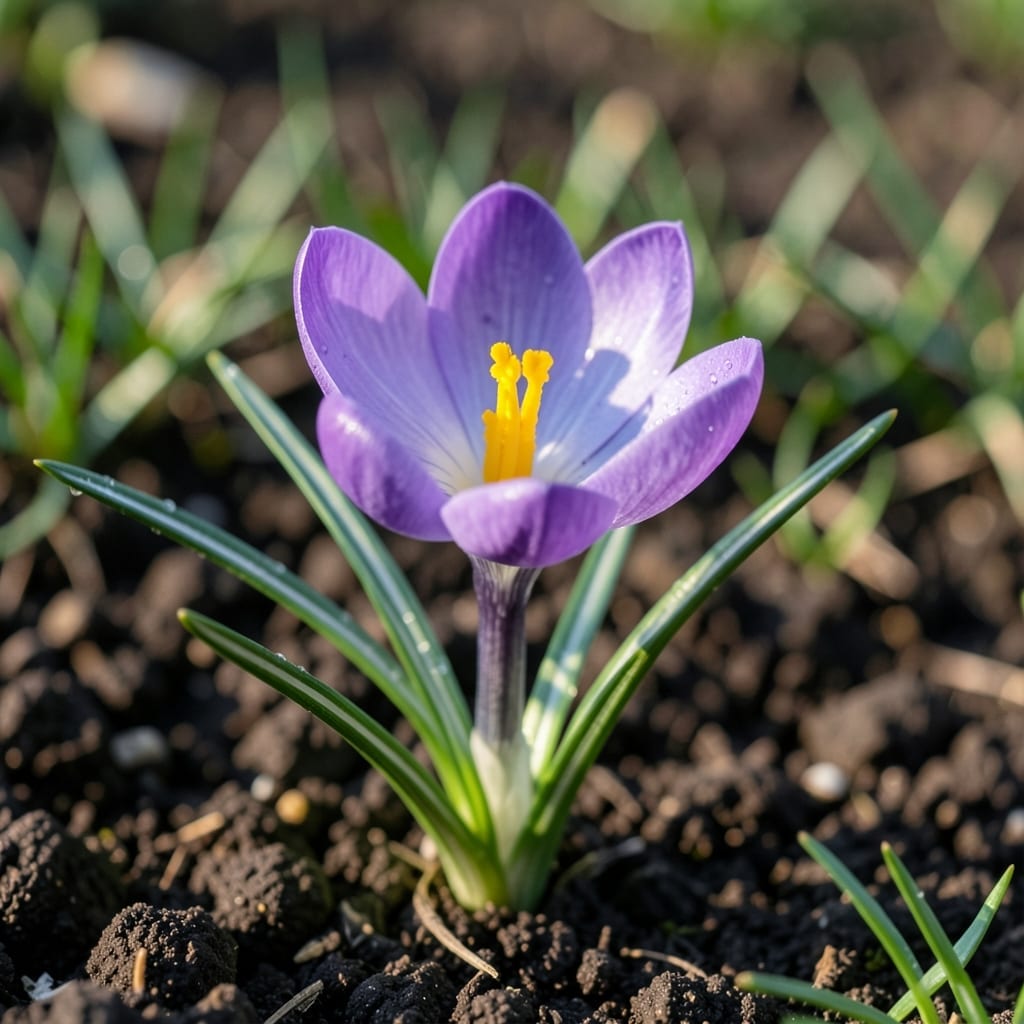
There’s nothing quite like seeing the first 🌷 Crocus push through the cold earth, signaling that spring is on its way. These hardy little flowers bring color and life when most of the garden is still asleep.
But how long can you expect that vibrant display to last? Understanding their blooming period helps you plan and enjoy them to the fullest. Whether you’re in USDA zone 3-8 or just love early spring blooms, timing matters.
I’ve learned that with a few simple tricks, you can actually extend their stay in your garden. From planting depth to post-bloom care, every detail makes a difference.
Let me walk you through what to expect and how to make the most of your Crocus season. You’ll be surprised how much control you have over their blooming timeline.
I love watching crocus flowers push through the cold soil, signaling spring’s arrival. These hardy perennials typically bloom for 2-3 weeks, though the exact duration depends on the variety and weather conditions. Early bloomers like Crocus tommasinianus may start in late winter.
Most spring crocus varieties begin flowering in February or March, with each bloom lasting about 5-7 days. Warmer climates may see shorter bloom periods, while cooler areas can extend the display. Late varieties, such as Crocus vernus, often bloom into early April.
| Variety | Bloom Time | Duration |
|---|---|---|
| Crocus tommasinianus | Late Winter | 2-3 weeks |
| Crocus vernus | Early Spring | 2-4 weeks |
| Crocus chrysanthus | Early to Mid-Spring | 3 weeks |
In my garden, I’ve noticed that sunlight exposure plays a big role. Crocuses in full sun tend to open earlier in the day and close at night, which can slightly shorten their visible bloom time. Those in partial shade may stay open longer during cooler parts of the day.
Soil conditions also impact longevity. Well-draining soil prevents root rot and helps crocuses thrive, while waterlogged soil can cut their bloom time short. I always ensure my crocus beds have good drainage to maximize their display.
Temperature fluctuations are another key factor. A sudden late frost can damage open blooms, while unseasonably warm weather may cause them to fade faster. In my experience, a consistent cool spring extends the crocus season beautifully.
If you’re planting crocuses for the first time, consider staggered planting. By mixing early, mid, and late varieties, you can create a continuous bloom that lasts up to 6-8 weeks. This trick keeps my garden colorful from winter’s end to spring’s peak.
I also recommend deadheading spent blooms to redirect energy into the corms for next year’s flowers. However, leave the foliage intact until it yellows, as it fuels future growth. This simple step helps ensure a strong return next season.
For those in warmer USDA zones, crocuses may bloom earlier but for a shorter period. In cooler zones, like Zone 3-5, the bloom time can stretch longer. I’ve found that mulching lightly in fall helps protect corms and supports a robust spring show.
Finally, remember that crocus blooms are fleeting but worth the wait. Their brief but vibrant display is nature’s way of reminding us that spring is on the horizon. With the right care, you can enjoy their cheerful colors year after year 🌷
If you want to enjoy your crocus flowers for as long as possible, timing and care are everything. These early bloomers typically last 2-3 weeks, but with the right approach, you can stretch that window.
I’ve found that planting in clusters and choosing the right location makes a noticeable difference. More flowers mean a longer, more vibrant display. ☀️
One of my favorite tricks is planting crocus corms at different depths. This staggers emergence, so you get blooms over several weeks instead of all at once. It’s a simple hack with big rewards.
Also, consider variety selection. Some species, like Crocus tommasinianus, bloom earlier, while others, such as Crocus vernus, follow later. Mixing them creates a longer spring color show.
Mulching lightly with organic material helps retain moisture and protects corms from temperature swings. Just keep it thin so shoots can push through easily. 🌱
Finally, resist the urge to cut back foliage too soon. Those green leaves are busy storing energy for next year’s blooms. Let them fade naturally for the best results.