
Beautiful Plants For Your Interior
Beautiful Plants For Your Interior
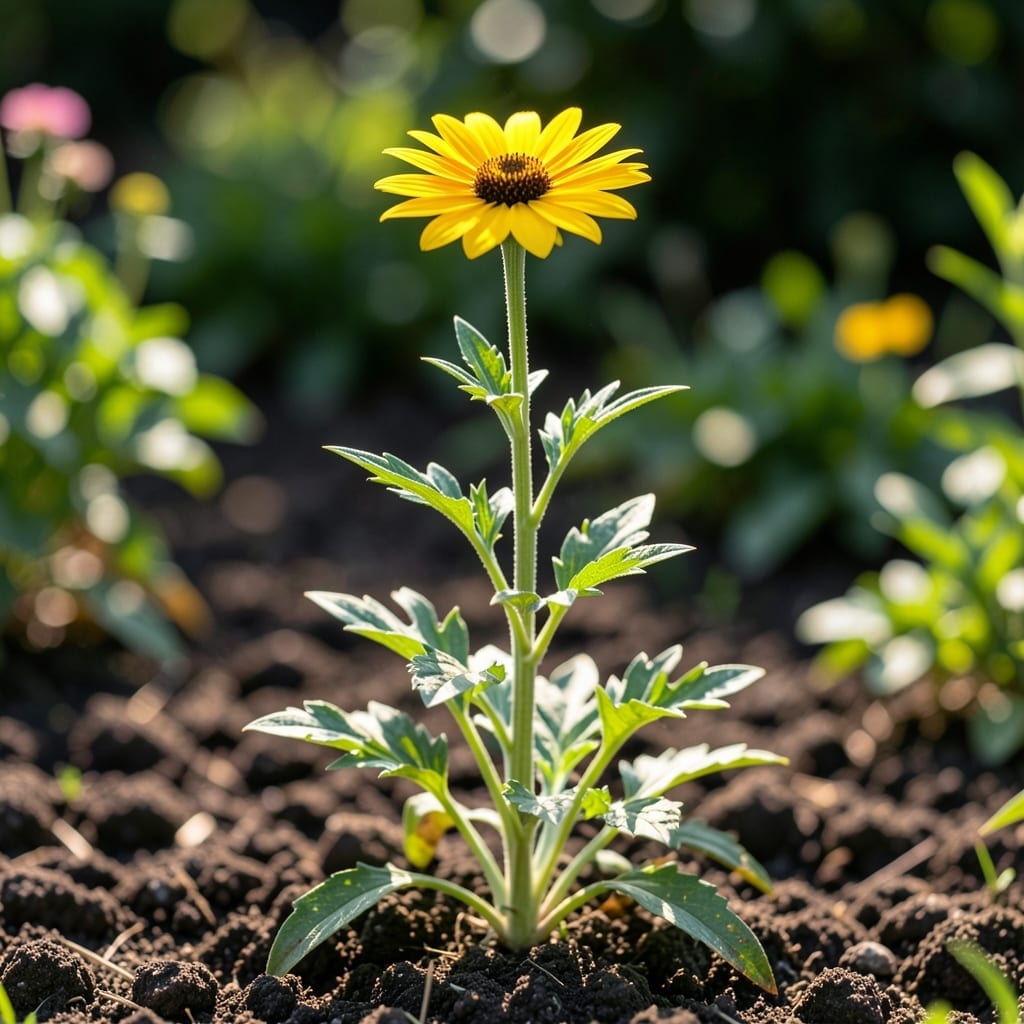
There’s something magical about watching Coreopsis 🌼 burst into vibrant color, turning any garden into a sunny paradise. But how long can you actually enjoy their dazzling display each year?
Unlike some finicky flowers, these cheerful perennials have a knack for sticking around. Yet their blooming period isn’t endless, and several factors can cut it short or extend the show.
I’ve learned through trial and error that with the right care, you can maximize their flowering potential. Whether you’re a seasoned gardener or just starting out, understanding their timeline is the key.
Discover how to keep your Coreopsis blooming longer and brighter, from spring’s first warmth through summer’s peak and beyond.
If you’ve ever wondered how long coreopsis bloom, you’re in luck—these vibrant perennials typically flower from early summer through fall, often lasting 2-3 months or more with proper care. The exact timeline depends on the variety and your growing conditions.
For example, annual coreopsis like Coreopsis tinctoria may bloom for 1 season, while perennial types such as Coreopsis grandiflora can flower for 4-5 months if deadheaded regularly and given full sun.
| Variety | Bloom Start | Bloom End |
|---|---|---|
| Grandiflora | Early Summer | Late Fall |
| Tinctoria | Mid Summer | First Frost |
| Verticillata | Late Spring | Early Fall |
| Lanceolata | Early Summer | Late Summer |
In my experience, deadheading is the #1 trick to extend blooming. Removing spent flowers encourages the plant to produce more, often adding 4-6 weeks to the flowering period. It’s a simple task that makes a huge difference.
Another key factor is sunlight exposure. Coreopsis thrive in full sun (at least 6-8 hours daily). In shadier spots, blooms may be sparser and the flowering window shorter. I always recommend planting them where they’ll get plenty of light.
Watering habits also play a role. While these plants are drought-tolerant once established, consistent moisture during the growing season helps maintain steady blooming. Aim for 1 inch of water per week, either from rain or irrigation.
Soil quality matters too. Coreopsis prefer well-draining soil and aren’t particularly fussy about fertility. In fact, too-rich soil can lead to more foliage and fewer flowers, which is the opposite of what we want!
For gardeners in cooler climates (USDA zones 5-6), blooming might start a bit later but can last until the first hard frost. In warmer zones (7-9), you might see blooms as early as late spring.
If you’re growing dwarf varieties, don’t expect them to bloom as long as their taller cousins. Their compact size often means a shorter flowering period, typically 6-8 weeks compared to the 12-16 weeks of standard types.
Finally, remember that first-year plants may have a shorter bloom time as they establish themselves. By the second year, you’ll typically see the full flowering potential of your coreopsis. This patience is always rewarded with more abundant blooms 🌼
I love how coreopsis brighten up my garden with their sunny yellow blooms. To keep them flowering longer, I focus on consistent care and smart techniques.
These cheerful perennials typically bloom from early summer to fall, but with the right approach, you can stretch their season even further. The key is understanding their needs and acting proactively. ✂️
I find that deadheading is the most effective way to keep coreopsis blooming. By removing spent flowers, I signal the plant to produce more instead of setting seed.
For watering, I stick to a weekly deep soak rather than frequent light watering. This encourages deep root growth, making the plants more resilient during dry spells.
A light application of balanced fertilizer in early spring gives my coreopsis the nutrients they need. I avoid over-fertilizing, as this can lead to more foliage and fewer flowers.
When I notice the first flush of blooms fading, I prune back the stems by about one-third. This often triggers a second wave of flowering, extending the season well into fall. ☀️
Finally, I always ensure my coreopsis get full sun. Without adequate light, they’ll produce fewer blooms and may stop flowering earlier than expected. 🌻