
Beautiful Plants For Your Interior
Beautiful Plants For Your Interior
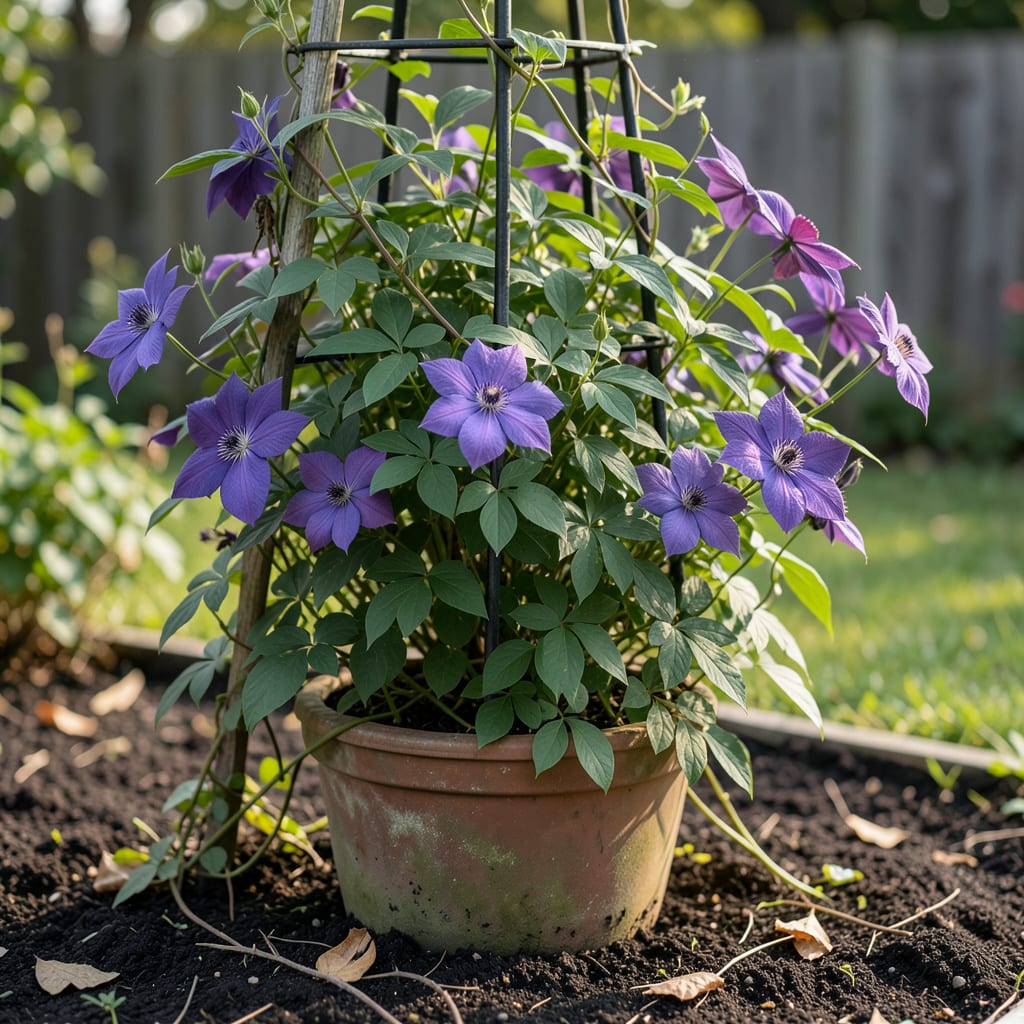
Clematis 🌼 are among the most rewarding flowering vines for gardeners, but understanding their blooming patterns is key to maximizing their beauty throughout the growing season in USDA Zone 6.
I’ve discovered that knowing how to care for these beautiful vines can make all the difference in their flowering duration. Let’s explore what affects their blooming time and how to extend their flowering season.
Clematis are among the most rewarding flowering vines for gardeners, offering beautiful blooms that can last for several weeks to a few months. Understanding their blooming patterns is key to maximizing their beauty throughout the growing season 🌼.
The blooming duration of clematis depends on several factors, including the variety, climate, and care practices. Generally, clematis plants bloom for 4-6 weeks on average, but some varieties can flower for longer periods.
Different clematis varieties have distinct blooming periods. Some popular types include early-blooming, mid-season blooming, and late-blooming varieties. Early-blooming clematis typically flower in spring, while late-blooming types may flower in summer or fall.
The climate and care practices also play a significant role in determining the blooming duration of clematis. Providing adequate sunlight, water, and fertilization can help promote healthy growth and longer blooming periods.
In my experience, understanding the specific needs of your clematis variety is crucial for maximizing its blooming potential. By providing the right conditions and care, you can enjoy beautiful blooms for an extended period 🌿.
Clematis plants generally require full sun to partial shade and well-draining soil to thrive. Ensuring these conditions are met can help support a longer blooming season.
To further extend the blooming season, gardeners can employ various techniques such as pruning, deadheading, and fertilizing their clematis plants. These practices can help promote new growth and encourage more blooms.
By combining different clematis varieties and employing proper care techniques, gardeners can enjoy a continuous display of blooms throughout the growing season 🌻.
In summary, while clematis typically bloom for 4-6 weeks, the actual blooming duration can vary significantly based on factors like variety, climate, and care. By understanding these factors and providing optimal conditions, gardeners can maximize their clematis blooms.
For gardeners in USDA Zone 6, clematis can be a rewarding addition to the garden, providing beautiful blooms from spring to fall. With proper care and attention, these plants can thrive and provide a stunning display of color throughout the growing season.
To maximize your clematis blooming season, it’s essential to understand the factors that influence their flowering duration. By implementing proper care techniques, you can enjoy beautiful blooms for an extended period 🌼.
One of the most effective ways to extend the blooming season is through pruning. Pruning clematis at the right time can encourage new growth and promote more blooms. The timing of pruning depends on the variety of clematis you have.
Ensure your clematis receives adequate sunlight (at least 6 hours of direct sunlight) to promote healthy growth and blooming.
Feed your clematis with a balanced fertilizer during the growing season to promote healthy growth and blooming.
Keep the soil consistently moist, but not waterlogged, to support healthy growth and blooming.
In addition to these techniques, deadheading can also help extend the blooming season. Removing spent flowers can encourage the plant to produce more blooms.
By implementing these expert tips, you can enjoy a longer and more vibrant clematis blooming season 🌻.
It’s also important to note that different clematis varieties have different blooming periods. By selecting a mix of early, mid-season, and late-blooming varieties, you can enjoy a continuous display of blooms throughout the growing season.
With proper care and attention, clematis can be a stunning addition to any garden, providing beautiful blooms from spring to fall.
To achieve a continuous display of clematis blooms throughout the growing season, it’s essential to select a mix of varieties with different blooming periods 🌼.
By combining early, mid-season, and late-blooming clematis, you can enjoy a prolonged flowering season that spans several months.
Some popular early-blooming clematis varieties include ‘Montana’ and ‘Armandii’, which produce beautiful flowers in shades of pink and white 🌸.
Mid-season bloomers like ‘Nelly Moser’ and ‘Henryi’ offer a range of colors, from pastel pinks to pure whites.
Late-blooming varieties such as ‘Jackmanii’ and ‘Ville de Lyon’ provide vibrant colors in late summer and early fall, adding a pop of color to your garden 🌻.
By incorporating a mix of these varieties into your garden, you can enjoy a continuous display of clematis blooms throughout the growing season.
When selecting clematis varieties, consider factors like climate, soil type, and sunlight requirements to ensure optimal growth and blooming.
With proper care and attention, your clematis plants will thrive and provide a stunning display of color throughout the growing season 🌼.
Clematis plants usually bloom for 4-6 weeks on average, but some varieties can flower for longer periods. The blooming duration depends on factors like variety, climate, and care practices. Proper care can help extend the blooming season.
The blooming duration of clematis is influenced by variety, climate, and care practices. Providing adequate sunlight, water, and fertilization can help promote healthy growth and longer blooming periods. Different varieties have distinct blooming periods.
Yes, you can extend the clematis blooming season by implementing proper care techniques such as pruning, fertilizing, and deadheading. These practices can help promote new growth and encourage more blooms, resulting in a longer and more vibrant blooming season.
To achieve a continuous display of clematis blooms, select a mix of early, mid-season, and late-blooming varieties. This combination can provide a prolonged flowering season that spans several months. Consider factors like climate, soil type, and sunlight requirements when selecting varieties.
