
Beautiful Plants For Your Interior
Beautiful Plants For Your Interior
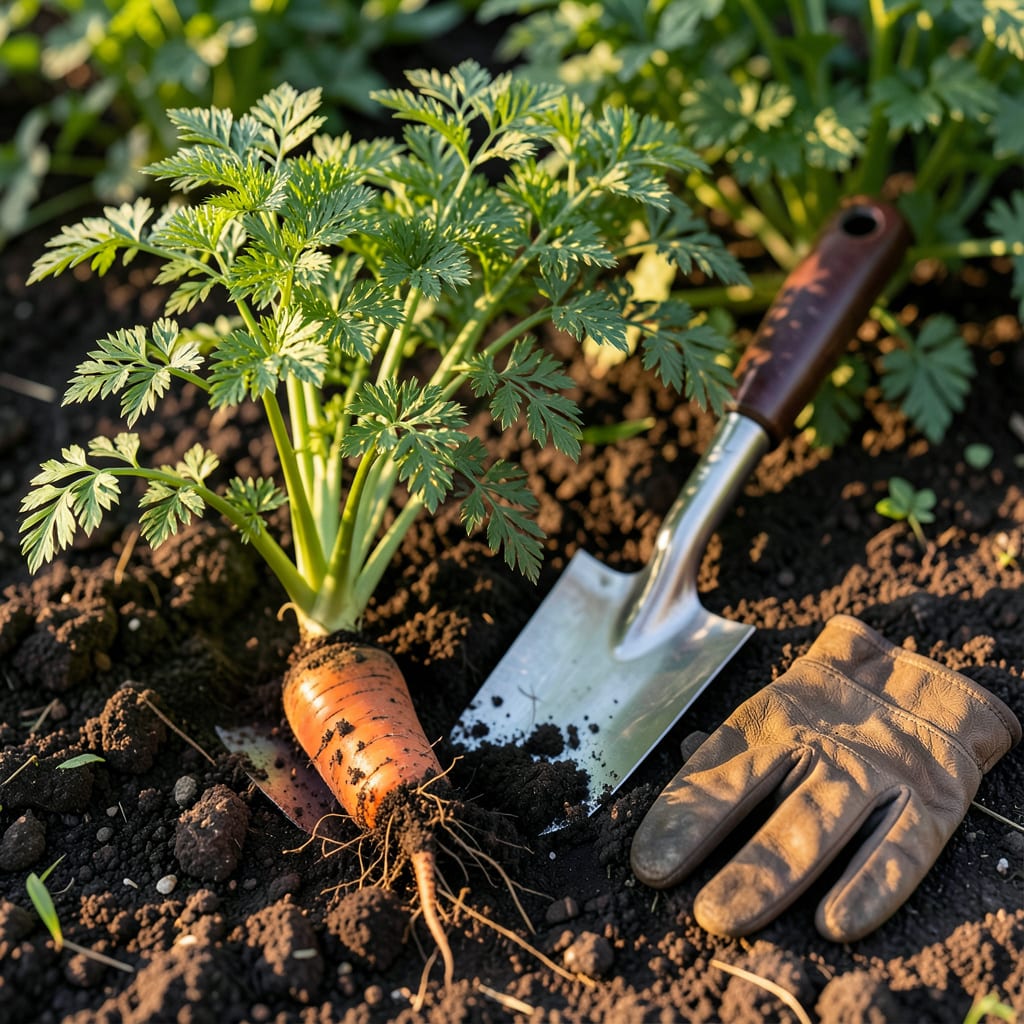
Patience is the key when growing Carrots, but knowing their harvest timeline makes the wait worthwhile. The 🥕 vegetable’s growth duration varies significantly by type.
From quick-maturing varieties ready in 50 days to heirlooms taking 100 days, I’ll help you understand these differences. Let’s explore what affects your Carrot’s journey from seed to harvest.


If you’re eager to enjoy homegrown carrots, choosing the right variety can significantly shorten your wait. Early-maturing types like Paris Market are ready in as little as 50 days, perfect for quick results.
For those willing to wait a bit longer, mid-season varieties such as Nantes typically take 60-70 days to reach their peak. These are often the most popular for their balance of speed and flavor.
| Variety | Days to Harvest | Notes |
|---|---|---|
| Paris Market | 50-60 | Round shape, great for containers |
| Nantes | 60-70 | Sweet, crunchy, classic carrot |
| Danvers | 70-80 | Long roots, good for heavy soil |
| Chantenay | 80-100 | Thick roots, stores well |
On the other end of the spectrum, late-maturing varieties like Chantenay can take up to 100 days. These are ideal if you’re planning for storage or want larger roots.
I’ve found that Danvers carrots strike a great middle ground with a 70-80 day timeline. They’re versatile and perform well in various soil types, making them a favorite among gardeners.
Baby carrots are another quick option, often ready in 30-50 days. These are perfect for succession planting, ensuring a continuous supply throughout the growing season.
Remember, these timelines are based on ideal growing conditions. Cooler temperatures can slow growth, while consistent warmth and moisture will help your carrots mature faster.
For the best results, I recommend starting with a mix of varieties. This way, you’ll have early harvests to enjoy while waiting for the longer-maturing types to reach their full potential.
Don’t forget that soil preparation is key. Carrots need loose, well-draining soil to grow straight and long. Compacted soil can stunt their growth and lead to misshapen roots.
Finally, keep track of your planting dates. Marking your calendar with the expected harvest window for each variety will help you plan and avoid missing the perfect picking time.
With the right varieties and care, you’ll be pulling up fresh, crunchy carrots in no time 🌱
While variety selection sets the baseline, several environmental factors can speed up or slow down your carrot’s growth. I’ve found that soil temperature is one of the most critical elements to monitor closely.
Carrots prefer soil temperatures between 60-65°F for optimal growth. Cooler soils below 50°F can significantly delay germination and slow overall development.
Moisture levels also play a huge role. I maintain consistent moisture without waterlogging, aiming for about 1 inch per week. Too little water causes stunted growth, while too much can lead to rot.
Sunlight exposure directly impacts growth speed. Carrots need 6+ hours of direct sunlight daily. In my experience, those grown in partial shade often take 10-15 days longer to mature than their sun-drenched counterparts.
Planting depth matters more than many realize. I always sow seeds at a ¼ inch depth. Planting too deep can delay germination, while shallow planting risks seeds drying out or being washed away.
Lastly, soil quality can’t be overlooked. Carrots need loose, well-draining soil to grow straight. I always amend my beds with compost to ensure the soil isn’t compacted, which can stunt root development.
By controlling these factors, you can optimize your carrot growth timeline and enjoy a bountiful harvest 🌱
Knowing the exact harvest time for carrots can be tricky, but there are clear visual signs to watch for. The shoulder diameter at the soil line is a key indicator.
When the top of the carrot reaches 0.75-1 inch wide, it’s typically ready. The foliage height and vibrant color also signal maturity in most varieties.
🌱 Pro Tip:
Check the days-to-maturity for your specific variety, but also look for thick roots and healthy green leaves as confirmation.
I always recommend gently brushing soil away from the carrot crown to check its size. If it’s still pencil-thin, give it more time to grow.
A firm texture when lightly squeezed through the soil is another good sign. Avoid harvesting if the color appears pale or the leaves look stunted.
Baby carrots can be picked earlier, around 30 days, while storage varieties may need the full 100 days. Consistency in size across the row often means they’re ready.
With these signs, you’ll never miss the perfect harvest window again ✂️
Yes, you can pick carrots early as baby carrots in as little as 30 days. They’ll be smaller and sweeter but perfectly edible. Just ensure they’ve developed some thickness.
Overmature carrots can become woody or tough. In warm climates, they may also split or bolt to seed. Harvest before extreme heat sets in for best quality.
Carrots prefer cool weather between 60-65°F. Temperatures above 75°F can slow growth and affect flavor, making them bitter.
Slow growth often results from cold soil, poor drainage, or overcrowding. Thin seedlings to 2 inches apart and ensure soil stays loose and warm.
