
Beautiful Plants For Your Interior
Beautiful Plants For Your Interior
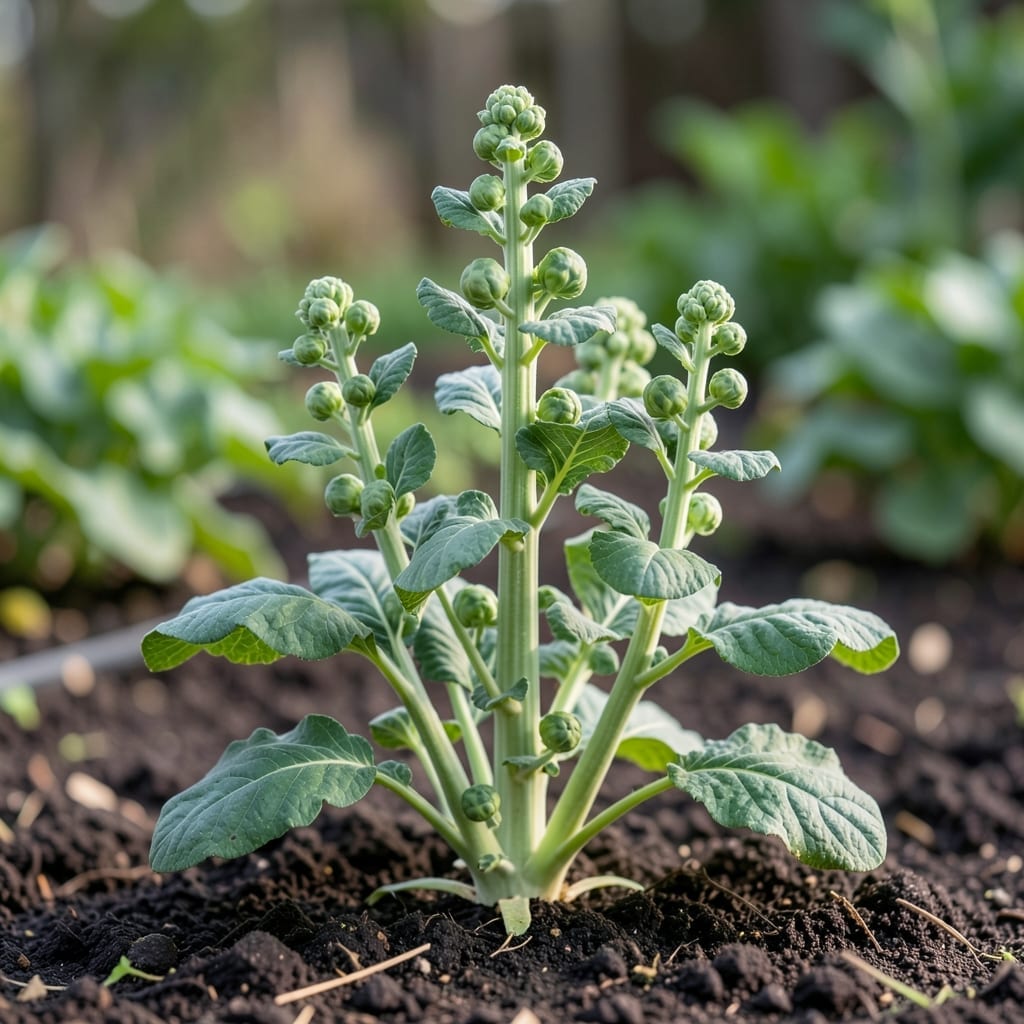
If you’ve ever planted Brussels Sprouts 🥬 and wondered when you’d see results, you’re not alone. This cool-season crop tests even the most patient gardeners with its longer timeline.
From the moment those first seeds go into the soil in zone 6a, you’re looking at a journey that spans months rather than weeks. It’s a commitment that pays off with a delicious harvest.
Let me walk you through what to expect from planting to harvest, so you can plan your garden with confidence and enjoy those homegrown sprouts at just the right time.


If you’re growing Brussels sprouts for the first time, the timeline might surprise you. This isn’t a quick crop like radishes or lettuce. Instead, it’s a slow and steady journey from seed to harvest.
From my experience, most varieties take 90 to 120 days to mature fully. That means you’ll need patience and consistent care to see those firm sprouts forming along the stalk.
| Stage | Timeframe | Key Milestone |
|---|---|---|
| Germination | 7-14 days | Seeds sprout indoors |
| Seedling | 4-6 weeks | Transplant outdoors after frost |
| Vegetative Growth | 60-80 days | Stalk reaches 2-3 ft tall |
| Maturation | 20-30 days | Sprouts form along stalk |
| Harvest | 90-120 days | 1-2 inch firm sprouts |
I always start my Brussels sprouts indoors 4-6 weeks before the last frost date. This gives the seedlings a strong start before they face the outdoor elements. Zone 6a gardeners know this timing is crucial.
Once transplanted, the plants focus on vegetative growth. You’ll see the stalk shooting up toward that 2-3 foot height. This phase is all about building the strong foundation for future sprouts.
The magic happens when the plant switches to sprout production. This typically starts around 80 days in. The sprouts form from the bottom up, so the lower ones mature first.
I’ve found that the first sprouts are usually ready about 10 days before the upper ones. This staggered maturity means you can harvest over time rather than all at once.
Watch for sprouts that are 1-2 inches in diameter and firm to touch. These are your harvest-ready indicators. Don’t rush it—patience here ensures the best flavor.
Remember, cool weather actually improves the taste. A light frost can make your sprouts sweeter, so don’t worry if temperatures dip. Just protect from hard freezes. 🌱
Throughout the season, maintain consistent watering and fertilize every 4-6 weeks with a balanced 10-10-10. This keeps your plants healthy and on track for that 100-day harvest goal. ☀️
While the 90-120 day timeline is standard, several factors can speed up or slow down your Brussels sprouts growth. I’ve seen firsthand how these variables make a difference in my garden.
The most significant factor is climate. These are cool-season plants that thrive in 60-65°F temperatures. In warmer zones, they may bolt early, while cooler areas extend their season. ☀️
Soil quality plays a huge role. I always amend my beds with compost before planting. This gives the roots the nutrients they need to support that tall stalk and numerous sprouts.
Variety selection is another game-changer. I’ve grown ‘Long Island Improved’ which matures in about 90 days, while ‘Waltham 29’ takes closer to 110 days. Check your seed packets carefully.
Timing your planting right is crucial. In zone 6a, I start seeds indoors in March for a spring plant-out or direct sow in July for a fall harvest. This timing avoids the heat of summer.
Consistent care makes a noticeable difference. I water deeply once a week and fertilize every 4-6 weeks with a balanced 10-10-10. This steady approach keeps growth on track. 🌱