
Beautiful Plants For Your Interior
Beautiful Plants For Your Interior
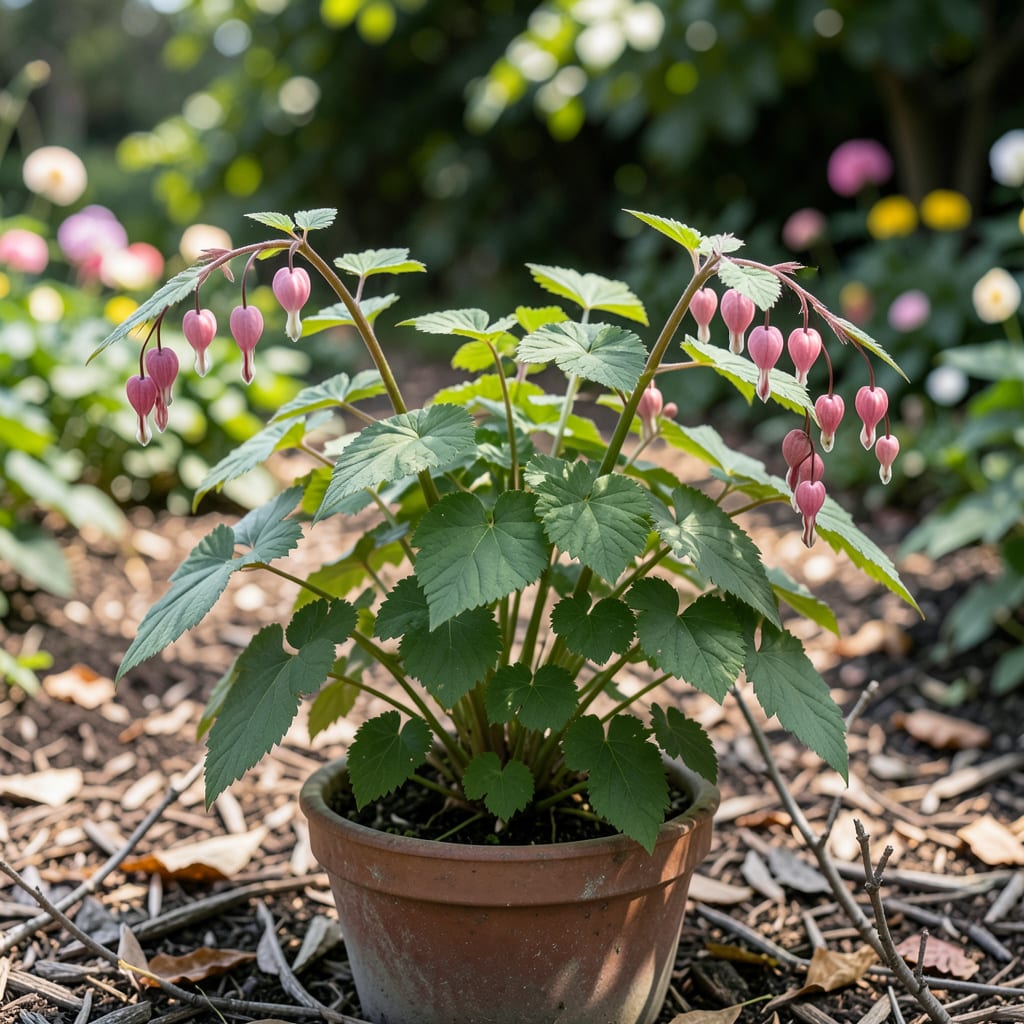
I’ve always been captivated by the delicate beauty of Bleeding Heart 💔 flowers that add a touch of romance to any shade garden. Their heart-shaped blooms dangle elegantly from arching stems, creating a stunning display in spring and early summer.
If you’re wondering how long these lovely flowers last, you’re not alone – understanding their blooming cycle is key to making the most of their beauty in your USDA Zone 6 garden.
Bleeding hearts are a gardener’s delight with their delicate, heart-shaped flowers that add romance to any shade garden. Their blooming period typically lasts 6-8 weeks in spring and early summer.
The exact duration of their bloom can vary depending on factors such as weather conditions, soil quality, and proper care. In general, bleeding hearts bloom from late spring to early summer, with the peak blooming period usually occurring in May and June. 🌼
The blooming cycle of bleeding hearts is influenced by various factors, including temperature, moisture levels, and sunlight exposure. These plants thrive in cool, moist conditions with partial shade, which can help extend their blooming period.
To maximize the blooming duration, it’s essential to provide bleeding hearts with the right growing conditions. This includes planting them in well-draining soil rich in organic matter, maintaining consistent moisture, and protecting them from extreme temperatures. 💦
Understanding the blooming cycle of bleeding hearts can help gardeners make the most of their beautiful flowers and plan their garden accordingly. By providing the right care and conditions, gardeners can enjoy these lovely flowers for a longer period.
In addition to their blooming period, bleeding hearts also offer attractive foliage that can add interest to the garden even after the flowers have faded. The leaves are typically a fresh green color and have a delicate texture.
Overall, bleeding hearts are a charming addition to any shade garden, and with proper care, they can provide a beautiful display of flowers for several weeks in the spring.
By understanding the factors that affect their blooming duration and providing the right growing conditions, gardeners can enjoy these lovely flowers for a longer period and make the most of their beauty in the garden.
With their delicate, heart-shaped flowers and attractive foliage, bleeding hearts are a popular choice for gardeners looking to add some romance and elegance to their shade gardens.
Whether you’re a seasoned gardener or just starting out, bleeding hearts are definitely worth considering for their beauty and charm.
To maximize the blooming period of bleeding hearts, gardeners can employ several strategies. One effective method is deadheading, which involves removing spent flowers to encourage the plant to produce more blooms.
Proper care is also essential for extending the flowering season. This includes providing bleeding hearts with consistent moisture, partial shade, and well-draining soil rich in organic matter.
To keep your bleeding hearts healthy and thriving,
Companion planting is another technique that can help extend the flowering season of bleeding hearts. By planting them alongside other shade-loving plants that bloom at different times, gardeners can create a continuous display of flowers throughout the growing season.
In addition to these strategies, gardeners can also take steps to protect bleeding hearts from extreme temperatures and pests. This includes providing mulch around the base of the plants to retain moisture and regulate soil temperature.
By implementing these tips, gardeners can enjoy their bleeding hearts for a longer period and make the most of their beautiful flowers.
Regular maintenance, such as dividing and replanting every few years, can also help to maintain the health and vigor of bleeding hearts, ensuring they continue to bloom well.
With a little care and attention, bleeding hearts can be a long-lasting and beautiful addition to any shade garden.
After the bleeding hearts flowering season ends, proper care is essential to maintain plant health and ensure future blooms. The first step is to allow the foliage to die back naturally, which can take several weeks to a few months.
Leave the foliage intact until it turns yellow and withers, as it provides nutrients to the roots for next year’s bloom 🌿
Divide and replant every 3-4 years in early fall or after foliage dies back to maintain plant vigor 🔄
Apply a balanced fertilizer in early spring when new growth appears to support healthy development 🌸
By following these post-bloom care steps, gardeners can help ensure their bleeding hearts remain healthy and continue to produce beautiful flowers year after year.
Proper care after blooming is just as important as the care during the blooming period. It helps the plant conserve energy and resources for the next growing season.
Regular maintenance, including division and replanting, can help maintain the health and vigor of bleeding hearts, ensuring they continue to thrive in the garden 🌻
Bleeding hearts typically bloom for 6-8 weeks in spring and early summer, with the peak blooming period usually occurring in May and June. The exact duration can vary depending on weather conditions and proper care.
To extend the blooming season, employ techniques like deadheading to encourage more blooms, provide consistent moisture and partial shade, and use companion planting with other shade-loving plants that bloom at different times. Proper care and maintenance are key.
After blooming, allow the foliage to die back naturally, then consider dividing and replanting every 3-4 years in early fall. Apply a balanced fertilizer in early spring when new growth appears to support healthy development.
Yes, bleeding hearts can thrive in containers if provided with well-draining soil and partial shade. Water them weekly, and fertilize lightly in spring. Containers allow for better control over soil quality and moisture levels.
