
Beautiful Plants For Your Interior
Beautiful Plants For Your Interior
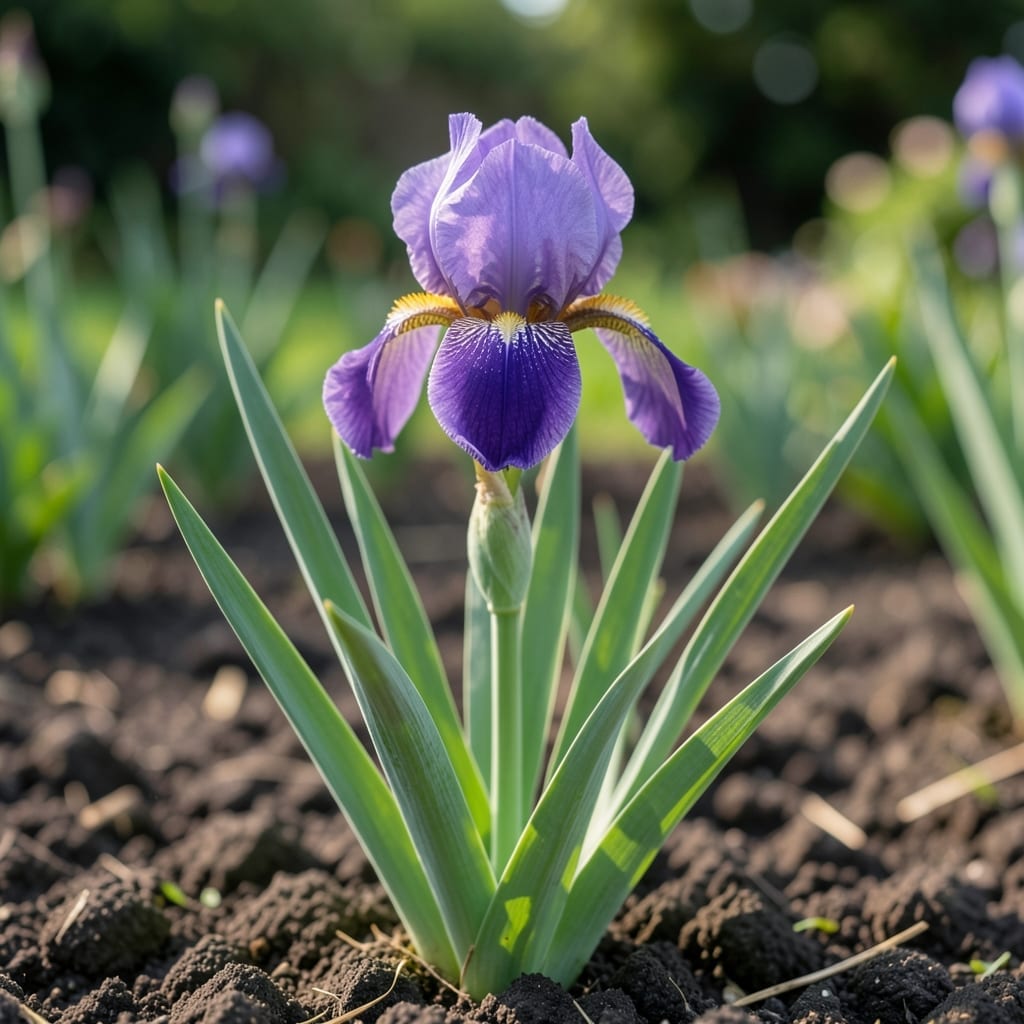
Bearded irises light up spring gardens with their striking colors and intricate patterns, but their fleeting beauty leaves many gardeners wondering just how long they’ll last.
The blooming period of these 🌸 Bearded Iris perennials varies by type, climate, and care. Some varieties grace your garden for just 5-8 days per stem.
What surprises most is how staggered blooms can extend the season. By planting early, mid, and late-season varieties, you can enjoy continuous color for weeks.
I’ll share the secrets to maximizing your Bearded Iris display, from smart planting strategies to the care practices that keep them thriving longer.
If you’ve ever marveled at bearded irises in full bloom, you know their stunning colors don’t last forever. Each flower stem typically produces 5-8 blooms that open sequentially.
What many don’t realize is that individual flowers usually last just 1-3 days, but the entire stem can bloom for 7-10 days as new buds open daily.
| Variety | Bloom Time | Duration |
|---|---|---|
| Dwarf | Early Spring | 5-7 days |
| Intermediate | Mid-Spring | 7-10 days |
| Tall | Late Spring | 8-12 days |
| Reblooming | Spring & Fall | 5-8 days each |
The blooming sequence is what makes these perennials so special. As one flower fades, another bud opens, creating a rolling display of color that can last weeks.
For maximum impact, plant early bloomers like ‘Purple Hill’ alongside late varieties such as ‘Immortality’. This staggered approach can extend your irises’ show for 4-6 weeks total.
I’ve found that climate plays a huge role too. In cooler zones like USDA 3-5, blooms may last 1-2 days longer per flower than in warmer areas where they wilt faster.
The rhizome’s health also affects duration. Well-established bearded irises with proper sunlight (6+ hours) and good drainage will produce stronger stems with more buds.
Remember that first-year plants often have shorter bloom periods. It takes time for new rhizomes to build up enough energy for full displays. Be patient! 🌱
For reblooming varieties, you might get a second flush in fall, though these autumn blooms are typically less abundant than the spring show.
To track your iris bloom times, I recommend keeping a garden journal. Note when first buds appear and when the last flower fades each year. 🌿
To keep your bearded irises flowering longer, I recommend planting multiple varieties with different bloom times. This simple trick can double your color display from a few weeks to a month or more.
Start with early bloomers like ‘Purple Hill’, then add mid-season varieties such as ‘Beverly Sills’, and finish with late bloomers like ‘Immortality’ for a continuous show.
I always deadhead spent blooms daily to prevent seed formation. This redirects the plant’s energy into producing more flowers rather than seeds, potentially extending your bloom season.
Another secret is proper division. Overcrowded iris clumps produce fewer blooms. I divide mine every 3-4 years in late summer, keeping only the healthiest rhizomes for replanting.
Don’t overlook growing conditions. Bearded irises thrive in well-draining soil and full sun. In my experience, plants in partial shade produce fewer blooms that don’t last as long.
For reblooming varieties, consistent moisture during summer helps them store energy for a second fall show. Just be sure to reduce watering after the first blooms fade to avoid rot.
With these strategies, I’ve managed to enjoy bearded iris blooms from early April through June in my Zone 6 garden. 🌷