
Beautiful Plants For Your Interior
Beautiful Plants For Your Interior
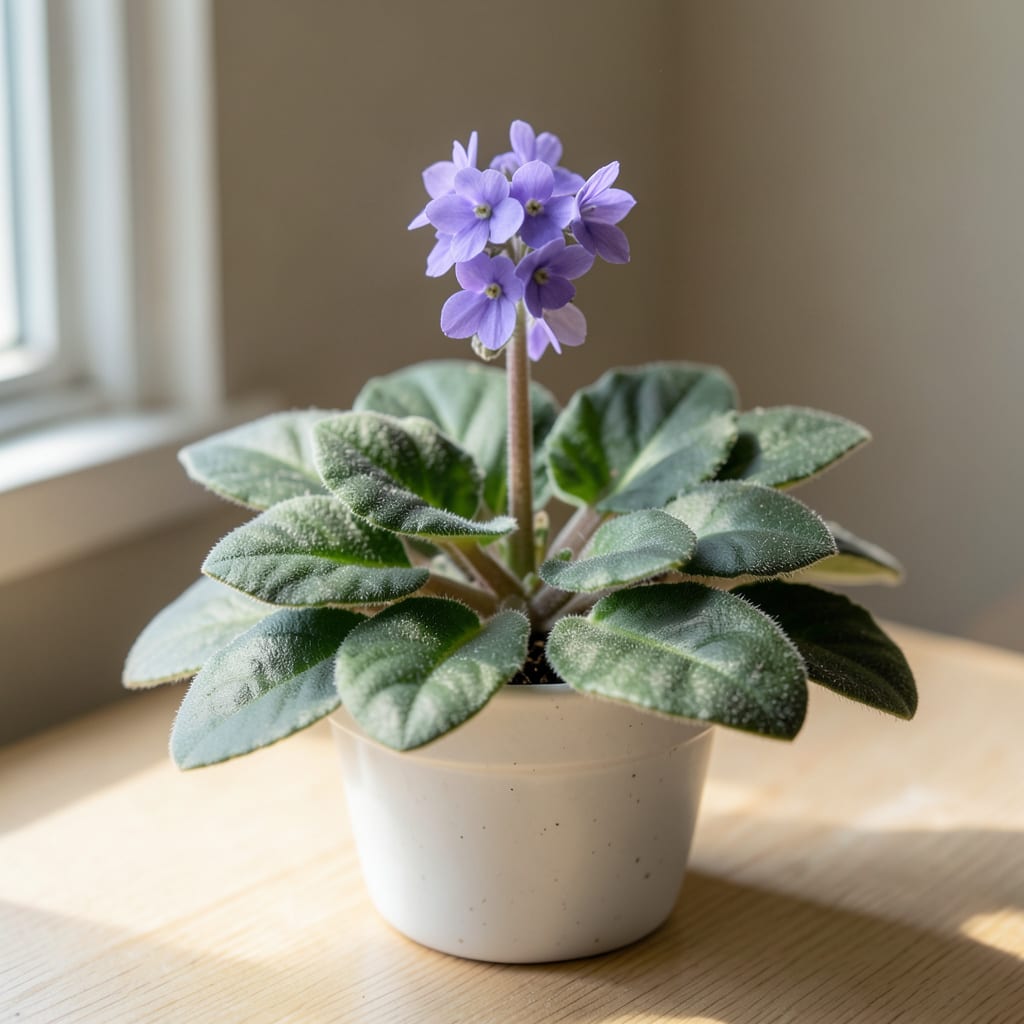
I’ve always been fascinated by the delicate beauty of African Violets 💜. These charming plants can bloom for a significant part of the year, but how long they bloom depends on several factors, including light, temperature, and care.
Understanding these factors is key to enjoying their vibrant flowers for as long as possible. Let’s explore what affects their blooming cycle and how you can encourage your African Violets to flower longer.
African Violets are known for their long blooming periods, but the exact duration depends on several factors. On average, these plants can bloom for several weeks to a few months with proper care. The blooming cycle typically follows a pattern where the plant produces flowers for a period, followed by a brief resting phase before blooming again 🌼.
The frequency and duration of blooms are influenced by factors such as light exposure, temperature, watering, and fertilization practices. By understanding and optimizing these conditions, you can encourage your African Violets to bloom more frequently and for longer periods 🌺.
Light exposure is one of the most critical factors affecting how long African Violets bloom. These plants thrive in bright, indirect light, typically requiring 4-6 hours of such light daily. Too little light can result in leggy growth and fewer blooms, while too much direct light can cause leaf scorch and reduce flowering 🌞.
Temperature also plays a significant role in the blooming cycle of African Violets. Maintaining a consistent temperature between 65-75°F (18-24°C) is ideal for encouraging continuous blooming. Avoid placing your plants near drafts, radiators, or air conditioning vents, as sudden temperature changes can stress the plant and shorten the blooming period ❄️.
Watering practices are another crucial aspect of African Violet care that impacts their blooming duration. It’s essential to water these plants when the soil feels dry to the touch, ensuring thorough watering until water drains out from the bottom of the pot. However, avoid overwatering, as this can lead to root rot and negatively affect blooming 💧.
Fertilization is vital for maintaining the health and blooming capacity of African Violets. Using a balanced fertilizer (20-20-20) every two weeks can provide the necessary nutrients for continuous flowering. Be sure to dilute the fertilizer to half the recommended strength to avoid burning the roots 🌱.
By carefully managing these factors, you can enjoy the beautiful blooms of your African Violets for a significant portion of the year. Regular monitoring and adjustments to their care routine will help maximize their blooming potential 🌼.
It’s also worth noting that different varieties of African Violets may have slightly different blooming characteristics. Some may bloom more profusely but for shorter periods, while others may have a more continuous but less abundant flowering pattern 🌺.
Deadheading is another practice that can encourage longer blooming periods. Removing spent flowers helps the plant direct its energy towards producing new blooms rather than seed production 💐.
In summary, understanding and managing the factors that influence the blooming cycle of African Violets can significantly extend their flowering periods. With proper care and attention, these charming plants can provide vibrant color and beauty to your indoor space for months 🌸.
By implementing these care strategies, you can enjoy a longer and more vibrant blooming period from your African Violets. Regular care and attention to their needs will ensure they continue to thrive and bloom beautifully 🌻.
To keep your African Violets blooming for as long as possible, it’s essential to provide them with optimal growing conditions. This includes maintaining the right balance of light, temperature, and watering 🌼.
One of the most effective ways to extend the blooming period is to ensure your plants receive adequate light. African Violets thrive in bright, indirect light, so placing them near an east- or west-facing window is ideal. Avoid direct sunlight, as it can cause the leaves to become scorched 🌞.
Keep your African Violets in a room with a consistent temperature between 65-75°F (18-24°C). Avoid placing them near drafts or extreme temperatures ❄️.
Water your African Violets when the soil feels dry to the touch. Use room-temperature water and avoid getting water on the leaves to prevent spotting 💧.
Use a balanced fertilizer (20-20-20) every two weeks. Dilute the fertilizer to half the recommended strength to avoid burning the roots 🌱.
In addition to these tips, deadheading can also help extend the blooming period. Removing spent flowers encourages the plant to produce new blooms rather than seeds 💐.
By following these expert tips, you can enjoy a longer and more vibrant blooming period from your African Violets. Regular care and attention to their needs will ensure they continue to thrive and bloom beautifully 🌻.
It’s also worth noting that different varieties of African Violets may have slightly different blooming characteristics. Some may bloom more profusely but for shorter periods, while others may have a more continuous but less abundant flowering pattern 🌺.
To maximize blooming, consider repotting your African Violets every 6-12 months. This gives them fresh soil and a larger pot if necessary, helping to maintain their health and encourage continuous flowering 🌿.
By implementing these strategies, you can enjoy the beautiful blooms of your African Violets for a significant portion of the year 🌸.
When caring for African Violets, it’s easy to make mistakes that can shorten their blooming period. One common error is overwatering, which can lead to root rot and reduce flowering. To avoid this, water your plants when the soil feels dry to the touch 💧.
Another mistake is exposing African Violets to direct sunlight, which can cause leaf scorch and reduce blooming. Instead, provide bright, indirect light by placing them near an east- or west-facing window 🌞.
Avoid common mistakes like overwatering, direct sunlight, and neglecting fertilization to keep your African Violets blooming longer.
Neglecting fertilization is another common mistake that can impact blooming. African Violets need regular feeding to produce blooms. Use a balanced fertilizer (20-20-20) every two weeks, diluted to half the recommended strength 🌱.
Temperature fluctuations can also affect blooming. Keep your African Violets in a room with a consistent temperature between 65-75°F (18-24°C). Avoid placing them near drafts, radiators, or air conditioning vents ❄️.
By avoiding these common mistakes, you can help ensure your African Violets bloom for a longer period. Regular care and attention to their needs will keep them thriving and flowering beautifully 🌼.
It’s also important to monitor your plants regularly for signs of stress or disease, which can impact blooming. Check for pests, yellowing leaves, or wilting, and address any issues promptly 🔍.
Repotting your African Violets every 6-12 months can also help maintain their health and encourage continuous flowering. This gives them fresh soil and a larger pot if necessary 🌿.
By following these guidelines and avoiding common mistakes, you can enjoy the beautiful blooms of your African Violets for a significant portion of the year 🌸.
With proper care, African Violets can bloom for several weeks to a few months at a time. Their blooming cycle typically follows a pattern of flowering for a period, followed by a brief resting phase before blooming again .
The blooming duration is influenced by factors such as light exposure, temperature, watering, and fertilization practices. Optimizing these conditions can encourage more frequent and longer blooming periods .
To extend the blooming period, ensure your plants receive adequate light, maintain optimal temperatures between 65-75°F (18-24°C), water correctly, and fertilize regularly with a balanced fertilizer (20-20-20) every two weeks .
Common mistakes include overwatering, exposing plants to direct sunlight, neglecting fertilization, and temperature fluctuations. Avoiding these errors can help ensure longer blooming periods .
