
Beautiful Plants For Your Interior
Beautiful Plants For Your Interior
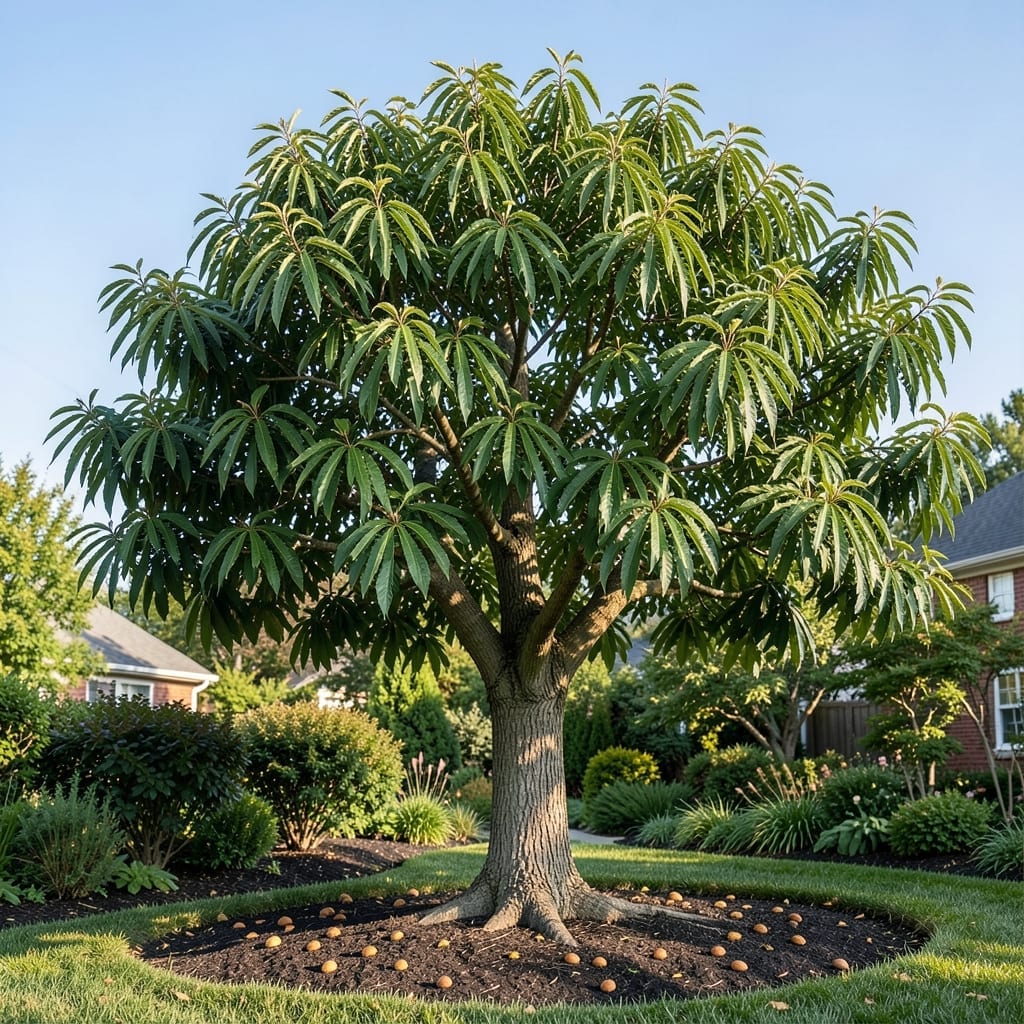
Pecan trees are a long-term investment for any garden or orchard, offering shade, beauty, and a bountiful harvest—if you’re willing to wait. Understanding their production timeline is key to setting realistic expectations.
I’ve seen many gardeners plant a 🌳 Pecan Tree expecting quick results, only to be surprised by the reality. These majestic trees follow their own schedule, and rushing them rarely works. Patience truly is a virtue here.
Let me walk you through what to expect and how to encourage your tree to produce sooner. The wait is worth it when you finally taste those homegrown pecans.
If you’re planting a pecan tree, set your expectations for a long-term commitment. These trees don’t produce nuts overnight, but the wait is rewarding.
Most pecan trees take 6 to 10 years to bear their first nuts, depending on the variety and growing conditions. Grafted trees often start sooner, while seedling trees may take longer.
| Stage | Timeline |
|---|---|
| Seedling Establishment | 1-2 years |
| Early Growth | 3-5 years |
| First Nut Production | 6-10 years |
| Full Maturity | 15+ years |
I’ve learned that grafted pecan trees are the way to go if you want nuts sooner. They’re cloned from productive parents, so they skip the juvenile phase of seedling trees.
For seedling trees, the wait is longer because they grow from scratch. You might not see nuts for 10 to 15 years, but they can live and produce for centuries.
Climate plays a big role too. Pecan trees thrive in USDA zones 6-9, where warm summers and mild winters support their growth. Colder climates can delay production.
Soil quality is another factor. Pecan trees need well-draining, fertile soil to grow strong. Poor soil can stunt their growth and push back your first harvest by years.
Watering is critical, especially in the first few years. A deep watering schedule helps the tree establish roots, which is essential for future nut production.
Pruning can also impact your timeline. Proper pruning in the early years shapes the tree and encourages strong branch growth, which supports nut production later.
Finally, don’t forget about pollination. Most pecan trees need a pollinator tree nearby to set nuts, so planting just one tree might leave you waiting indefinitely.
With the right care and a little patience, your pecan tree will reward you with a lifetime of harvests. The key is to stay consistent and let nature take its course. 🌳
I’ve found that several critical factors influence how quickly your pecan tree starts producing. Getting these right can shave years off your wait time.
From my experience, soil quality tops the list. Pecan trees thrive in deep, well-draining soil with a slightly acidic pH between 6.0 and 7.0.
Watering consistency is another game-changer. Young trees need deep watering weekly to establish strong roots. Drought stress can delay production significantly.
Sunlight exposure matters more than many realize. Pecan trees demand full sun—at least 6 hours daily. Shaded trees grow slower and produce later, if at all.
Your climate zone plays a huge role. Pecans prefer USDA zones 6-9, where warm summers and mild winters support their growth cycle. Colder areas may need extra protection.
Finally, the tree type you choose makes a difference. Grafted trees typically bear nuts in 6-8 years, while seedling trees can take 10-15 years or more.
I always recommend testing your soil before planting and amending it as needed. A little preparation can save you years of waiting for that first harvest. 🌳