
Beautiful Plants For Your Interior
Beautiful Plants For Your Interior
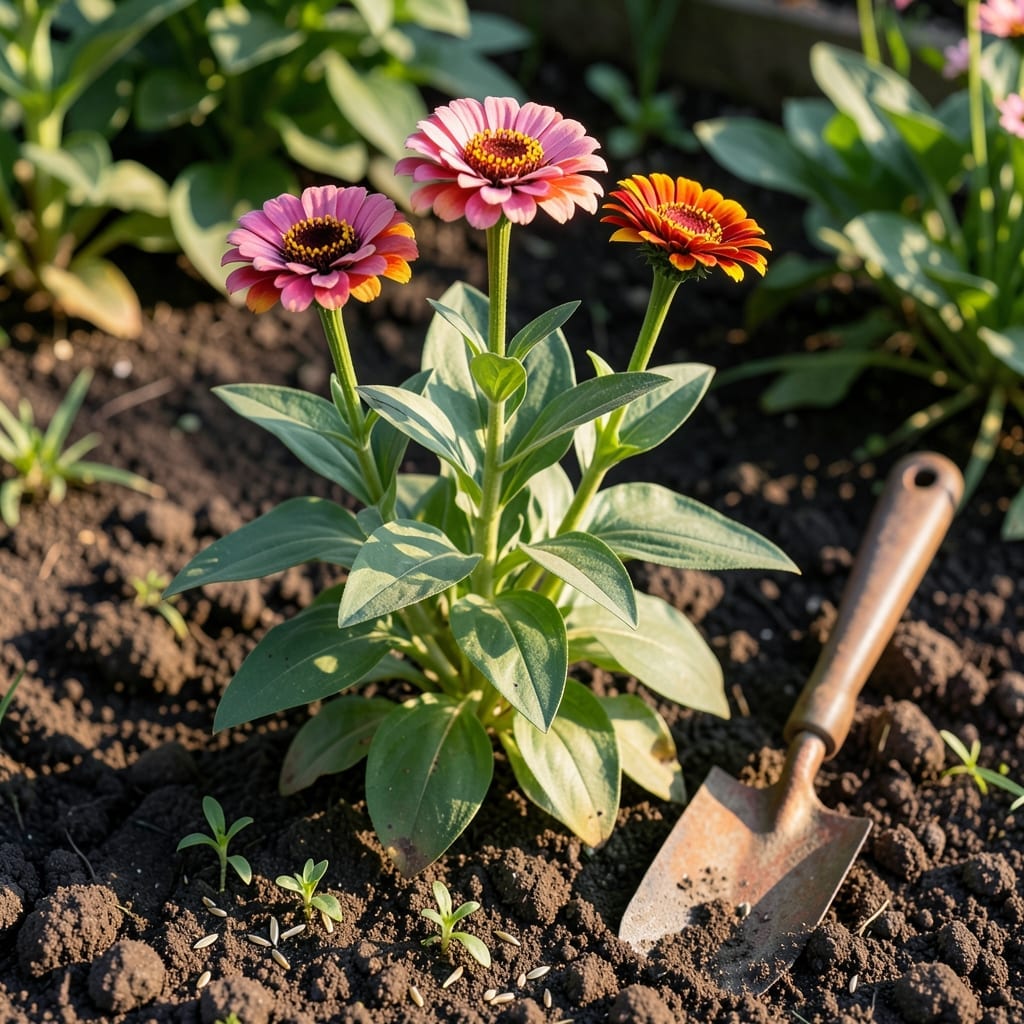
Think it’s too late to plant zinnias for summer color? Think again—these resilient flowers can thrive with the right timing and care, even when planted later in the season.
I’ve successfully grown 🌼 Zinnia blooms well into summer by focusing on soil warmth and frost-free days. The key is knowing your region’s last safe planting window.
Discover how to calculate the perfect late-planting date and give your zinnias the best chance to flourish before autumn arrives.

I’ve found that zinnias can be planted surprisingly late and still produce vibrant summer blooms. The secret lies in understanding your local climate and frost dates to time it right.
For most regions, you can plant zinnias up to 6-8 weeks before the first fall frost. In warmer zones, this might mean sowing seeds as late as mid-July for late-summer color.
| Region | Last Planting Date | Frost-Free Days Needed |
|---|---|---|
| USDA Zone 3-4 | Early June | 60-70 days |
| USDA Zone 5-6 | Mid-June | 70-80 days |
| USDA Zone 7-8 | Late July | 80-90 days |
In cooler climates like Zone 3-4, I recommend planting by early June to ensure zinnias mature before the first frost. These areas have shorter growing seasons, so timing is critical.
For Zone 5-6 gardeners, mid-June is often the last safe window. This gives zinnias enough time to establish roots and produce flowers before cooler temperatures arrive.
In warmer zones like 7-8, you can push planting to late July. The extended growing season allows zinnias to thrive even when sown later in summer.
Soil temperature is another key factor. Zinnias need soil at least 60°F to germinate. I always check with a soil thermometer before planting.
If you’re planting late, choose fast-maturing varieties like ‘Zahara’ or ‘Profusion’. These can go from seed to bloom in as little as 60 days, perfect for late starts.
Remember that microclimates in your garden can affect timing. A south-facing bed warms up faster than a shaded spot, so adjust your planting date accordingly.
Finally, keep an eye on the weather forecast. If an unexpected late frost is predicted, I protect young zinnia plants with row covers or cloches to extend their growing time. 🌼
I’ve had great success with late-season zinnia planting by using these proven strategies. The key is giving your plants the best possible start to accelerate growth and beat the clock.
First, I always pre-warm the soil with black plastic or landscape fabric for 1-2 weeks before planting. This boosts soil temperature to the 60°F minimum zinnias need for germination.
I recommend starting seeds indoors in peat pots 2-3 weeks before your late planting date. This gives seedlings a protected start while outdoor conditions stabilize.
Transplants from a nursery are another great option. Look for stocky, healthy plants with no flowers yet. These will establish faster than seeds in late plantings.
For watering, I increase frequency to every 2-3 days for the first month after late planting. The consistent moisture helps roots establish quickly in warm soil.
A light fertilizer at planting (I use 5-10-10) gives zinnias an extra boost. Avoid heavy feeding early on, as it can delay flowering in late-planted specimens.
Finally, I mulch heavily with straw or shredded leaves to retain soil warmth and moisture. This simple step can make a big difference in late-season success. 🌼