
Beautiful Plants For Your Interior
Beautiful Plants For Your Interior
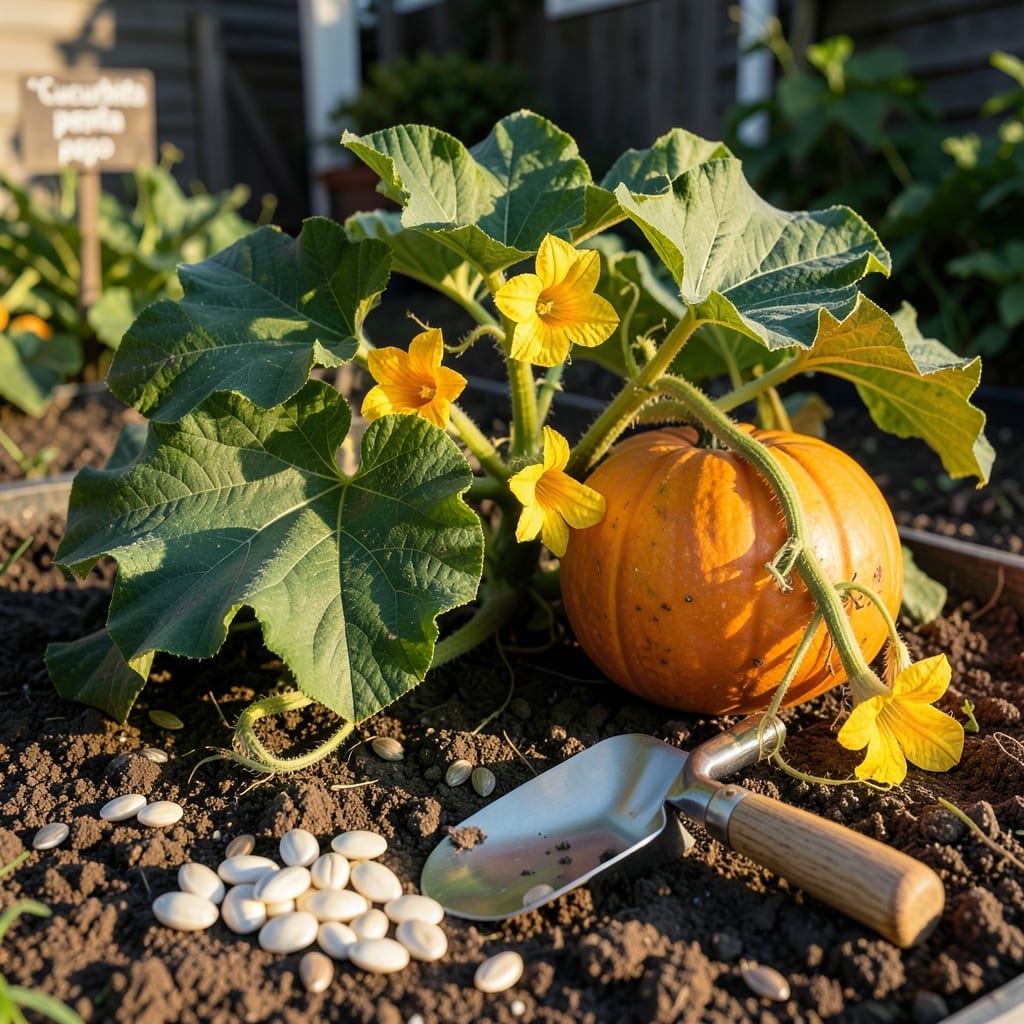
Thinking it’s too late to grow pumpkins 🎃 this season? Think again. With the right timing and techniques, you can still plant seeds and enjoy a bountiful fall harvest.
I’ve learned that even in Zone 6, there’s still time to get pumpkins in the ground. The key is knowing exactly when to start and how to give your plants the best chance.
Discover how to maximize your growing window and pick the perfect varieties for late planting. Your autumn pumpkin patch is still within reach.


Timing is everything when planting pumpkin seeds late in the season. I always check my USDA hardiness zone first to determine the latest safe planting date before the first frost hits.
The general rule is to plant seeds 90-120 days before your expected first frost. For most gardeners, this means getting seeds in the ground by mid to late summer for a fall harvest.
| Hardiness Zone | Latest Planting Date | Days to Maturity |
|---|---|---|
| Zones 1-3 | May 15 – June 1 | 75-90 days |
| Zones 4-5 | June 1 – June 15 | 80-100 days |
| Zones 6-7 | June 15 – July 1 | 90-110 days |
| Zones 8-9 | July 1 – July 15 | 100-120 days |
| Zones 10-11 | July 15 – August 1 | 110-120 days |
In Zone 6, where I garden, the sweet spot is typically around July 1st. This gives my pumpkins enough time to mature before our first frost arrives in mid-October.
For warmer climates like Zones 8-9, you can plant as late as mid-July. The longer growing season allows for more flexibility with planting dates.
Remember that soil temperature is crucial. Pumpkin seeds need soil that’s at least 60°F to germinate properly. I always use a soil thermometer to check conditions.
If you’re pushing the planting date, consider using black plastic mulch to warm the soil faster. This trick can give you an extra week or two of growing time.
Also, pay attention to your local microclimate. Urban areas, south-facing slopes, and spots near buildings often stay warmer longer, extending your growing window.
Finally, keep an eye on the weather forecast. If an early frost is predicted, you might need to protect young plants with row covers or other frost protection methods.
With proper planning, even late-planted pumpkins can thrive and produce a beautiful fall harvest 🎃
When time is limited, choosing the right pumpkin variety can make all the difference. I focus on fast-maturing types that can go from seed to harvest in 75-100 days.
These varieties are perfect for late planting because they develop quickly and still produce full-sized pumpkins before the first frost hits your area.
| Variety | Days to Maturity | Average Size |
|---|---|---|
| Jack Be Little | 85-95 | 3-4 inches |
| Small Sugar | 100 | 6-8 pounds |
| Early Giant | 90-100 | 15-20 pounds |
| Autumn Gold | 90 | 7-10 pounds |
Jack Be Little is my go-to for late planting because it matures in just 85-95 days. These adorable mini pumpkins are perfect for decorating and fit well in smaller garden spaces.
For a classic pie pumpkin, Small Sugar is an excellent choice. It’s ready in about 100 days and produces sweet, flavorful flesh ideal for all your fall recipes.
If you want something larger, Early Giant can produce 15-20 pound pumpkins in just 90-100 days. This variety gives you impressive size without the long wait.
Autumn Gold is another favorite, maturing in 90 days with bright orange fruit. Its bush-type vines are more compact, making it great for gardeners with limited space.
With these varieties, even late planting can yield a fantastic fall pumpkin harvest 🎃