
Beautiful Plants For Your Interior
Beautiful Plants For Your Interior
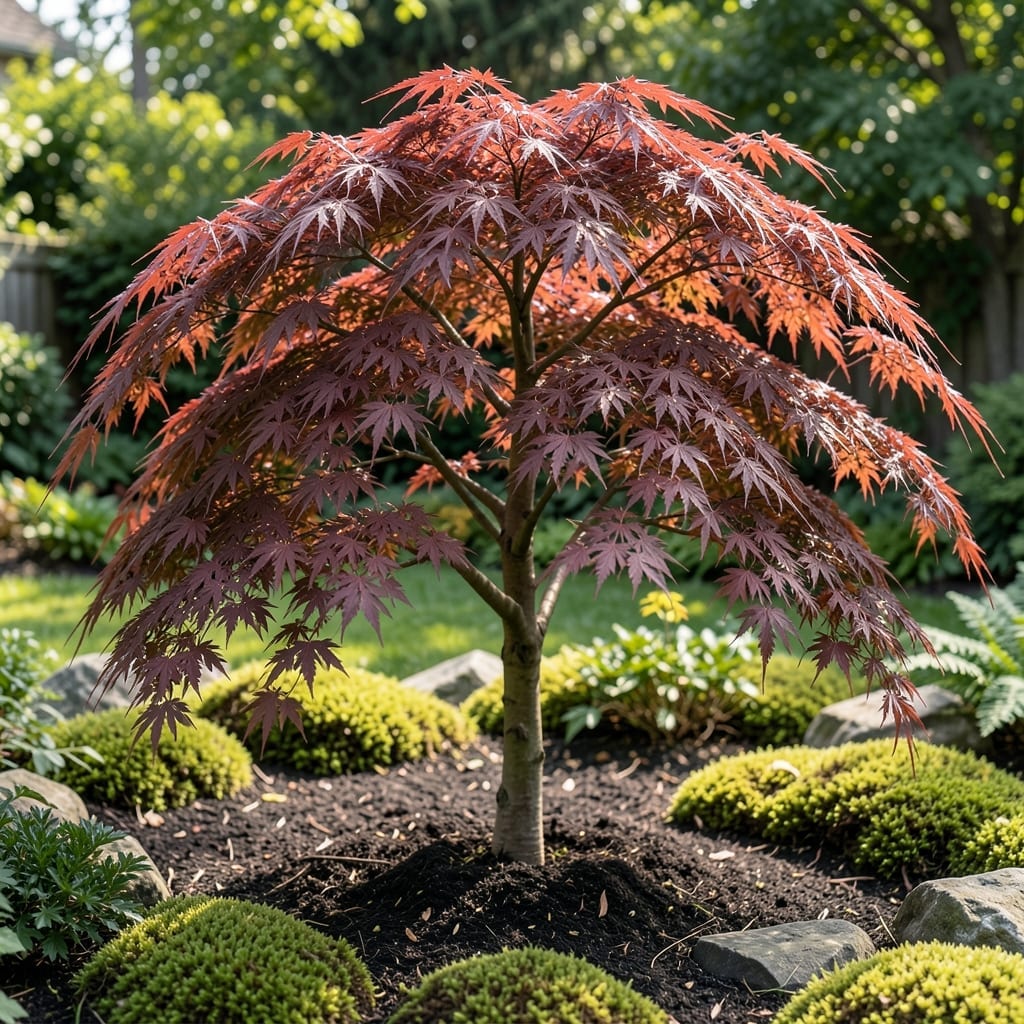
Japanese maples 🌳 are prized for their stunning foliage and elegant forms, but their size at maturity can vary dramatically by variety. Whether you’re planting in a small garden or a spacious landscape, knowing their growth potential is key to proper placement.
I’ve seen these beautiful trees transform spaces, from compact dwarf varieties to towering specimens. The difference in their mature size might surprise you, especially when planning your garden layout.
Understanding these variations helps you choose the perfect spot and avoid common planting mistakes. Proper spacing ensures your Japanese Maple thrives without crowding other plants.
Let me walk you through what to expect, so you can make the best decisions for your outdoor space. The right knowledge makes all the difference in creating a stunning landscape.


If you’re wondering how large Japanese maples grow, the answer depends on the variety. These elegant trees range from dwarf cultivars under 6 feet to standard varieties reaching 25 feet tall.
Most gardeners choose semi-dwarf types between 10-15 feet, perfect for residential landscapes. The spread is typically 2/3 of the height, creating a balanced, rounded canopy.
| Category | Height Range | Spread Range | Example Cultivars |
|---|---|---|---|
| Dwarf | 6-10 ft | 4-8 ft | ‘Little Princess’, ‘Mikawa Yatsubusa’ |
| Semi-Dwarf | 10-15 ft | 8-12 ft | ‘Bloodgood’, ‘Coral Bark’ |
| Standard | 15-25 ft | 12-20 ft | ‘Emperor I’, ‘October Glory’ |
The ‘Bloodgood’ Japanese maple typically matures at 15-20 feet tall with a 10-15 foot spread, making it a popular choice for focal points. Its deep red foliage provides year-round interest.
For smaller spaces, ‘Mikawa Yatsubusa’ stays under 8 feet tall with a compact, bushy habit. This dwarf variety thrives in containers or tight garden beds.
On the larger end, ‘Emperor I’ can reach 20-25 feet with a 15-20 foot spread. It’s ideal for larger properties where its upright growth can shine.
Remember that growth rates vary by climate and care. In ideal conditions, most Japanese maples grow 1-2 feet per year until maturity. Proper pruning can help control size.
When planting, consider the mature spread as much as the height. Leave enough space for the canopy to develop without crowding other plants or structures.
I always recommend measuring your space before selecting a variety. A tape measure and a little planning can prevent future landscape headaches as your tree grows.
For the best results, plant in well-draining soil with partial shade, especially in hotter climates. This helps your Japanese maple reach its full size potential while staying healthy.
🌳If you’re wondering how large do Japanese maples grow, the answer depends on several key factors. While genetics set the baseline, environmental conditions play a huge role in determining final size.
Soil quality is crucial – these trees thrive in well-draining, slightly acidic soil. Poor drainage can stunt growth significantly.
Sunlight exposure directly affects growth rate. Too much hot afternoon sun can scorch leaves, while too little slows development. I’ve seen Bloodgood maples reach 15 feet in ideal light conditions.
Watering practices are equally important. These trees need consistent moisture without waterlogging. In my experience, deep weekly watering works best during growing season.
Pruning helps maintain shape but won’t fundamentally change a tree’s mature size. For dwarf varieties like Crimson Queen, regular pruning keeps them looking tidy at their natural 8-10 foot height.
Finally, climate zone matters. In cooler zones (5-6), growth may be slower. In warmer zones (7-8), Japanese maples often reach their maximum potential size more quickly. Always check your local conditions.
🌳