
Beautiful Plants For Your Interior
Beautiful Plants For Your Interior
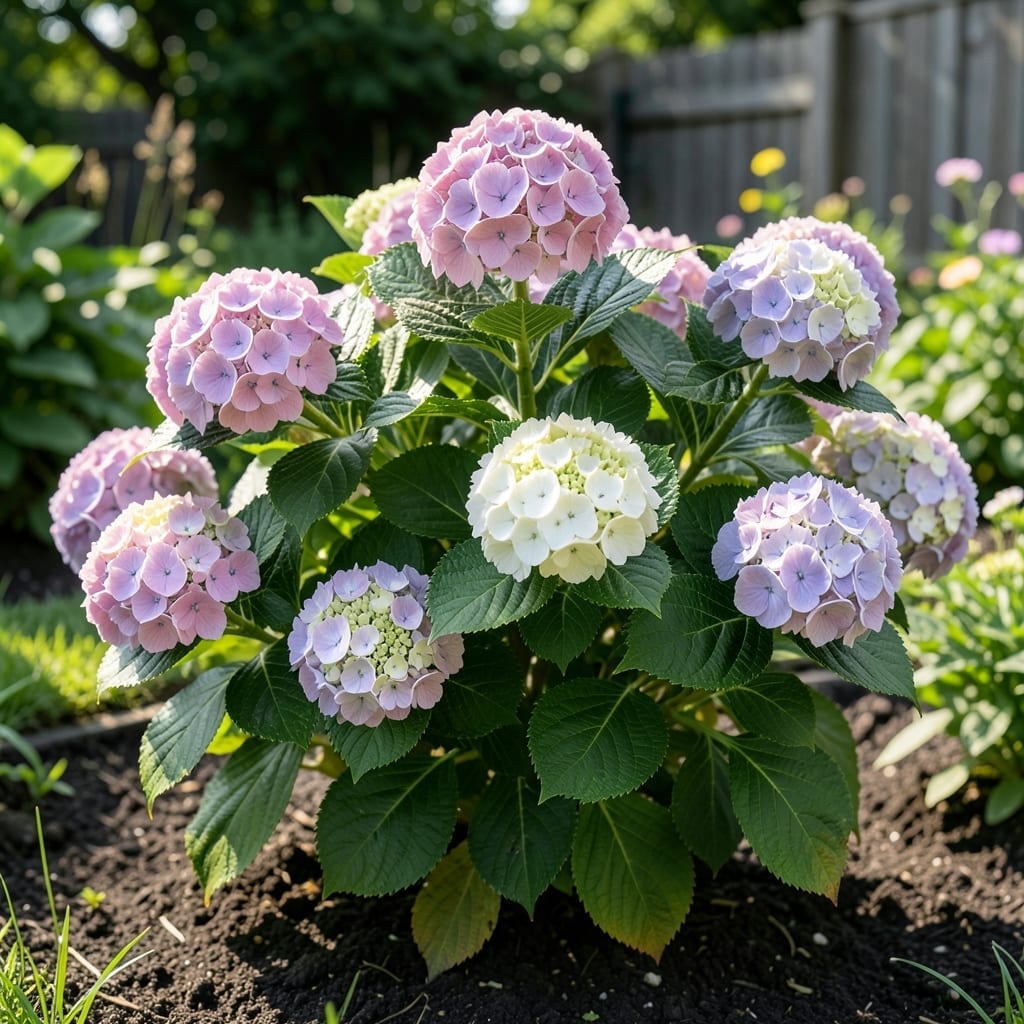
Hydrangeas bring stunning color and volume to any garden, but their size can vary dramatically depending on the variety. Knowing how large they’ll grow helps you plan the perfect landscape without overcrowding.
I’ve seen 🌸 Hydrangea shrubs range from compact 3-foot bushes to towering 8-foot giants. The difference between dwarf and standard types is surprising, and it all comes down to the specific cultivar you choose.
Discover how to match the right hydrangea to your space and keep its growth in check. With the right knowledge, you’ll enjoy beautiful blooms without the hassle of constant pruning.
When planning your garden, understanding the mature size of hydrangeas is crucial. These shrubs can vary from compact 2-foot dwarfs to 8-foot giants, depending on the variety.
I’ve found that bigleaf hydrangeas typically reach 3-6 feet tall and wide, while panicle types can grow much larger, often hitting 6-8 feet in height.
| Variety | Mature Height | Mature Width |
|---|---|---|
| Bigleaf | 3-6 ft | 3-6 ft |
| Panicle | 6-8 ft | 4-6 ft |
| Oakleaf | 4-6 ft | 4-6 ft |
| Smooth | 3-5 ft | 3-5 ft |
| Climbing | 30-80 ft | 4-6 ft |
| Dwarf | 2-3 ft | 2-3 ft |
Oakleaf hydrangeas usually stay between 4-6 feet in both height and width, making them a great mid-sized option for many gardens.
The smooth hydrangea tends to be slightly smaller, typically reaching 3-5 feet tall and wide, which works well in smaller landscapes.
Climbing hydrangeas are the exception—they can scale 30-80 feet vertically when given a structure, though their width stays manageable at 4-6 feet.
For tight spaces, dwarf varieties like ‘Little Lime‘ or ‘Pee Wee’ max out at just 2-3 feet tall and wide, perfect for containers or small garden beds.
I always recommend checking the specific cultivar tag when purchasing, as even within a type, sizes can vary. This helps avoid surprises as your hydrangeas mature.
Remember that pruning and growing conditions can also influence final size. With proper care, you can keep most hydrangeas within their expected range. 🌸
Several key factors determine how large your hydrangeas will grow. I’ve seen firsthand how soil quality and sunlight exposure can drastically affect their final size.
Rich, well-draining soil provides the nutrients needed for robust growth, while poor soil can stunt development. Hydrangeas thrive in slightly acidic to neutral pH conditions.
Sunlight exposure is another major factor. Most hydrangeas prefer partial shade, but too little light can result in leggy growth and smaller blooms.
Pruning practices play a crucial role in managing size. I recommend annual pruning to remove dead wood and shape the plant, which encourages bushier growth rather than height.
Watering habits also influence size. Hydrangeas need consistent moisture, especially during hot summers. Drought stress can limit growth and reduce flower production.
Finally, your climate zone matters. Hydrangeas grow best in USDA zones 5-9. In colder areas, they may stay smaller, while in warmer zones, they can reach their full potential. 🌿