
Beautiful Plants For Your Interior
Beautiful Plants For Your Interior
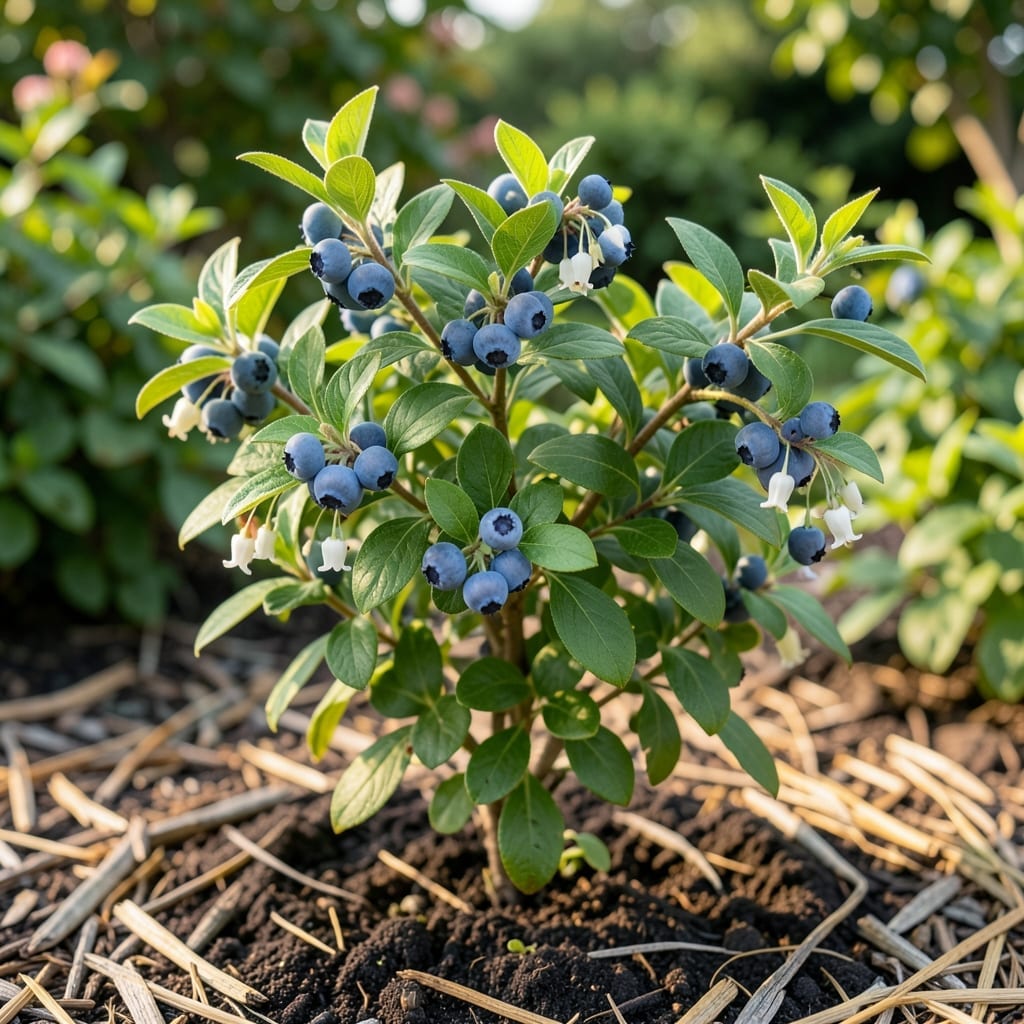
Picture this: a lush garden with blueberry 🫐 bushes dotting the landscape, but how much space do they really need? The answer might surprise you, as these versatile plants can vary dramatically in size.
From compact dwarf varieties perfect for patios to towering shrubs that command attention, understanding their mature dimensions is key for proper planning. Whether you’re a seasoned gardener or just starting out, this knowledge prevents overcrowding.
I’ve seen firsthand how the wrong assumption about size can lead to a tangled mess. The good news? With the right variety and care, you can control their growth to fit your space perfectly.
Let me walk you through what to expect and how to manage it. The difference between a thriving harvest and a garden headache often comes down to this one detail.
When planning your blueberry patch, understanding the mature size of each variety is key. I’ve seen gardeners plant standard bushes too close together, only to face overcrowding issues within a few years.
From compact dwarf types to towering highbush varieties, blueberry bushes can range from 2 feet to 12 feet tall, with spreads just as varied. The right choice depends on your space and goals. ✂️
| Variety | Height Range | Spread | Best For |
|---|---|---|---|
| Lowbush | 1-2 ft | 2-3 ft | Containers, ground cover |
| Half-High | 3-4 ft | 3-4 ft | Raised beds, small gardens |
| Highbush | 6-8 ft | 6-8 ft | Landscapes, orchards |
| Rabbiteye | 10-12 ft | 8-10 ft | Warmer climates, large spaces |
I always recommend lowbush varieties like Top Hat for container gardening. These stay under 2 feet tall and thrive in pots with acidic soil and full sun.
Half-high bushes, such as Northblue, are perfect for smaller yards. They reach about 3-4 feet and produce abundant berries without overwhelming the space.
For traditional gardens, highbush varieties like Bluecrop are popular. These can grow 6-8 feet tall and need 6-8 feet of spacing to ensure good air circulation.
If you have plenty of room, rabbiteye bushes like Climax can reach 10-12 feet. These are drought-tolerant and ideal for warmer zones.
Remember, pruning annually helps control size and boosts fruit production. I prune my bushes in late winter to remove old wood and shape them for the season.
Soil pH levels also impact growth. Blueberries need acidic soil between 4.5-5.5 pH. I test my soil every year and amend with sulfur or peat moss as needed.
With the right variety and care, your blueberry bushes will thrive and provide years of delicious harvests. Start small if you’re unsure—it’s easier to expand than to dig up overgrown plants! 🌱
If you’ve ever wondered why some blueberry bushes stay small while others grow tall, it’s all about their environment. I’ve found that soil pH, sunlight exposure, and pruning habits play huge roles in determining their final size.
For example, bushes planted in acidic soil with a pH between 4.5 and 5.5 tend to thrive and reach their full potential. Without the right conditions, even the hardiest varieties can stay stunted.
I always recommend testing your soil pH before planting. A simple test kit can save you years of frustration. If your soil is too alkaline, amending it with sulfur or peat moss can work wonders.
Pruning is another game-changer. I prune my bushes every late winter to remove dead or weak branches. This not only keeps them at a manageable size but also boosts fruit production by directing energy to healthy growth.
Don’t overlook spacing either. Crowded bushes compete for resources, leading to smaller plants and fewer berries. Give them room to spread—4-6 feet apart is ideal for most varieties.
Finally, consistent watering is key, especially during the first two years. Deep watering once a week is better than frequent shallow watering, as it encourages strong root systems.
With the right care, your bushes will reach their full size potential and reward you with abundant harvests for years 🌿