
Beautiful Plants For Your Interior
Beautiful Plants For Your Interior
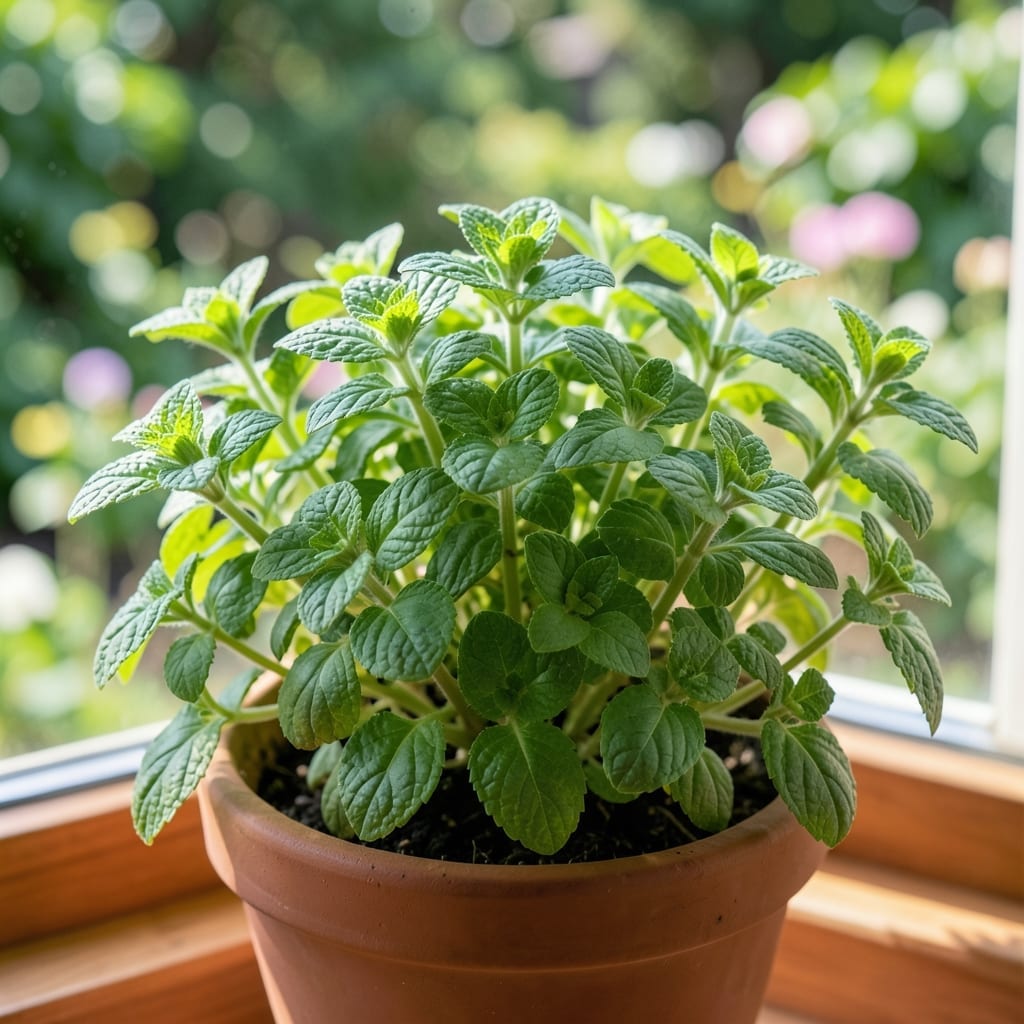
Mint is a gardener’s double-edged sword—its refreshing aroma and culinary uses make it a favorite, but its aggressive growth can quickly turn into an invasive nightmare.
I learned this the hard way when my small 🌿 mint patch expanded 3 feet in just one season. What starts as a modest herb garden can become a takeover if you’re not prepared.
Understanding how and why mint spreads so rapidly is the key to keeping it in check. Whether you want to encourage its growth or contain it, knowing its behavior makes all the difference.
Let me walk you through what to expect and how to manage this vigorous plant in your garden. You’ll be surprised how simple the solution can be.
If you’ve ever planted mint, you know it doesn’t just grow—it takes over. In ideal conditions, mint can spread 1-2 feet per month, quickly filling empty spaces with its vigorous runners.
This rapid growth is thanks to its underground rhizomes, which send up new shoots far from the original plant. Left unchecked, a single mint plant can colonize an entire bed in one growing season.
| Condition | Spread Rate |
|---|---|
| In-Ground, Ideal | 1-2 ft/month |
| In-Ground, Dry Soil | 6-12 inches/month |
| Container, 12″ Pot | 3-6 inches/month |
| Partial Shade | 6-12 inches/month |
| Full Sun, Moist Soil | 2+ ft/month |
In containers, mint’s spread is naturally limited by the pot size, but it can still fill a 12-inch pot in 2-3 months. The rhizomes will circle the container, creating a dense root ball.
I’ve seen peppermint and spearmint outpace other varieties, spreading up to 3 feet in a single season. Pineapple mint and chocolate mint tend to be slightly slower but still aggressive.
Soil type plays a big role. Mint thrives in loamy, well-draining soil with consistent moisture. In clay or compacted soil, the spread slows, but the rhizomes will still push through cracks and gaps.
Sunlight also accelerates growth. With 6+ hours of sun and ample water, mint can spread faster than you can prune it. In shadier spots, it grows slower but can still take over over time.
Seasonal changes affect the pace too. In spring and early summer, mint grows most rapidly. By late summer, the spread may slow as the plant focuses on flowering. In fall, growth tapers off, but the rhizomes remain active underground.
If you’re growing mint in raised beds, be warned: without root barriers, it will escape into surrounding soil. I’ve pulled up mint 5 feet away from where I originally planted it.
For container gardeners, mint’s spread is easier to manage, but it will still send runners over the edges. Regular pruning and root trimming can help keep it in check while encouraging bushier growth. 🌿
If you’ve ever planted mint in your garden, you know how quickly it can take over. I’ve seen it spread 1-2 feet per month in ideal conditions, which can crowd out other plants. The key is early containment to keep it manageable.
One of the most effective ways I’ve found is using root barriers. These are physical barriers buried around the plant that prevent underground runners from spreading uncontrollably.
The biggest mistake I see gardeners make is planting mint directly in garden beds without any containment. Even with regular pruning, the underground runners will keep spreading. Trust me, I learned this the hard way!
For container planting, I recommend using pots at least 12 inches deep. This gives the roots enough room to grow while keeping them contained.
Another effective method is strategic placement. If you must plant mint in the ground, place it in an area where its spread won’t matter, like along a fence line or in a dedicated herb garden.
Regular pruning is also essential. I prune my mint plants every 2-3 weeks during the growing season to keep them in check. This also encourages bushier growth and more leaves for harvesting.
Remember, the best defense is a good offense. Start with containment in mind from day one, and you’ll enjoy your mint without it taking over your garden.