
Beautiful Plants For Your Interior
Beautiful Plants For Your Interior
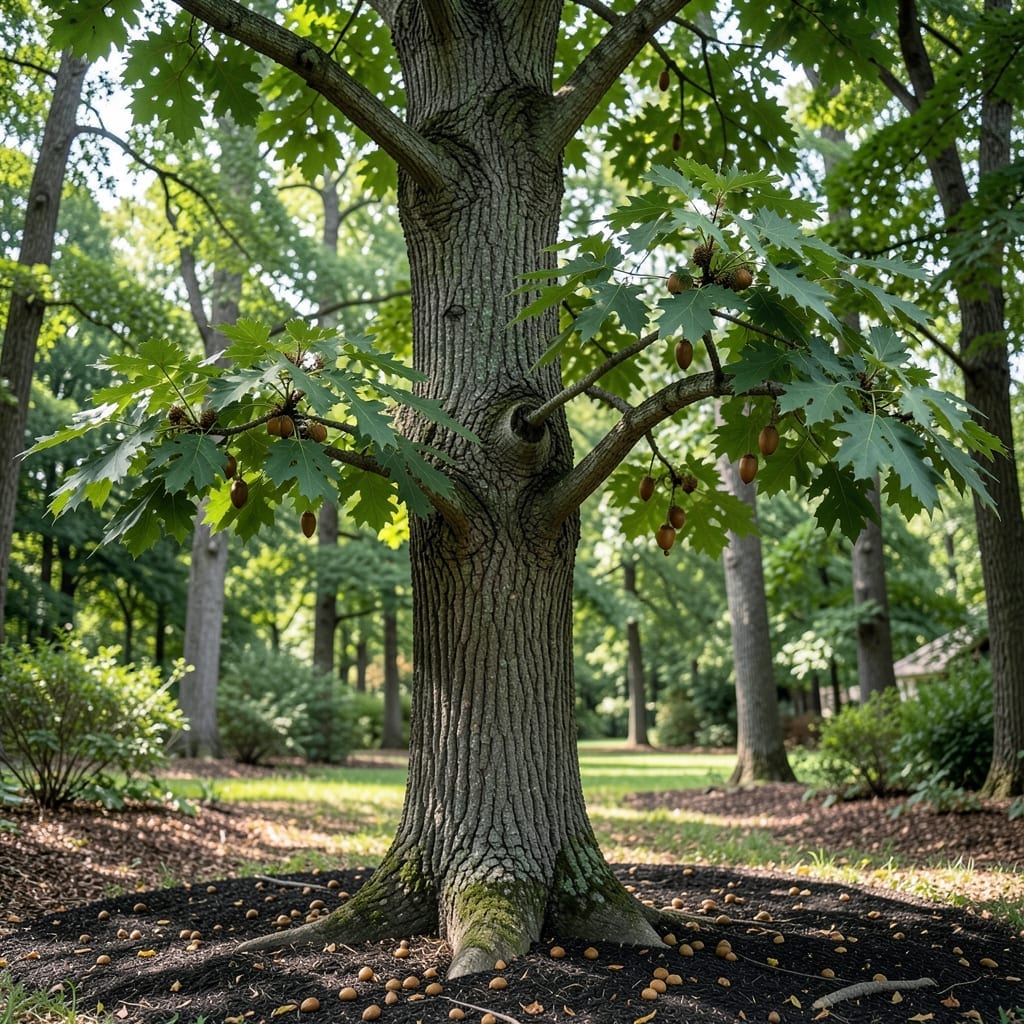
Hickory trees are prized for their strength, shade, and delicious nuts, but their slow growth can test even the most patient gardener. Understanding their growth rates helps set realistic expectations and proper care strategies.
I’ve watched these 🌳 magnificent trees transform landscapes over the years. Their growth pace might surprise you, especially when compared to other common trees in zones 4-8.
Discover what factors influence their development and how to give your Hickory Tree the best start for steady, healthy growth.


If you’re planting a hickory tree, patience is key. These majestic hardwoods grow slower than many other trees, but their long lifespan and sturdy nature make them worthwhile. Most species add 12-24 inches per year under ideal conditions.
I’ve seen shagbark hickories reach 60-80 feet at maturity, while pignut hickories often stay slightly smaller. Growth rates vary significantly by species, soil quality, and climate zone. 🌳
| Species | Annual Growth | Mature Height |
| Shagbark | 12-18 inches | 60-80 feet |
| Pignut | 10-15 inches | 50-65 feet |
| Mockernut | 8-12 inches | 50-60 feet |
| Pecan | 18-24 inches | 70-100 feet |
The pecan hickory is the fastest grower, often adding 18-24 inches annually in optimal conditions. This makes it a popular choice for gardeners wanting faster results. However, it requires rich, well-drained soil and full sun to thrive.
Mockernut hickories are the slowest, typically growing 8-12 inches per year. Their compact size makes them suitable for smaller landscapes, but they still need decades to mature. Patience truly is a virtue with these trees.
In my experience, soil preparation is crucial. Hickories prefer deep, loamy soil with a pH of 6.0-7.0. Poor soil can stunt growth by 50% or more. Always test your soil before planting.
Climate zone also plays a major role. In warmer zones (7-8), hickories grow faster than in cooler zones (4-5). A shagbark hickory in Zone 7 might grow 20 inches a year, while the same tree in Zone 4 could only add 10 inches.
Water availability impacts growth too. Young trees need 1-2 inches of water weekly. Once established, they’re drought-tolerant, but consistent moisture boosts growth rates. Mulching helps retain soil moisture and regulates temperature.
I always recommend staking young trees for the first 2-3 years. This prevents wind damage and allows the tree to focus its energy on root and trunk development. Prune only to remove dead or diseased branches—excessive pruning can slow growth.
Remember, these growth rates are averages. Your hickory’s progress depends on your specific conditions. With proper care, you’ll be rewarded with a strong, beautiful tree that can live for centuries. 🌿
Understanding what influences hickory tree growth helps you create the best environment. These trees thrive when their basic needs are met, but several factors can accelerate or stunt their development significantly.
I’ve found that soil quality often makes the biggest difference. Hickories prefer deep, well-draining soil with a pH between 6.0-7.0. Poor or compacted soil can reduce growth rates by half or more. 🌱
Sunlight exposure is another critical factor. Hickories need 6+ hours of direct sunlight daily. In shady spots, growth can be stunted by 30-40%. I always recommend planting in south-facing locations for maximum sun.
Water availability impacts growth, especially for young trees. They need 1-2 inches of water weekly. Once established, they become drought-tolerant, but consistent moisture speeds up growth. Mulching helps retain soil moisture.
Climate zone plays a significant role. In warmer zones (7-8), hickories grow 20-30% faster than in cooler zones (4-5). A shagbark hickory in Zone 7 might grow 20 inches a year, while in Zone 4 it could only add 10 inches.
Finally, pruning practices and pest management affect growth. Excessive pruning can slow growth, so I only remove dead or diseased branches. Watch for common pests like hickory bark beetles. ☀️