
Beautiful Plants For Your Interior
Beautiful Plants For Your Interior
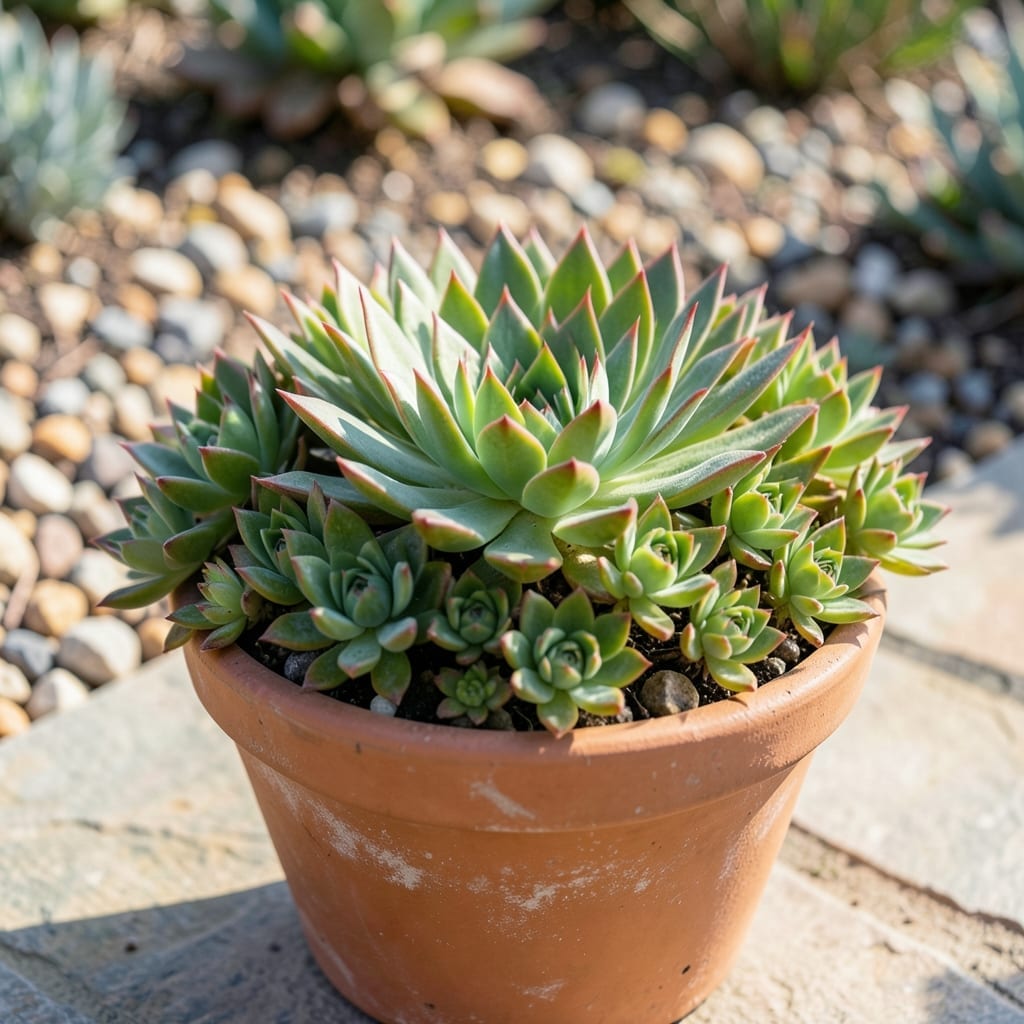
If you’ve ever planted Hens And Chicks 🌵 and found yourself watching them a little too expectantly, you’re not alone. These tough little succulents have a reputation for being slow growers, but their actual pace might surprise you.
What starts as a tiny offset can transform into a full, vibrant rosette faster than you’d think. The key is understanding the conditions that help them thrive.
I’ve learned that with the right care, you can see noticeable growth in just a few weeks. It’s all about giving them what they need to reach their potential.
Discover how to create the perfect environment for your Hens And Chicks to grow at their fastest rate, and what to expect along the way.


If you’re growing hens and chicks (Sempervivum), you’ll be pleased to know these hardy succulents have a moderate growth rate. From my experience, they typically reach mature size in about 1-2 years, depending on conditions. 🌵
The journey starts with tiny offsets (chicks) forming around the mother plant (hen). These usually appear within 3-6 months after planting, given the right care. The mother plant itself can grow 2-3 inches in its first year. 🌱
| Growth Stage | Timeline | Size |
| Offset Formation | 3-6 months | 0.5-1 inch |
| Early Growth | 6-12 months | 1-2 inches |
| Year 1 | 12 months | 2-3 inches |
| Mature Size | 18-24 months | 3-6 inches |
I’ve noticed that spring and fall are the best seasons for growth. During these periods, your hens and chicks can grow up to 1 inch per month with optimal care. Summer growth slows due to heat, while winter brings dormancy. ☀️
For the fastest growth, ensure your plants receive 6+ hours of sunlight daily. I always recommend well-draining soil to prevent root rot, which can stunt growth. A sandy loam mix works best for these succulents. 🌿
The chicks will initially grow slower than the hen, but once separated, they can catch up quickly. I’ve seen separated offsets reach 1 inch in diameter within just 2-3 months of proper care. ✂️
Watering plays a crucial role too. I water my hens and chicks deeply but infrequently – about every 2-3 weeks. Overwatering is a common mistake that can actually slow growth and cause rot. 💧
Temperature also affects growth rate. These plants thrive in 60-75°F ranges. In cooler climates, growth may pause during winter, but they’ll resume when temperatures rise in spring. 🌡️
Remember, while hens and chicks aren’t the fastest growers, their low maintenance and drought tolerance make them worth the wait. Plus, their ability to self-propagate means you’ll have plenty to share with fellow gardeners! 🌼
In my garden, I’ve found that consistent care leads to the most predictable growth. Even in less-than-ideal conditions, these resilient plants will still grow, just at a slower pace. Their adaptability is part of what makes them so beloved. 🪴
If you want your hens and chicks to grow faster, start with sunlight exposure. These succulents thrive in full sun, needing at least 6+ hours of direct light daily for optimal growth.
Next, consider your soil quality. Well-draining soil is non-negotiable to prevent root rot, which can stunt growth entirely. A sandy or gritty mix works best for these hardy plants.
The right temperature range also makes a difference. Hens and chicks grow fastest in 65-75°F conditions. Cooler temps slow growth, while extreme heat can stress the plants.
When it comes to watering, less is more. These drought-tolerant plants prefer infrequent deep soaks over regular light watering. Overwatering is a common mistake that leads to stunted growth.
While fertilization isn’t usually necessary, a light feeding with low-nitrogen fertilizer in spring can give them a gentle boost. Remember, too much fertilizer can actually harm these plants.
Finally, give them space to spread. Crowded plants compete for resources, which slows growth. I recommend separating offsets when they’re about 1 inch wide for best results.☀️