
Beautiful Plants For Your Interior
Beautiful Plants For Your Interior
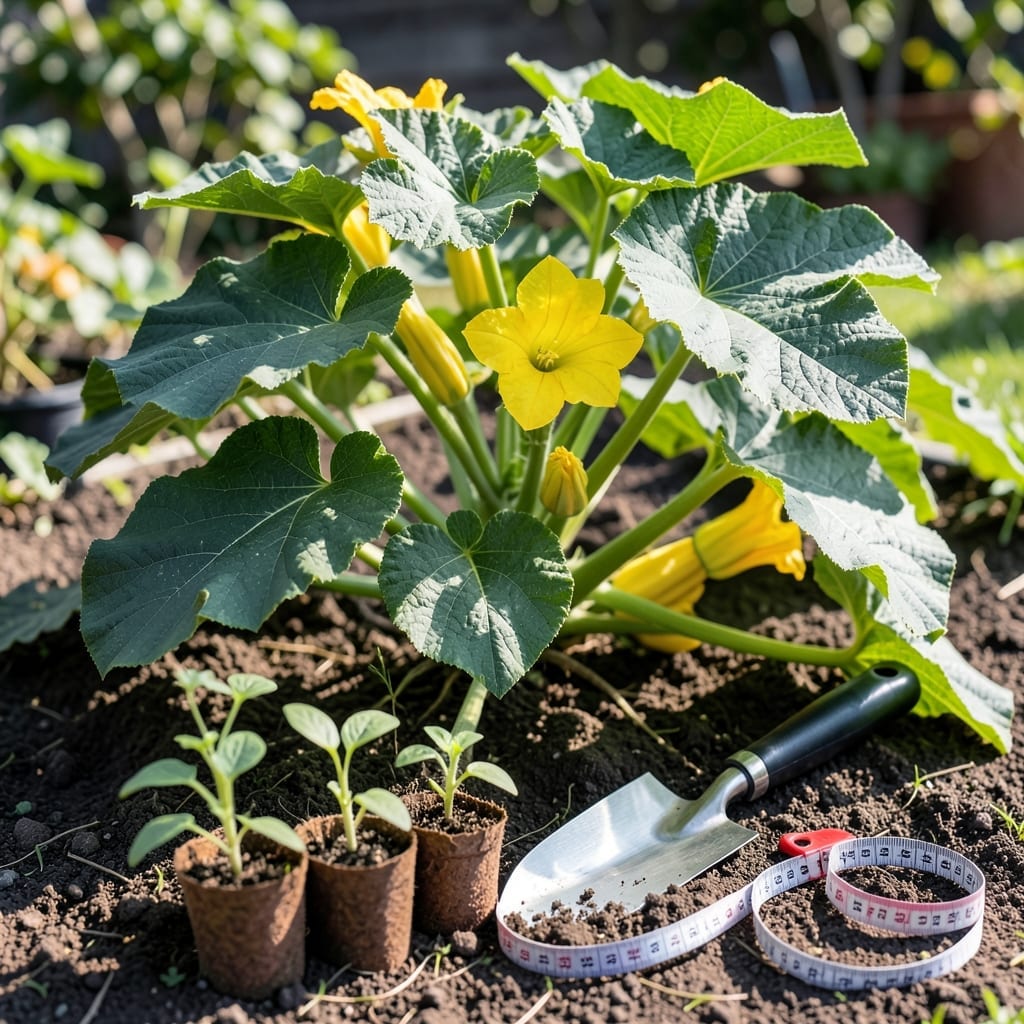
Picture a garden bursting with healthy 🎃 Yellow Squash vines heavy with produce. That vision starts with one simple but crucial decision: how much space to give each plant.
Get it wrong, and you’ll face a tangled mess of leaves, stunted growth, and missed harvests. The right spacing means better air flow, fewer diseases, and room for those vines to spread.
I’ve learned the hard way that crowded plants compete for sunlight and nutrients. But with the proper distance between each Yellow Squash, you set the stage for a thriving crop.
Let me walk you through the exact measurements and methods that guarantee your garden will flourish. You’ll see the difference in just weeks.

Getting the spacing right is crucial for healthy yellow squash plants. In row planting, I recommend 24-36 inches between each plant to give them room to spread their large leaves and vines. This prevents overcrowding and ensures good air circulation. ✂️
For between-row spacing, maintain 4-6 feet apart. This allows enough space for walking paths and easy harvesting access without compacting the soil around your plants. Proper row spacing also helps with disease prevention by improving airflow. 🌿
| Planting Method | Spacing Requirement | Notes |
|---|---|---|
| In-Row | 24-36 inches | Prevents leaf overlap |
| Between Rows | 4-6 feet | Allows walking space |
| Hill Planting | 5-6 feet apart | 3-4 seeds per hill |
If you prefer hill planting, space your hills 5-6 feet apart with 3-4 seeds per hill. This method works well because it improves drainage and warms the soil faster in spring. Each hill will produce multiple vines that can sprawl outward. 🌱
The hill method is particularly good for clay or poorly draining soils. I’ve found it also makes watering more efficient as you can direct moisture right to the plant roots. Just be sure to thin seedlings to the strongest 2-3 plants per hill once they sprout.
For bush varieties of yellow squash, you can reduce spacing slightly to 18-24 inches apart. These compact plants don’t spread as much as vining types, but still need good air circulation to prevent powdery mildew and other fungal issues.
Remember that yellow squash plants can grow 2-3 feet tall and spread 3-6 feet wide. Giving them adequate space from the start prevents the need for pruning or transplanting later. I always mark my planting spots with stakes or string to visualize the spacing before planting.
In raised beds, you can plant a bit more densely since the soil is typically looser and better draining. I suggest 18-24 inches between plants in a 4-foot wide bed, with just one row down the center to maintain easy access from both sides.
No matter which method you choose, consistent spacing is key. I use a measuring tape or a planting stick marked at the correct intervals to ensure uniformity. This attention to detail at planting time pays off with healthier plants and bigger harvests later. 🪴
Finally, consider your garden layout and how the squash plants will interact with neighbors. Leave extra space if planting near taller crops that might shade your squash. Proper planning at the start of the season prevents space-related problems as your plants mature.
I’ve learned that proper spacing isn’t just about neat rows—it’s critical for healthy yellow squash. Crowded plants struggle with air circulation, leading to fungal diseases like powdery mildew. When plants have room, they thrive with stronger stems and bigger yields.
Without enough space, yellow squash vines compete for sunlight, water, and nutrients. This stress weakens plants, making them more susceptible to pests and reducing your harvest. I always aim for 24–36 inches between plants in rows.
Good spacing also makes harvesting easier. I can walk between rows without stepping on vines, and I spot ripe squash faster. This means less damage to plants and more fresh produce for my table.
Another advantage is better pollination. Bees and other pollinators can move freely between yellow squash flowers when plants aren’t crammed together. This boosts fruit set and gives me a more abundant harvest.
In my experience, overcrowded plants also hold moisture longer, creating perfect conditions for disease spread. Proper spacing lets the soil dry faster after watering or rain, keeping my squash healthier.
I’ve seen firsthand how well-spaced plants produce larger, more uniform squash. It’s worth the extra effort to measure and mark your rows correctly at planting time. Your future self will thank you at harvest! 🌱