
Beautiful Plants For Your Interior
Beautiful Plants For Your Interior
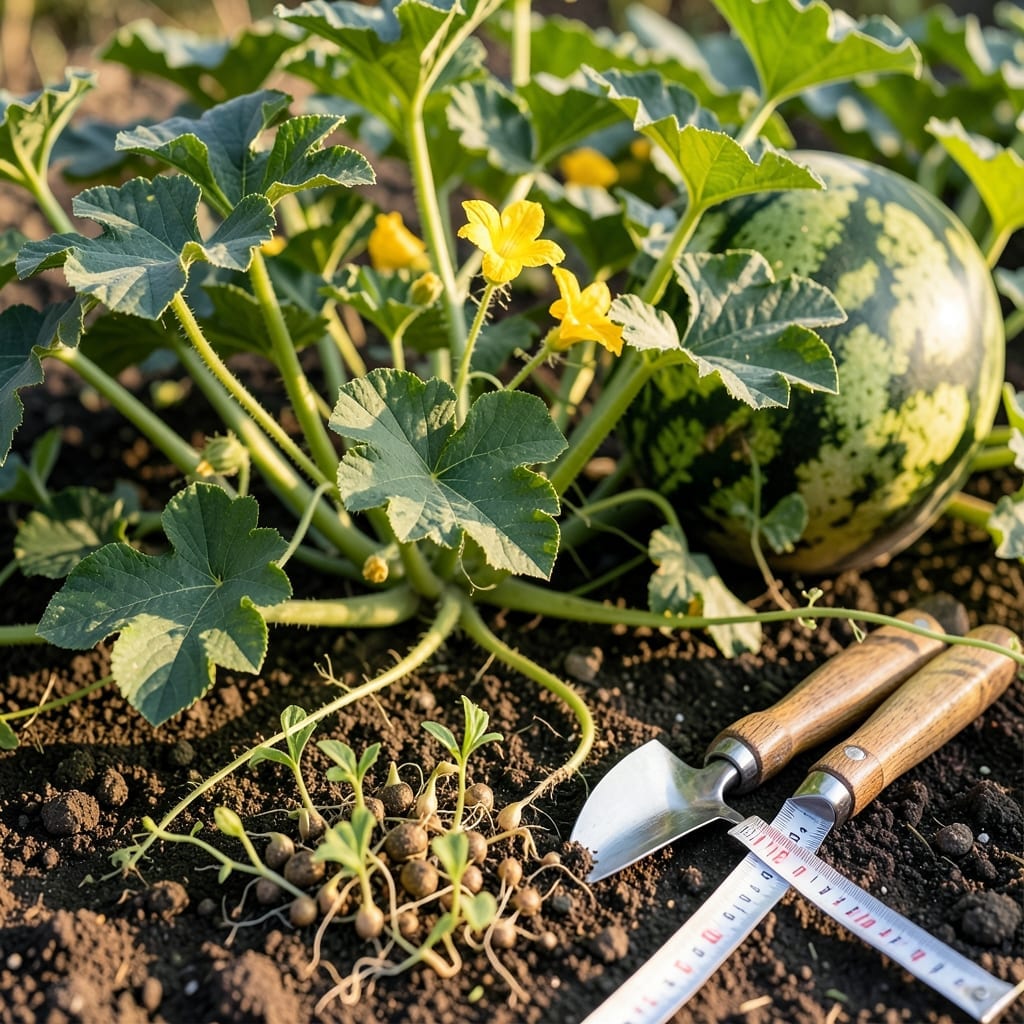
Proper spacing is the secret to growing juicy, oversized 🍉 Watermelon without crowding your garden. Get it wrong, and you risk stunted growth, disease, or a disappointing harvest.
I’ve learned that giving these vining plants enough room isn’t just about size – it’s about air circulation and access to nutrients. Whether you’re planting in rows or hills, the right distance makes all the difference.
Discover how to maximize your space while ensuring each Watermelon plant has what it needs to thrive. Your biggest, sweetest harvest starts with this one simple step.

Getting watermelon spacing right ensures healthy vines and massive fruits. I always remind gardeners that these plants need room to sprawl, typically 3 to 5 feet apart in all directions.
For bush varieties, you can tighten spacing to 2 to 3 feet, but vining types demand more space. Proper air circulation prevents disease and gives roots access to nutrients.
| Variety | Spacing (Feet) | Garden Type |
|---|---|---|
| Vining | 5-6 ft | In-ground rows |
| Bush | 2-3 ft | Raised beds |
| Mini | 1-2 ft | Containers |
| Hill planting | 6-8 ft | Mounded soil |
In raised beds, I reduce spacing slightly to 3 to 4 feet because the soil is typically richer. But remember, overcrowding leads to smaller fruits and increased disease risk.
For row planting, maintain 6 to 8 feet between rows. This allows for easy access and proper vine spread. I’ve seen gardens where tight rows led to tangled vines and poor fruit set.
If you’re using hills, plant 2 to 3 seeds per hill with 6 to 8 feet between hills. Thin to the strongest plant once they sprout. This method improves drainage and warms the soil faster.
Container watermelons need at least 5-gallon pots and should be spaced 1 to 2 feet apart. Dwarf varieties like ‘Sugar Baby’ work best in containers.
I always recommend testing your soil before planting. Watermelons prefer well-draining soil with a pH of 6.0 to 6.8. Amend with compost for best results.
Remember that sunlight is crucial. Watermelons need full sun (6-8 hours daily). In shadier spots, you might need to increase spacing to compensate for reduced light.
Finally, consider companion planting. I’ve had success planting watermelons near corn or radishes, which can help deter pests without competing for space. 🌱
I see many gardeners make spacing errors with watermelons that cost them a good harvest. The most common is planting too close, which leads to tangled vines and poor fruit development.
Another frequent issue is ignoring vine length. Some varieties can spread 10 to 20 feet, so they need far more room than compact plants. I always measure my space before planting.
⚠️ Warning: Overcrowding watermelons causes stunted growth, disease spread, and smaller fruits. Always follow spacing guidelines for your variety.
Many forget that row orientation matters too. Plant rows north to south for even sun exposure. East-west rows can create shading issues as vines grow.
I’ve learned that poor soil preparation often leads to spacing problems. If your soil is compacted or nutrient-poor, plants won’t thrive even with proper spacing.
Avoid planting near competing crops like squash or pumpkins. These heavy feeders will fight for nutrients and space. I keep watermelons in their own dedicated area.
Finally, don’t neglect thinning seedlings. Planting 2-3 seeds per hill is fine, but you must thin to the strongest plant to prevent overcrowding. This tough love pays off at harvest time. 🌱