
Beautiful Plants For Your Interior
Beautiful Plants For Your Interior
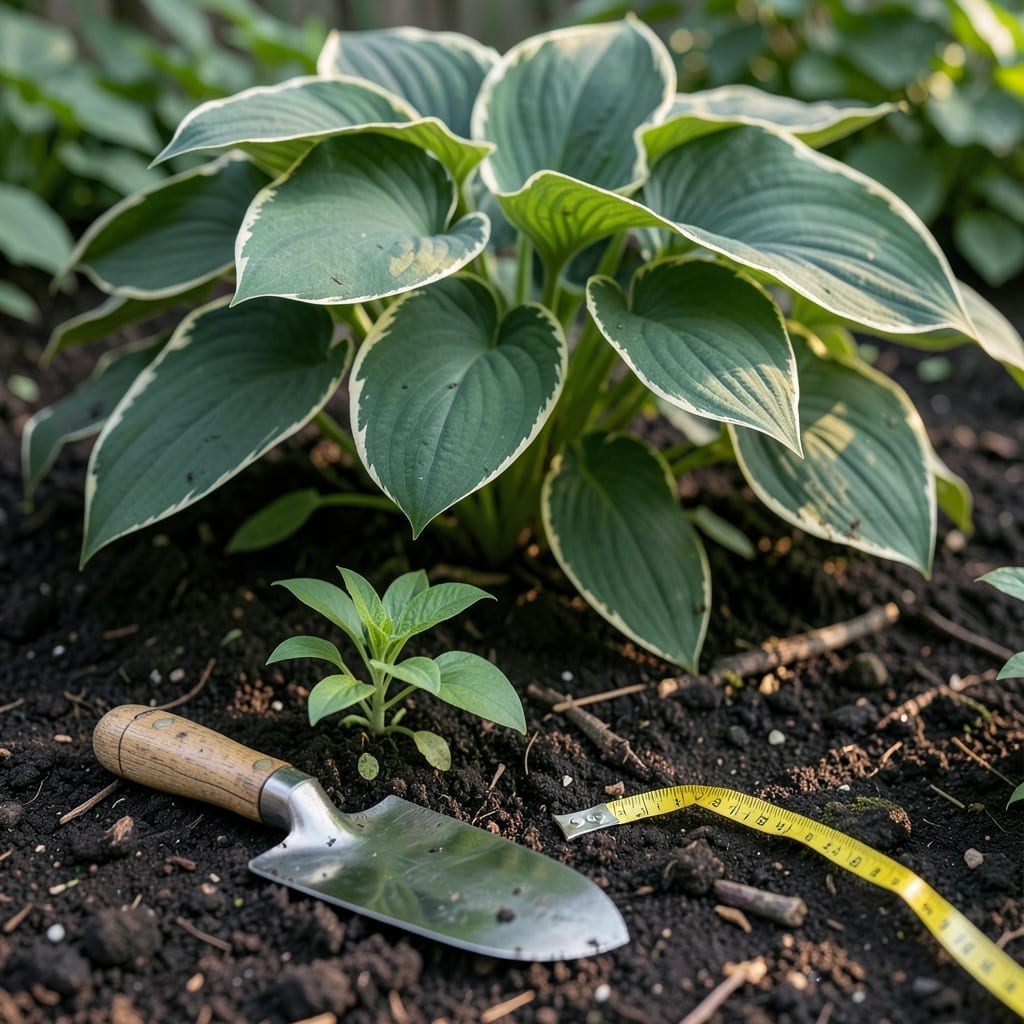
Proper spacing is the key to growing hostas that thrive with vibrant foliage and minimal maintenance. Get it wrong, and you risk stunted growth, disease, or a garden that looks overcrowded.
Whether you’re planting dwarf varieties or larger hostas, giving each 🌿 the right amount of room makes all the difference. I’ve seen firsthand how proper spacing transforms a garden from struggling to stunning.
Discover the simple guidelines that will help your hostas reach their full potential. Let’s dig into what works best for your garden goals.
Getting the spacing right for hostas means understanding their mature size. Dwarf varieties stay compact, while giant hostas can spread 4 feet or more. I always measure twice before planting.
As a rule, small hostas need 12-18 inches between plants, while medium types thrive with 18-24 inches. This gives their lush foliage room to shine without competing. 🌿
| Variety | Mature Spread | Recommended Spacing |
|---|---|---|
| Dwarf | 1-2 ft | 12-18 inches |
| Medium | 2-3 ft | 18-24 inches |
| Large | 3-4 ft | 24-36 inches |
| Giant | 4+ ft | 36-48 inches |
For large hostas, I recommend 2-3 feet of space. These bold beauties need room to display their dramatic leaves without crowding neighbors.
Giant hostas are the showstoppers, often reaching 4 feet wide. Give them a 3-4 foot berth for maximum impact. They’ll reward you with tropical-looking foliage.
Remember, these are general guidelines. Your soil quality and light conditions can affect growth. In rich soil, hostas may grow larger than expected.
If you’re planting in containers, reduce spacing by 25%. The confined roots will naturally limit spread. Just ensure each hosta has enough root room to thrive.
For a natural look, I sometimes plant hostas slightly closer. This creates a lush, filled-in appearance faster, but requires more frequent division every few years.
Always check the plant tag for specific variety information. Some newer cultivars have unique growth habits that might need adjusted spacing.
Proper spacing isn’t just about plant health—it’s about garden aesthetics. Well-spaced hostas create visual rhythm and allow each plant to shine. ✂️
Even experienced gardeners make spacing errors with hostas. The most common mistake I see is planting too close for instant gratification. This leads to crowded foliage and disease spread within a few years.
Another frequent issue is ignoring light conditions. Hostas in full sun need more space than those in deep shade. I’ve learned to adjust my spacing based on the garden’s microclimates. 🌿
⚠️ Watch Out: Planting hostas too close causes stunted growth and fungal diseases. Always follow mature size guidelines for healthy plants.
Many gardeners also overlook soil quality when spacing. In rich, fertile soil, hostas grow larger than their tag suggests. I always amend my soil before planting and adjust spacing accordingly.
Another mistake is planting too far apart. While this prevents crowding, it can make your garden look sparse and unfinished for years. I recommend a balanced approach based on your patience level.
Don’t forget about companion plants. Hostas paired with shallow-rooted plants can share space, but deep-rooted competitors need their own territory. I love pairing hostas with ferns or astilbes for a layered look.
Finally, neglecting to divide mature hostas leads to overcrowded beds. I make it a habit to check my hostas every 3-4 years and divide when needed. This keeps them healthy and your garden looking its best. ✂️