
Beautiful Plants For Your Interior
Beautiful Plants For Your Interior
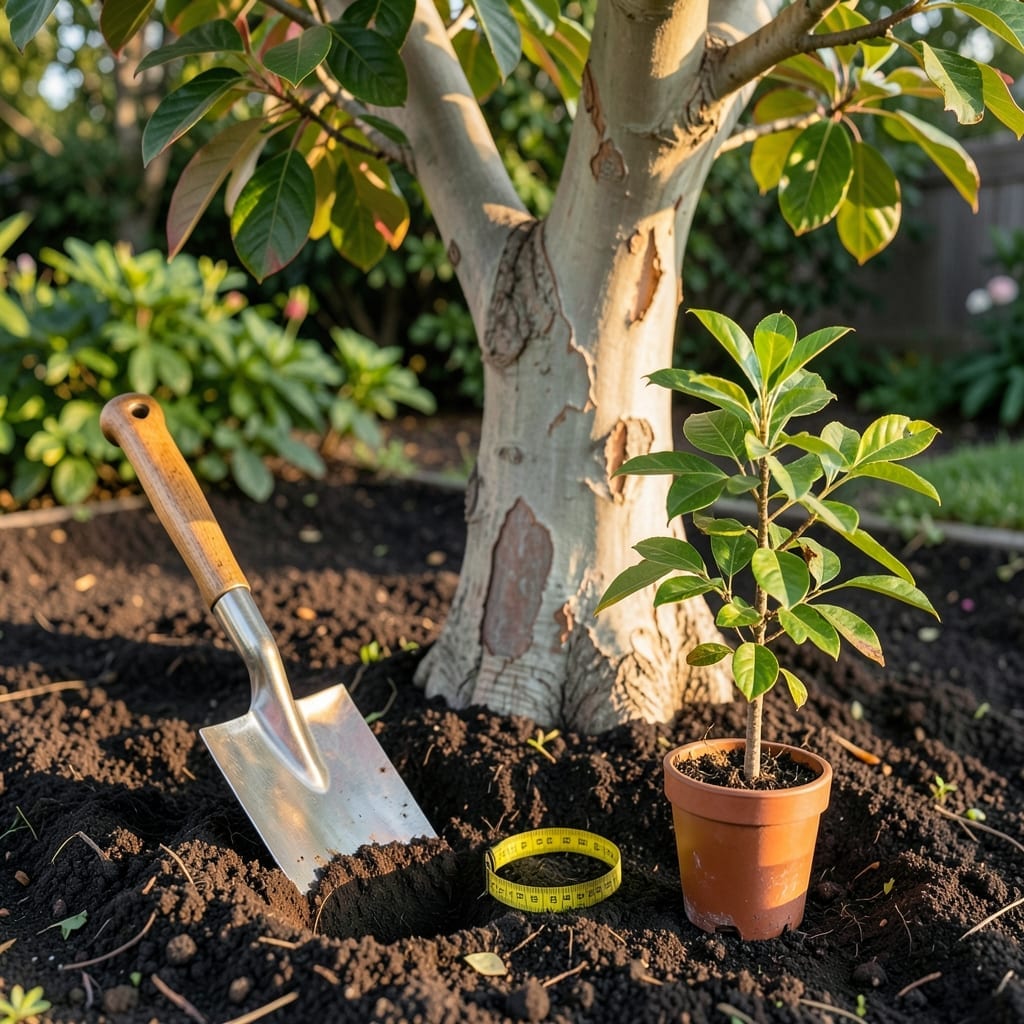
Proper spacing is the key to vibrant, healthy 🌳 Crape Myrtles that thrive for decades. Plant them too close, and you’ll battle disease and stunted growth.
Too far apart, and your landscape loses impact. I’ve seen both scenarios play out, and it’s amazing how much difference a few feet can make.
Let me show you exactly how to space these beautiful trees for maximum health and visual appeal in your garden.


Getting crape myrtle spacing right is all about knowing your variety. I’ve learned that dwarf types like ‘Petite Snow’ only need 3-4 feet between plants to shine.
These compact beauties stay under 6 feet tall, making them perfect for small gardens or borders. Their modest root systems don’t compete aggressively for space.
| Variety | Mature Height | Spacing |
| Dwarf | 3-6 ft | 3-4 ft |
| Semi-Dwarf | 6-12 ft | 6-8 ft |
| Standard | 15-25 ft | 10-15 ft |
| Tree Form | 20-25 ft | 15-20 ft |
For semi-dwarf varieties like ‘Catawba’, I recommend 6-8 feet of space. These reach 6-12 feet tall and need room to develop their graceful branching habit.
They’ll form a stunning mid-height screen when properly spaced. I’ve seen them create beautiful summer privacy barriers in many gardens.
Standard crape myrtles like ‘Natchez’ are the showstoppers. These can soar to 25 feet tall, so give them 10-15 feet between plants.
This spacing allows their canopies to spread without overlapping. I always tell gardeners to measure twice before planting these giants.
For tree-form crape myrtles, go even wider. I’d suggest 15-20 feet apart to accommodate their tall trunks and broad canopies.
These make magnificent specimen trees when given proper space. Their arching branches need room to display their summer blooms fully.
Remember, these are minimum spacing guidelines. If you want better air circulation or easier maintenance, don’t hesitate to add an extra foot or two between plants.
I’ve found that slightly wider spacing often leads to healthier plants with fewer disease issues in the long run.
I’ve seen too many gardeners make costly spacing errors with their 🌳 crape myrtles. The most common mistake is planting too close to structures or other trees.
This leads to root competition and restricted growth. Remember, even dwarf varieties need 3-4 feet from walls or fences to thrive.
Planting too close together causes poor air circulation, leading to fungal diseases like powdery mildew. Always follow mature size guidelines for your variety.
Overcrowding plants is another frequent issue. When crape myrtles are spaced too tightly, they compete for sunlight and nutrients.
This results in weak growth and fewer blooms. I always recommend measuring center to center between plants, not edge to edge.
Many gardeners also ignore soil conditions when spacing. In poor-draining soil, I’d suggest adding an extra foot between plants to prevent root rot.
Lastly, don’t forget about future maintenance. Proper spacing makes pruning and care much easier as your crape myrtles mature. 🌿