
Beautiful Plants For Your Interior
Beautiful Plants For Your Interior
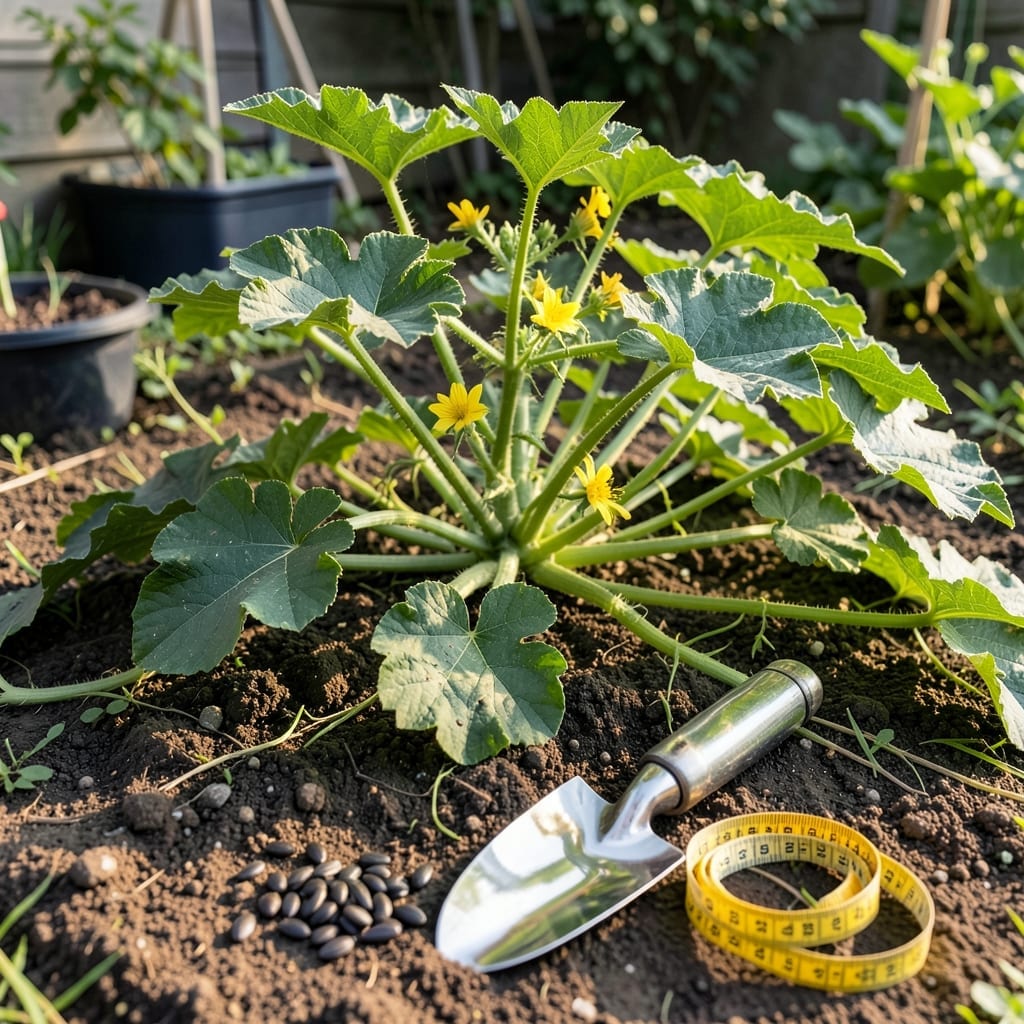
Proper spacing is the key to growing large, sweet 🍉 Watermelons without wasting garden space. Get it wrong, and you risk stunted growth, poor air circulation, and disease.
I’ve seen many gardeners struggle with overcrowded vines that compete for nutrients and sunlight. The solution lies in understanding how much room these sprawling plants truly need to thrive.
Discover the exact spacing that will maximize your yield while keeping your Watermelon plants healthy and productive all season long.
Getting watermelon spacing right means the difference between a bountiful harvest and a tangled mess. These vining plants need room to stretch their long tendrils and access sunlight.
I always recommend starting with variety-specific guidelines, as bush types need less space than vining varieties. Your garden layout—whether in-ground or raised beds—also plays a role.
Air circulation is critical for preventing foliar diseases like powdery mildew. When plants are too close, humidity builds up between leaves, creating ideal conditions for fungi.
For vining watermelons, I suggest 5-6 feet between plants in rows that are 7-8 feet apart. This gives long vines room to spread without overlapping into neighboring rows.
Bush varieties are more compact and can be spaced 3-4 feet apart in rows 5-6 feet apart. They’re perfect for smaller gardens or container growing.
In raised beds, you can reduce spacing slightly to 2-3 feet apart since the soil warms faster and drains better. Just ensure each plant still has enough room to access sunlight.
If you’re using hills, plant 2-3 seeds per hill with hills spaced 8-10 feet apart. Thin to the strongest plant once they’re established.
Remember, crowded plants compete for nutrients and water, leading to smaller fruits and reduced yields. Give them space to thrive, and they’ll reward you with sweet, juicy melons 🌱
Proper spacing also makes harvesting easier and reduces the risk of disease spread. I’ve found that wider spacing in humid climates helps prevent fungal issues.
Even experienced gardeners make spacing errors with watermelons that can ruin a harvest. The most common issue I see is overcrowding plants, which leads to small fruits and disease problems.
Another frequent mistake is ignoring vine spread. Watermelon vines can stretch 10-20 feet, so they need ample room to grow without shading each other.
⚠️ Watch Out!
Avoid planting watermelons too close to fences or other structures that can block sunlight and restrict vine growth. This can stunt development and reduce fruit size.
I’ve also noticed gardeners underestimating row spacing. Rows should be 7-8 feet apart for vining types to allow for proper air flow and easy access during harvest.
Poor row orientation is another culprit. Plant rows north to south for maximum sun exposure. East-west rows can create shading that slows growth.
Some gardeners try to save space by planting too densely, but this backfires. Competition for nutrients results in weaker plants and smaller melons.
To fix these issues, always measure your space before planting and follow variety-specific guidelines. I recommend staking vines vertically if space is limited, though this requires extra support for heavy fruits 🌱
Finally, remember that proper spacing isn’t just about plant distance. Consider companion plants that won’t compete for resources, like radishes or nasturtiums, which can deter pests without crowding your watermelons.