
Beautiful Plants For Your Interior
Beautiful Plants For Your Interior
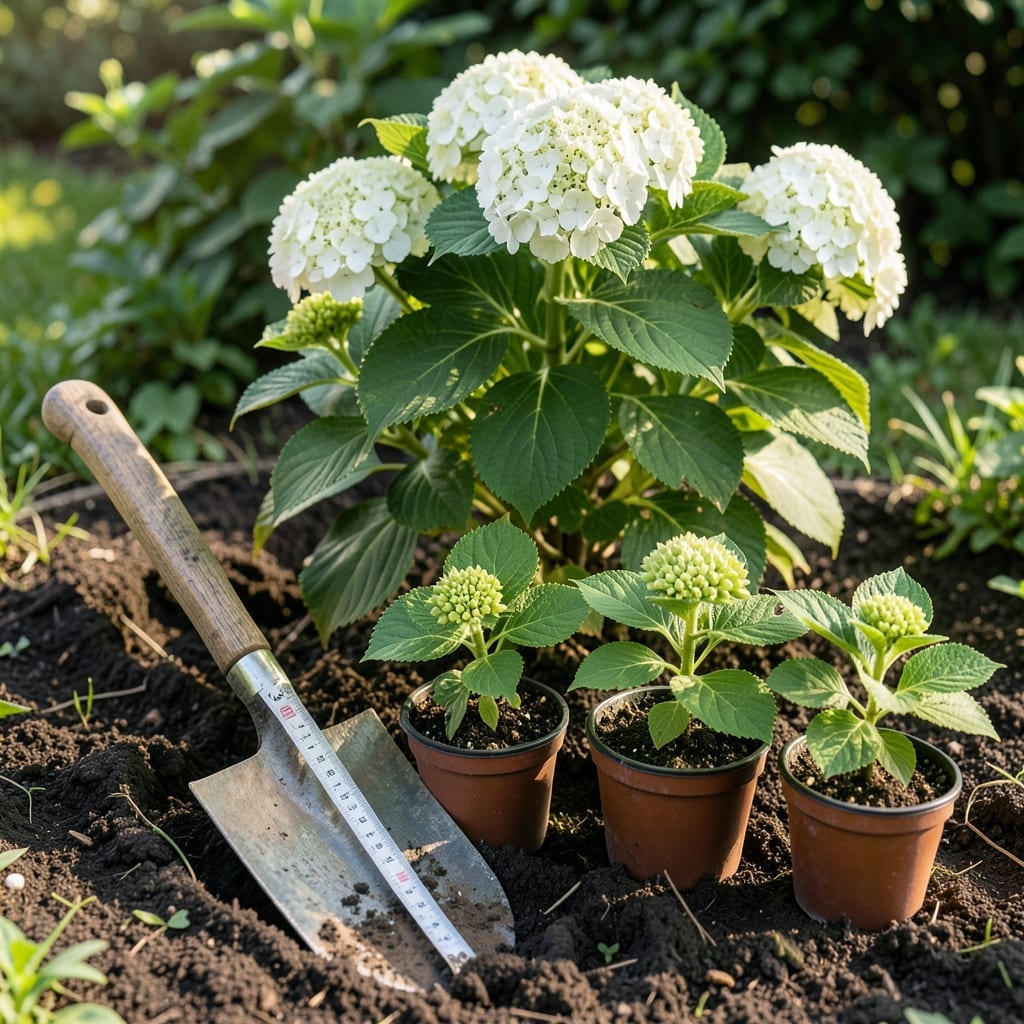
Proper spacing is the key to lush, healthy 🌸 Hydrangeas that thrive for years. Plant them too close, and you risk disease and stunted growth.
Too far apart, and your garden loses its vibrant impact. Getting this right ensures your shrubs have room to flourish without competing for resources.
I’ll walk you through the ideal distances based on variety and mature size, so you can create a stunning, healthy garden display. Let’s discover how to do it right.
Getting the right spacing for hydrangeas starts with knowing your variety. Each type has unique growth habits that determine how much room it needs to thrive without competing for nutrients or sunlight.
I always recommend checking the mature size of your specific hydrangea first. This gives you the best baseline for spacing decisions.
| header-cell” style=”text-align:left;padding:12px 16px;color:#6fd544;font-weight:600″>Recommended Spacing |
| cell” style=”text-align:left;padding:12px 16px;vertical-align:top”>4-6 ft apart |
| cell” style=”text-align:left;padding:12px 16px;vertical-align:top”>6-8 ft apart |
| cell” style=”text-align:left;padding:12px 16px;vertical-align:top”>4-6 ft apart |
| cell” style=”text-align:left;padding:12px 16px;vertical-align:top”>3-5 ft apart |
The Bigleaf hydrangea is a garden favorite, but it needs 4-6 feet between plants to prevent overcrowding. Its lush foliage and large blooms demand space to circulate air and reduce disease risk.
Panicle hydrangeas grow taller, often reaching 6-8 feet. I space these farther apart at 6-8 feet to accommodate their height and root spread. This also gives them room to showcase their cone-shaped flowers.
Oakleaf varieties have a rounded shape and typically need 4-6 feet of space. Their unique leaves and white summer blooms make them a striking addition when given proper room to grow.
For Smooth hydrangeas, which stay more compact at 3-5 feet tall and wide, I recommend planting them 3-5 feet apart. This spacing allows their large, round flower heads to shine without competition.
Remember, these are general guidelines. Local climate, soil quality, and your garden’s specific conditions may require slight adjustments. When in doubt, give them a little extra space.
I’ve found that proper spacing not only improves plant health but also makes maintenance easier. You’ll have better access for pruning and watering when plants aren’t cramped together.
🌸
Even experienced gardeners make spacing errors with hydrangeas. The most common is planting too close to save space, but this leads to disease and poor air circulation as plants mature and their foliage overlaps.
Another frequent mistake is ignoring mature size. Those small nursery plants will grow significantly, and crowding them now means transplanting later, which stresses the plants and sets back their growth.
Warning: Overcrowded hydrangeas compete for water and nutrients, leading to weaker blooms and increased susceptibility to pests and diseases. Always follow spacing guidelines for your specific variety.
I’ve seen gardeners forget to account for their local climate conditions. In warmer, more humid areas, hydrangeas may need extra space for airflow to prevent fungal issues like powdery mildew.
If you’ve already planted your hydrangeas too close, don’t panic. You can thin out some plants or transplant them to a new location. Early spring or fall is the best time for this task.
Another tip: consider the root spread of your hydrangeas. Their roots can extend beyond the drip line, so give them room underground as well as above. This is especially important for panicle hydrangeas with their extensive root systems.
Finally, remember that proper spacing isn’t just about plant health—it’s also about aesthetics. Well-spaced hydrangeas create a balanced, beautiful garden that’s easier to maintain and enjoy for years to come. 🌸