
Beautiful Plants For Your Interior
Beautiful Plants For Your Interior
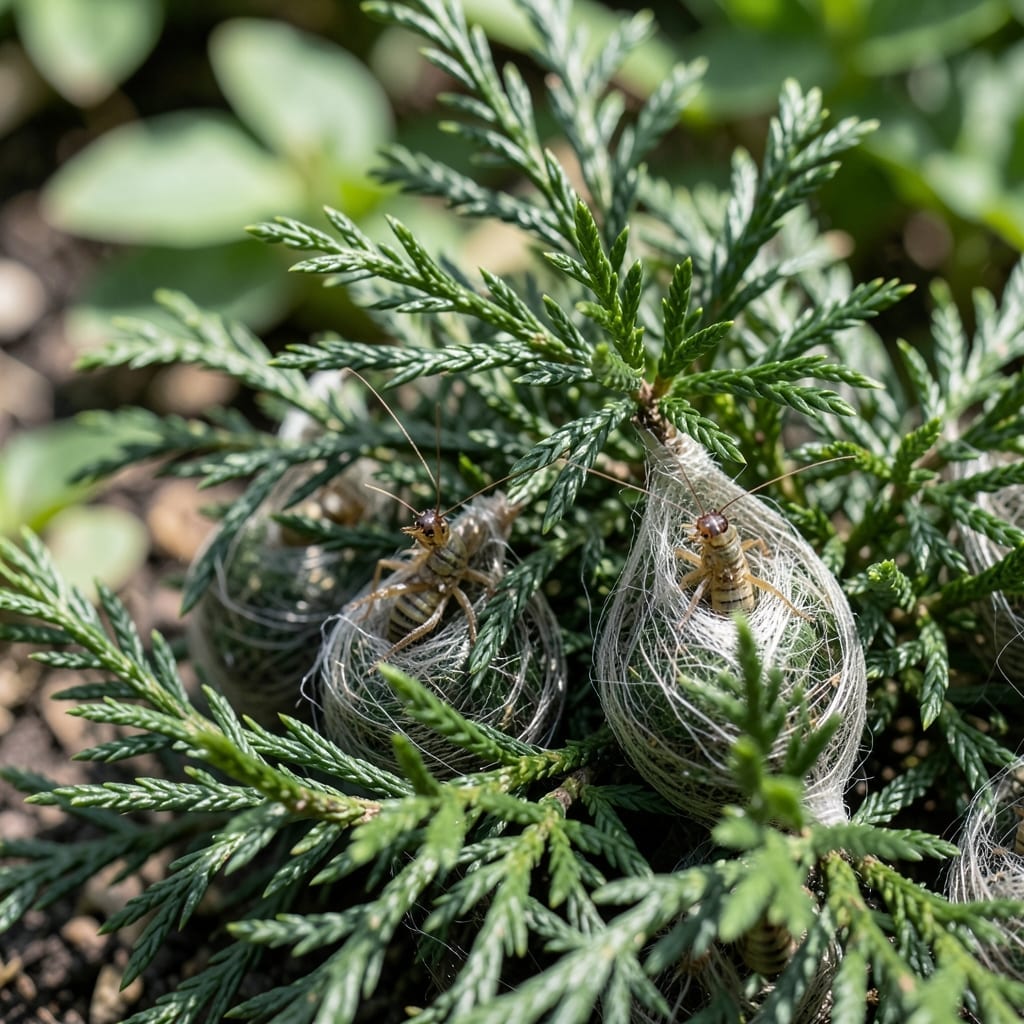
I first spotted the telltale bags hanging like tiny Christmas ornaments on my pine last summer. These pests move in quietly, then multiply fast if you don’t act. The key is catching them early before they strip your trees bare.
Hand-picking the bags works surprisingly well for small infestations. Drop them in soapy water to drown the larvae. For bigger outbreaks, a targeted spray of Bacillus thuringiensis stops them in their tracks without harming beneficial insects.
Timing matters—treat in late spring or early summer when the worms are most active. A second application a few weeks later ensures you’ve broken their life cycle.
Your trees will thank you with fuller foliage and stronger growth next season. Consistent vigilance keeps these pests from returning.
Bagworms thrive when environmental conditions and host plant vulnerabilities align. These pests target over 170 plant species, but their infestations often stem from a few key factors:
Trees weakened by drought, poor soil, or root damage emit stress signals that attract female bagworms. Their pheromones lure males for mating, and stressed foliage provides an ideal food source for larvae. Thin canopies also reduce natural predation by birds, giving bagworms unchecked growth.
Bagworms prefer evergreens like junipers, pines, and spruces, but they’ll infest deciduous trees (e.g., maples, oaks) if nearby. Dense plantings create a buffer zone where larvae can crawl between hosts, spreading infestations faster. Monoculture landscapes (single-species plantings) are especially vulnerable.
Bagworm eggs survive winter in protective silk bags. Unseasonably warm winters (above 30°F/-1°C) increase egg viability, while early springs trigger premature hatching. This misaligns larvae emergence with natural predators (e.g., parasitic wasps), giving them a head start to defoliate hosts before controls are applied.
Bagworms have few native predators in many regions. Pesticide overuse can kill beneficial insects (like Trichogramma wasps) that parasitize bagworm eggs. Urban areas with limited bird populations also see higher infestation rates, as birds typically peck open bags to feed on larvae.
Bagworms can wreak havoc on your trees and shrubs, but with the right approach, you can eliminate them and restore your garden’s health. Below are targeted solutions for different situations, along with prevention tips to keep them from returning.
If you spot a few bagworm cases early, manual removal is the simplest fix. Grab a pair of gloves and pluck the bags off branches, dropping them into a bucket of soapy water to drown the larvae. Check your plants weekly in late spring and summer when bagworms are most active.
For severe infestations, insecticidal sprays like Bacillus thuringiensis (Bt) or spinosad are highly effective. Apply in early June when larvae are hatching but still small. Follow label instructions carefully, and spray in the evening to avoid harming pollinators. Reapply after rain for best results.
Encourage birds by installing birdhouses or feeders—they love feasting on bagworm larvae. Sticky bands around tree trunks can also trap crawling larvae before they reach the foliage. For a chemical-free option, neem oil disrupts their life cycle when applied consistently.
By combining these methods, you can treat and prevent bagworm damage effectively!
Late spring or early summer is ideal, when larvae are actively feeding. Target May through June before they mature and create new bags. Early removal prevents them from reproducing and spreading.
Household insect sprays are ineffective and may harm plants. Use Bacillus thuringiensis (Bt) or horticultural oils for safe, targeted control. Always follow label instructions for best results.
They can if eggs or larvae survive. Reapply treatments every 2-3 weeks during active seasons, and inspect plants regularly. Removing all visible bags reduces recurrence risk.
Yes, they can spread to adjacent trees and shrubs. Check neighboring plants if you spot an infestation, and treat them preventatively if needed.