
Beautiful Plants For Your Interior
Beautiful Plants For Your Interior
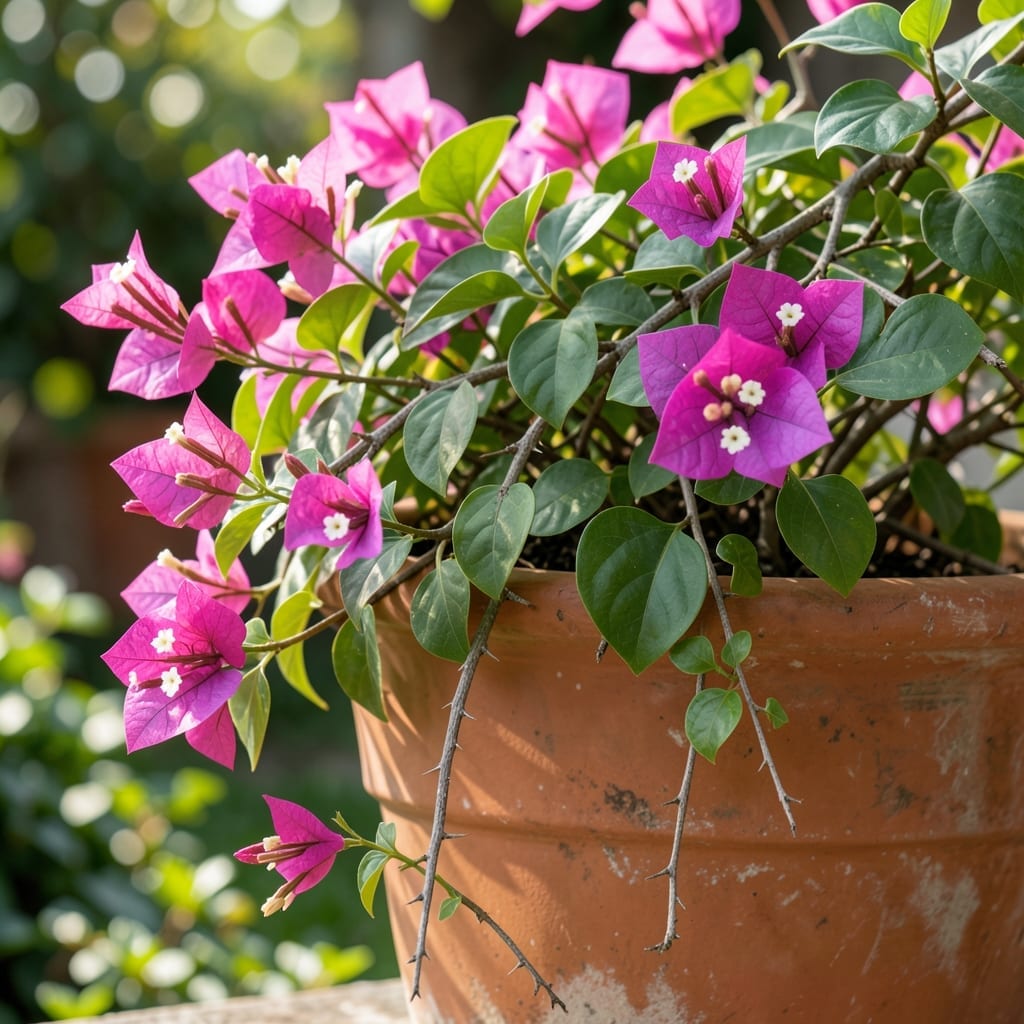
The word traces back to Louis Antoine de Bougainville, the French explorer who discovered the plant in South America. The French spelling was anglicized but kept its complex structure, including the silent “ille” and double “l” that often confuse English speakers. This linguistic inheritance is why it defies standard phonetic rules.
English speakers frequently drop letters or rearrange them, leading to misspellings like “bouganvilla” or “bougainvilla”. The double “n” and “l” are particularly troublesome, as English words rarely stack consonants this way. The final “ea” also trips people up, as it’s pronounced like a simple “a” sound. 🔥
The word contains 5 syllables with emphasis on the third: bou-gain-VIL-le-a. This irregular stress pattern contributes to spelling errors, as people often misplace the accent. The French origin means some letters serve as silent markers of its heritage rather than pronunciation guides.
What most don’t realize is that 12 letters create only 5 spoken sounds. This compression between spelling and pronunciation is rare in English. The “ou” starts with a soft “boo” sound, while the “g” is hard, unlike many French words where it’s silent.
For comparison, consider “bouquet” (another French loanword) which also has silent letters. But bougainvillea takes this further with its length and consonant clusters. The key is remembering it honors a person’s name, not following English spelling conventions. ✨
It’s a French loanword with silent letters and double consonants that don’t follow English phonetic rules. The 12-letter word honors explorer Louis de Bougainville, keeping its complex French structure.
People often drop letters, writing it as “bouganvilla” or “bougainvilla”. Others rearrange letters, like “bougainvillea”. The double “n” and “l” are the biggest culprits.
It has 5 syllables: boo-gan-VIL-le-uh. The stress falls on the third syllable, VIL, which is key to both spelling and pronunciation.
No! Many letters are silent, like the “e” at the end of “ville”. The “ou” sounds like “boo”, and the “g” is hard, as in “garden.”