
Beautiful Plants For Your Interior
Beautiful Plants For Your Interior
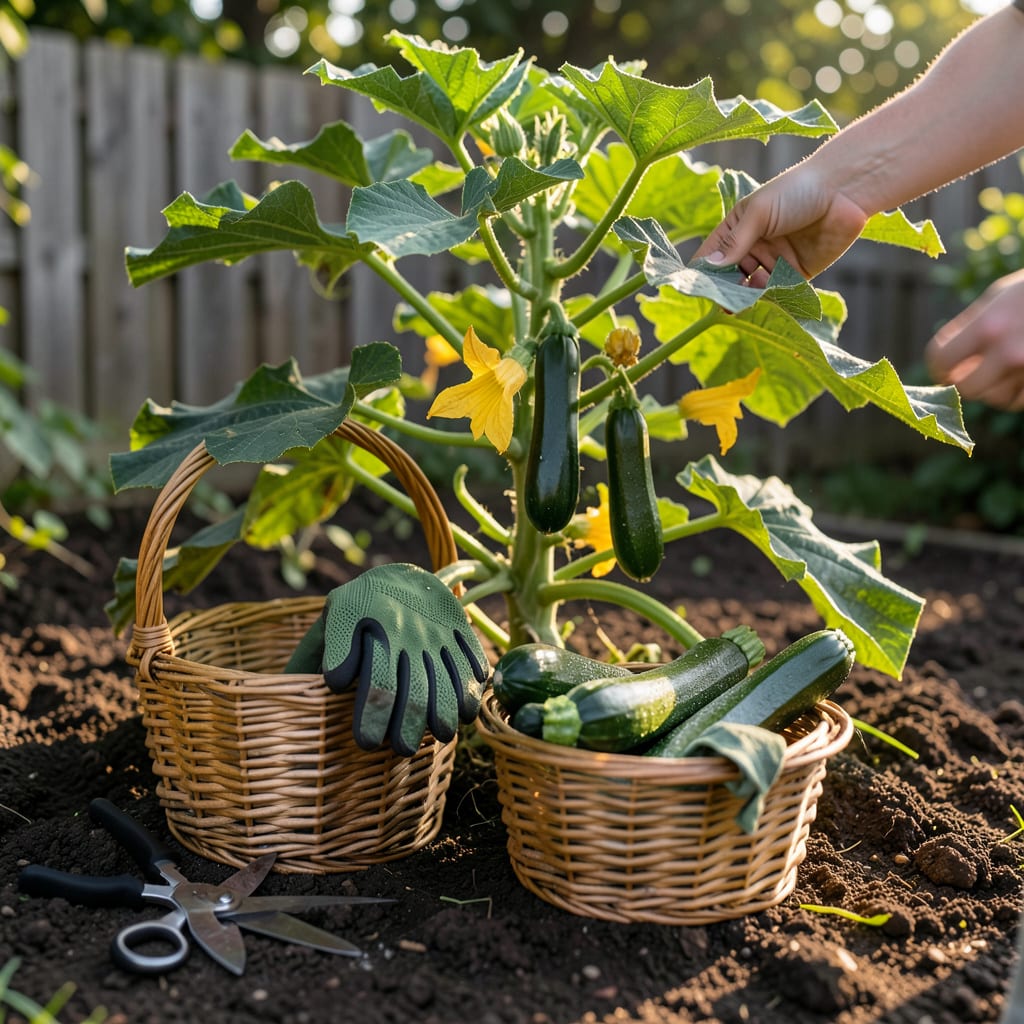
There’s nothing quite like the satisfaction of plucking a perfect zucchini from your garden—firm, flavorful, and ready for your favorite recipes. But how do you know when that moment has arrived? One day too early, and you’re left with a bland, underdeveloped veggie; wait too long, and you’re stuck with a tough, seedy giant.
I’ve spent seasons watching my 🌱 zucchini plants closely, and the signs of readiness are clearer than you might think. From color shifts to skin texture, I’ll walk you through the five unmistakable clues that your zucchini is begging to be picked—so you never second-guess again.


Timing is everything when harvesting zucchini. Wait too long, and you’ll end up with a woody, oversized squash that’s better suited for compost than your table. But how do you spot that perfect window? I’ve learned to rely on five foolproof visual cues that never fail me.
First, forget the calendar—your zucchini won’t consult it. Instead, focus on size, color, texture, and stem condition. These physical traits are far more reliable than counting days. Let’s break down what to look for, starting with the most obvious sign: size.
| Sign | Immature | Ready to Pick | Overripe |
|---|---|---|---|
| Size | Under 4 inches | 6-8 inches | Over 10 inches |
| Color | Pale green | Deep, glossy green | Dull or yellowing |
| Skin Texture | Soft, easily nicked | Firm, smooth | Hard, bumpy |
| Stem | Tightly attached | Snaps cleanly | Woody, cracks |
| Flower End | Flower still attached | Dried, shriveled | Missing or rotten |
💡 Tip: Check plants daily—zucchini can grow 1-2 inches overnight!
The golden size range for most zucchini varieties is 6-8 inches long and about 2 inches in diameter. If you’re growing ‘Eight Ball’ or ‘Ronde de Nice’ (round types), aim for 3-4 inches across. Smaller zucchini are more tender, but don’t confuse tiny with unripe.
Next, examine the color and sheen. A ready-to-pick zucchini boasts a deep, uniform green with a slight gloss. If it’s still sporting pale streaks or looks matte, give it another day. Overripe zucchini often develop yellow patches or a chalky finish.
The skin texture test is my favorite trick. Gently press your fingernail into the skin—it should resist slightly but not feel like armor. If your nail leaves a mark, it’s too soft; if it bounces off, it’s past prime. Perfect zucchini has a smooth, taut surface that’s firm to the touch.
Don’t overlook the stem connection. A zucchini ready for harvest will have a stem that snaps cleanly with a gentle twist. If you’re wrestling with it, the fruit isn’t ready. Conversely, if the stem is dry or cracking, you’ve waited too long.
Finally, check the flower end. The blossom should be wilted and brown, not fresh and vibrant. A lingering flower means the zucchini is still maturing. If the end looks mushy or rotten, the squash is overripe and may harbor mold inside.
I always harvest in the early morning when plants are hydrated and temperatures are cool. Use clean pruners or a sharp knife to avoid damaging the stem, which can invite pests. Leave about 1 inch of stem attached to the zucchini to prolong freshness.
Remember, zucchini plants are prolific producers. Picking regularly—every 2-3 days in peak season—encourages more fruit. If you spot a monster zucchini hiding under leaves, remove it even if it’s overripe. This redirects energy to newer, tastier squash.
Still unsure? Perform the “thumb test”: Press your thumbnail into the skin. If it leaves a slight indentation that bounces back, you’ve hit the sweet spot. No dent means it’s underripe; a permanent mark signals overripeness. With practice, you’ll recognize ready zucchini at a glance!
🪴Even experienced gardeners sometimes misjudge the perfect harvest window. Picking zucchini at the wrong stage doesn’t just affect flavor—it can stunt plant productivity and leave you with disappointing results. Let me walk you through what happens when timing goes awry.
An underripe zucchini is easy to spot but hard to salvage. These small, pale squash lack the sweetness and texture we love. Their seeds are underdeveloped, but the flesh is often watery and bland, making them poor candidates for most dishes.
💡 Perfect zucchini hits the sweet spot at 6-8 inches with firm, glossy skin!
When you harvest zucchini too early, you’re not just getting inferior produce—you’re also signaling the plant to slow production. The plant thinks it hasn’t successfully reproduced, so it may delay forming new flowers. I’ve found that plants recover quickly if this happens occasionally, but repeated early harvesting can reduce your total yield.
On the flip side, overripe zucchini becomes a resource drain. The plant pours energy into developing those massive, seedy squash that nobody wants to eat. Worse, these giants can shade new growth, preventing sunlight from reaching developing fruits. I make it a rule to remove any baseball-bat-sized zucchini immediately, even if I won’t use them.
The seed development tells the real story. In perfect zucchini, seeds are small, flat, and edible. Wait too long, and they become large, hard, and bitter. I once left a zucchini hiding under leaves for a week—when I found it, the seeds were so big I could’ve planted them directly!
Here’s my salvage strategy for less-than-perfect picks: Underripe zucchini can be grated for fritters or blended into soups where texture matters less. Overripe ones? I hollow them out for stuffed squash or grate them (after removing seeds) for bread. The skin of overripe zucchini is often too tough to eat, so peeling becomes necessary.
Remember, your plant’s energy is finite. Every overripe zucchini left on the vine is energy not going to new, tender fruits. I set a reminder to check plants daily during peak season—zucchini grows shockingly fast in warm weather. When in doubt, pick it! A slightly early zucchini is always better than a late one.
Want zucchini so abundant you’re giving them away? The secret isn’t just planting—it’s smart harvesting techniques that keep your plants producing. I’ve turned my zucchini plants into nonstop producers with these proven strategies that maximize yield and quality.
First, commit to daily plant checks during peak season. Zucchini grows shockingly fast—some varieties add 2 inches overnight in warm weather. I make it a habit to inspect plants every morning with my coffee, looking for hidden fruits under those giant leaves.
💡 Bonus: Rotate harvest locations around the plant to encourage even growth!
I’ve found that morning harvesting makes a surprising difference. The fruits are at their crispest and most hydrated after cool nights. Plus, removing fruits early gives the plant all day to redirect energy to new growth. I keep a small basket by my garden gate for easy collection.
Don’t overlook the “ugly” zucchini—those oddly shaped or slightly blemished fruits are often the tastiest. As long as they meet the size and firmness criteria, they’re perfect for eating. I save the picture-perfect ones for gifts and use the character-filled ones in my own kitchen.
As summer progresses, watch for signs of slowing production. Yellowing leaves, fewer flowers, or small fruits that don’t develop often mean the plant is winding down. When this happens, I give plants a nutrient boost with compost tea and reduce watering slightly to encourage a final flush of fruits.
Remember, a single healthy zucchini plant can produce 6-10 pounds of fruit in a season! The key is staying ahead of the harvest. I set phone reminders for my less-frequented garden beds. With these techniques, you’ll be swimming in zucchini from early summer until frost. 🪴
During peak season, inspect plants daily—zucchini can grow 1-2 inches overnight in warm weather. Morning checks are ideal when plants are hydrated and fruits are firmest.
Harvest in the early morning when temperatures are cool and plants are fully hydrated. This ensures crispest texture and minimizes stress on the plant. Avoid midday heat when fruits may be limp.
Overgrown zucchini (over 10 inches) becomes woody and seedy, but you can still use it. Peel the tough skin, scoop out seeds, and grate for bread or muffins. The flavor remains, though texture suffers.
Pale streaks indicate immature fruit that needs more time. Wait until the color deepens to a uniform, glossy green. Uneven color often means uneven ripening—give it another 24-48 hours.
Use clean pruners or a sharp knife to make a clean cut, leaving 1 inch of stem. Twisting can damage the plant. Always sanitize tools between cuts to prevent disease spread.
