
Beautiful Plants For Your Interior
Beautiful Plants For Your Interior
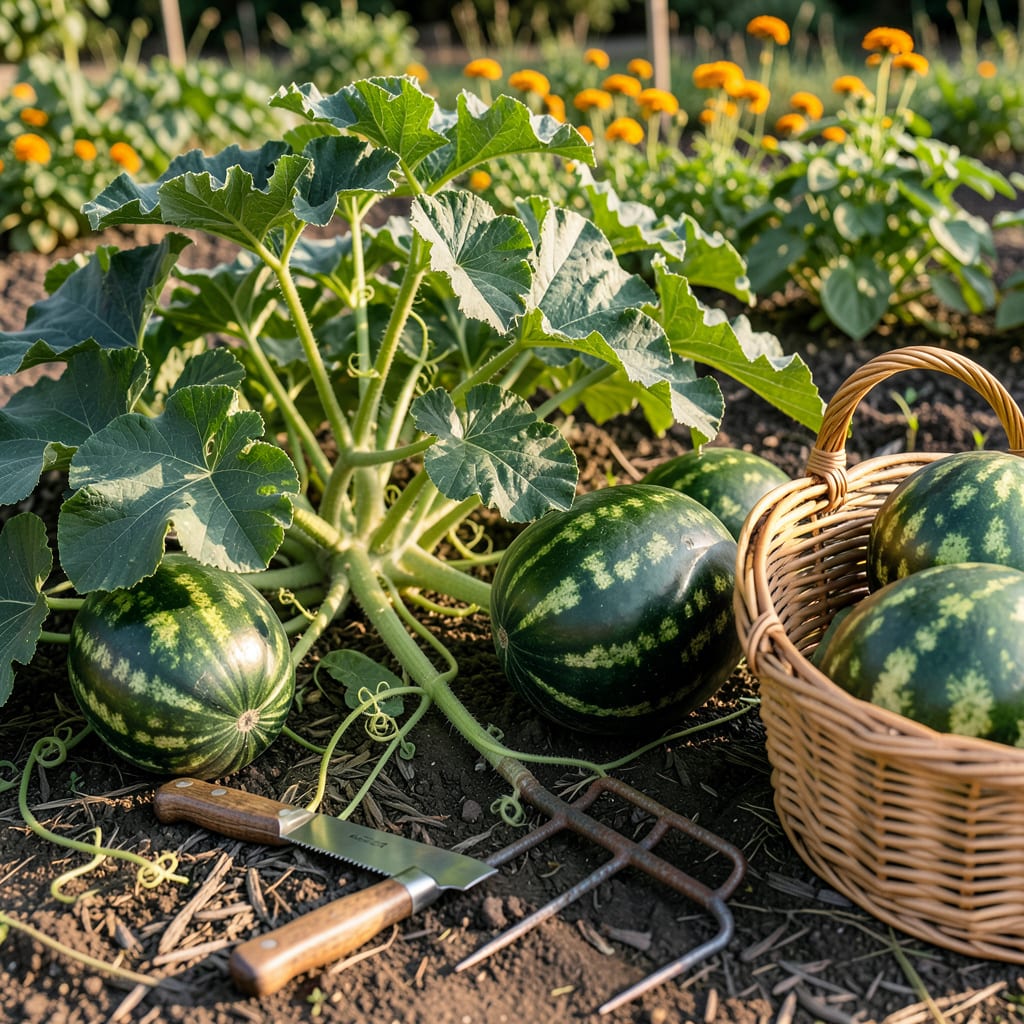
There’s nothing worse than cutting into a watermelon you’ve nurtured for months, only to find it underripe or overripe. That perfect balance of sweetness and crispness depends entirely on timing—and it’s easier to master than you think.
After years of testing (and a few disappointing harvests), I’ve narrowed it down to five foolproof signs that take the guesswork out of picking. Whether you’re growing Crimson Sweet or Sugar Baby varieties, these visual and auditory cues will ensure your 🍉 is juicy, flavorful, and ready for that first satisfying bite.


Even experienced gardeners sometimes misjudge watermelon ripeness. The most common blunder? Relying solely on size or color. A melon might look plump and vibrant, but that doesn’t guarantee sweetness. I’ve seen gardeners harvest bright green watermelons thinking they were ripe, only to find pale, flavorless flesh inside.
Another frequent error is ignoring the stem tendril—that curly vine near the fruit. Many assume all tendrils dry at once, but only the one directly attached to your melon matters. Overlooking this detail can mean picking a week too soon. And don’t forget: sunburn spots (white patches) aren’t ripeness indicators; they’re damage from intense sun.
Timing mistakes often stem from misjudging the ground spot. A true ripe watermelon develops a creamy yellow (not white or pale green) spot where it rests on soil. I’ve watched gardeners harvest melons with tiny white spots, assuming they’d ripen off-vine—only to be disappointed. Remember: watermelons don’t ripen after picking like tomatoes do.
Late-season errors are just as costly. Leaving melons too long leads to split rinds or fermented flesh. In hot climates, I check vines daily once the 80-day mark hits. Pro tip: If you see cracked stems or wilting vines, harvest immediately—your plant is signaling it’s done nourishing the fruit.
For seedless varieties, the rules shift slightly. These often ripen 5-7 days earlier than seeded types but lack the classic “thump” sound. Focus on the tendril test and ground spot color instead. I mark my calendar for Day 70 and start daily checks—seedless melons go from perfect to overripe shockingly fast.
Finally, don’t let eager squirrels or deer make the call for you! I’ve lost count of how many “almost ripe” melons got nibbled because I waited one day too long. When in doubt, harvest slightly early and let it sit at room temp for 24 hours—it won’t get sweeter, but the texture improves.
Your best defense? Keep a garden journal tracking each variety’s progress. Note when you first spot the tendril browning or hear that telltale hollow thump. Next season, you’ll nail the timing like a pro—no more gambling with your homegrown 🍉 harvest! 🌱
Not all watermelons ripen the same way—what works for a Crimson Sweet might mislead you with a Sugar Baby. I’ve grown over a dozen varieties, and each has its quirks. Some develop distinct rind patterns, while others change color dramatically when ready.
The key is knowing your variety’s days to maturity and unique ripeness cues. Seedless types often ripen faster but lack classic signs like a hollow thump. Heirloom varieties might take longer but reward you with deeper sweetness when fully mature. Let’s break down the differences.
| Variety | Days to Maturity | Key Ripeness Sign | Unique Trait |
|---|---|---|---|
| Crimson Sweet | 85 days | Tendril turns brown | Dark green stripes dull when ripe |
| Sugar Baby | 75 days | Ground spot turns golden | Small size (6-8 lbs) but extra sweet |
| Charleston Gray | 90 days | Rind loses glossy shine | Oblong shape, light gray rind |
| Moon & Stars | 95 days | Yellow spots intensify | Heirloom with distinct markings |
| Seedless Hybrid | 80 days | Tendril dries completely | No thump sound; check ground spot |
For seedless varieties, I’ve found the ground spot test is most reliable. These melons often lack the classic hollow thump, so focus on the creamy yellow patch where it touches soil. I check daily once they reach full size—seedless types can overripen in just 24 hours of heat.
Heirloom varieties like Moon & Stars give you visual clues. The yellow “stars” and “moon” markings become more pronounced as they ripen. I’ve noticed these often take 5-7 days longer than the seed packet suggests, so patience pays off with richer flavor.
In hot climates, I adjust my expectations. Varieties like Charleston Gray may ripen 3-5 days earlier than their listed maturity date. When temps exceed 90°F, I start checking at Day 75 instead of waiting the full 90 days. The rind often loses its shine sooner in intense heat.
Pro tip: Keep a variety log in your garden journal. Note when each type first shows ripeness signs and how many days it actually took. Next season, you’ll know exactly when to start checking your Crimson Sweet versus your Sugar Baby—no more surprises! 🌱
Underripe watermelons are disappointingly bland and lack sweetness. The flesh will appear pale rather than deep red/pink, and the texture may be grainy. Unlike tomatoes, watermelons won’t ripen further after picking, so timing is everything.
Yes, overripe melons develop mushy flesh and may even split open. The rind becomes soft, and the flavor turns fermented. In hot climates, check daily after Day 80—leaving them too long attracts pests and reduces quality.
The hollow sound indicates ripeness for most seeded types, but seedless varieties often don’t produce it. For these, focus on the ground spot color (creamy yellow) and tendril drying instead. Pair the thump test with visual checks for best results.
Gently lift the melon to inspect where it rests on the soil. A ripe watermelon will have a golden or creamy yellow patch (not white or pale green). This spot develops as sugars concentrate—it’s one of the most reliable indicators.
Varieties like Sugar Baby mature in 75 days, while others need 90+ days. Heat accelerates ripening—melons may mature 3-5 days earlier in hot climates. Seedless types also ripen faster but require closer monitoring.
