
Beautiful Plants For Your Interior
Beautiful Plants For Your Interior
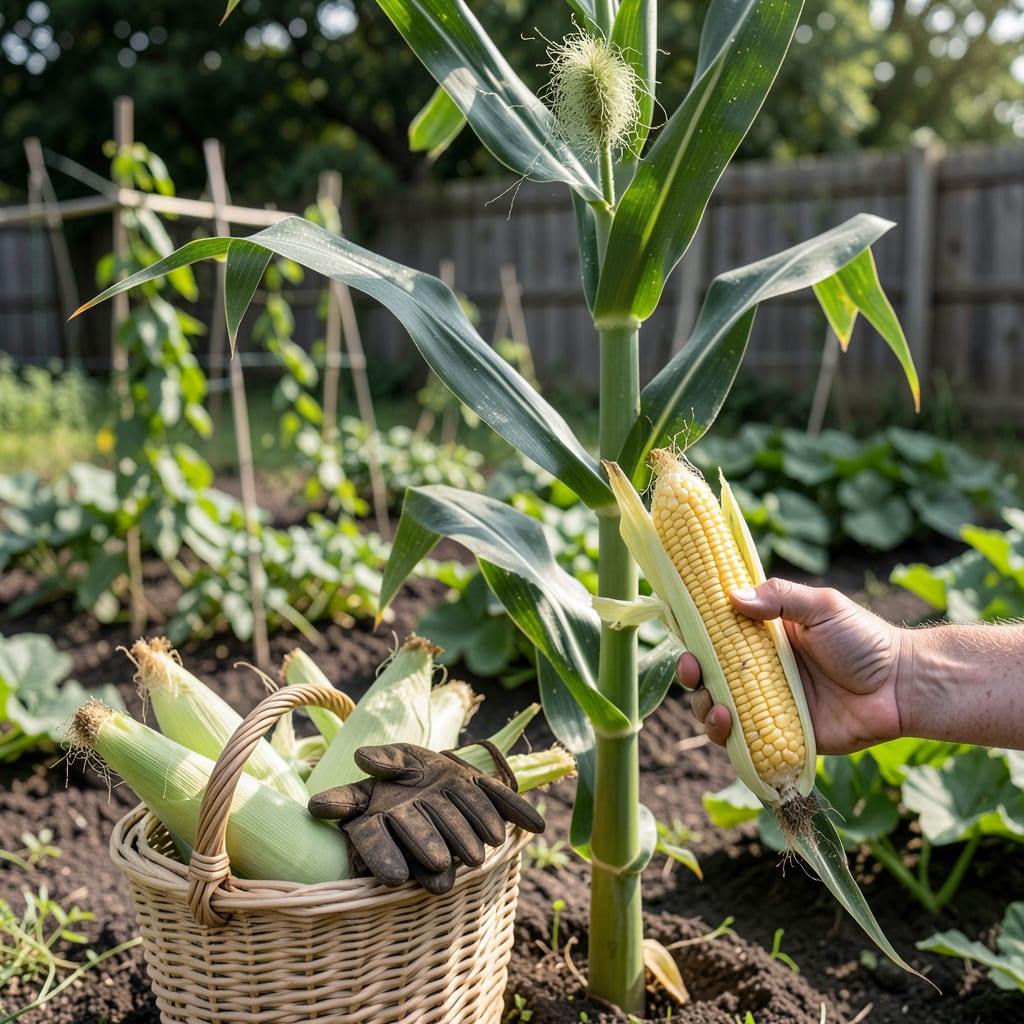
There’s nothing quite like biting into a perfectly ripe ear of corn—sweet, juicy, and bursting with flavor. But pick it too soon or too late, and you’re left with tough, starchy kernels that just don’t hit the mark.
I’ve been there, standing in the garden wondering if my 🌽 is ready. The good news? Corn sends clear signals when it’s at its peak. Let me show you the 3 foolproof signs to look for—so you’ll never second-guess your harvest again.


Nothing beats the satisfaction of harvesting corn at its peak. After years of trial and error, I’ve learned that three key visual signs tell you when it’s time to pick. The best part? You don’t even need to peel back the husk to check most of them. Let’s break down what to look for.
First, pay attention to the silks—those thread-like strands at the top of the ear. When they turn from green to brown and dry, it’s a strong indicator that the kernels are maturing. But don’t stop there; this is just the first clue. You’ll want to combine it with other signs for the best results.
| Sign | What to Look For | Why It Matters |
|---|---|---|
| Silk Color | Brown, dry, and brittle | Signals pollination is complete and kernels are developing |
| Husk Appearance | Slightly yellowed, papery texture | Indicates maturity and easier peeling |
| Kernel Plumpness | Firm, rounded, and tightly packed | Ensures sweetness and ideal texture |
The second sign is the husk’s appearance. As corn ripens, the husk transitions from bright green to a duller, slightly yellowed green. It should feel a bit papery when you run your fingers over it. If it’s still tight and vibrant, the corn needs more time. I like to give the ear a gentle squeeze—a ripe ear feels full and firm.
Finally, check the kernels themselves. Peel back just a small section of the husk near the top to inspect. At peak ripeness, kernels should be plump, glossy, and tightly packed. Press one with your fingernail—if it releases a milky liquid, it’s ready. If it’s clear, wait a few more days; if it’s doughy, you’ve waited too long.
One common mistake is peeling too much of the husk, which exposes the kernels to pests and sunlight. Instead, peel back just 1-2 inches at the top to check. If you’re still unsure, compare ears from the middle of the stalk—they usually ripen first. The top and bottom ears may need an extra day or two.
Timing-wise, corn is typically ready 18-24 days after silking, but this can vary based on the variety and weather. Hot, dry conditions may speed up maturity, while cooler temps can slow it down. I always mark my calendar when I first see silks, then start checking around day 18 for the best results.
If you’re growing multiple varieties, note that sweet corn matures faster than field corn. Sweet varieties like ‘Honey & Pearl’ or ‘Peaches and Cream’ are usually ready in 75-85 days from planting, while field corn can take up to 100 days or more. Always refer to your seed packet for specific timelines.
Once you’ve confirmed these signs, harvest your corn in the early morning for the best flavor. The sugars in the kernels are highest then, giving you that burst of sweetness we all crave. Use a sharp knife or pruners to cut the ear from the stalk, leaving about 1 inch of stem attached to avoid damaging the plant.
After harvesting, store corn in the fridge and eat it within 2-3 days for peak freshness. The longer it sits, the more those sugars convert to starch, leading to a less sweet, more mealy texture. Trust me, nothing compares to corn picked at its prime and enjoyed the same day! 🌽
You don’t need to peel back the husk to know if your corn is ready. I’ve found the finger test is one of the easiest ways to check ripeness without damaging the ear. Simply press your fingernail into a kernel through the husk—if it releases a milky liquid, it’s prime time!
This method works because corn kernels go through a sugar-to-starch transition. Early on, they’re watery; at peak ripeness, they’re milky; and when overripe, they’re doughy. Press gently—you want to feel firm, plump kernels that give just slightly under pressure.
💡 Pro Tip:
For the most accurate test, choose an ear in the middle of the stalk—these tend to ripen first. Avoid the top or bottom ears, which may mature at different rates. If the liquid is clear, wait 2-3 more days before testing again.
Compare the finger test with visual cues for extra confidence. If the silks are brown and dry and the husk feels slightly papery, your corn is likely ready. But if the silks are still green or the husk is tight and bright, give it more time—patience pays off with sweeter kernels.
One mistake I see gardeners make is pressing too hard, which can bruise the kernels. Use your thumbnail or index finger and apply just enough pressure to pierce the kernel’s skin. You’re not testing for softness—you’re checking for that tell-tale milky sap that signals peak sweetness.
Timing matters too. Corn is typically ready 18-22 days after silking, but weather plays a role. Hot, dry conditions can speed up maturity, while cool, wet summers may delay it. I like to start testing around day 18 and check every other day until I get that milky response.
Remember, corn doesn’t continue ripening after picking, so timing is everything. Once you’ve confirmed that milky stage, harvest immediately for the best flavor and texture. And don’t forget—corn tastes sweetest when eaten within hours of picking, so plan your meals accordingly! 🌽
Timing your corn harvest is everything. Pick it too soon, and you’ll end up with underdeveloped kernels that taste watery and bland. Wait too long, and those sweet, juicy kernels turn starchy and tough. After years of growing corn, I’ve seen how even a day or two can make a huge difference.
When corn is picked too early, the kernels are small and release a clear liquid when pierced. This means the sugars haven’t fully developed, leaving you with a less sweet, almost grassy flavor. The texture is also off—kernels feel soft and underfilled, lacking that satisfying crunch we all love.
On the flip side, overripe corn loses its sweet, tender qualities as the sugars convert to starch. The kernels become hard and mealy, almost like uncooked pasta. The husk turns brittle and yellowed, and the silks dry out completely. I once left a batch too long, and the difference in taste was staggering—night and day compared to perfectly timed corn.
Corn reaches its peak sweetness for only a short window—usually 2-3 days. After that, the flavor declines rapidly. That’s why I always check my corn daily once the silks start browning. If you’re growing multiple varieties, keep in mind that sweet corn like ‘Golden Bantam’ or ‘Silver Queen’ holds its sweetness longer than field corn, but it still needs timely harvesting.
Weather plays a role too. Hot, dry spells can speed up the sugar-to-starch conversion, shortening your harvest window. If you’re expecting a heatwave, plan to pick your corn a day or two earlier than usual. Conversely, cool, cloudy weather might give you an extra day of prime sweetness. I’ve found that morning harvests yield the best flavor, as the sugars are most concentrated after a cool night.
If you do end up with overripe corn, don’t toss it—it’s still great for grilling, soups, or cornmeal. But for that classic sweet, juicy bite, timing is everything. Mark your calendar for 18-22 days after silking, then watch those signs closely. Your taste buds will thank you! 🌽
Corn is typically ready 18-24 days after silking, but this can vary. Hot weather may speed it up, while cooler temps can delay it. Start checking around day 18 by testing kernel firmness and silk color.
No, green silks mean the corn isn’t ready yet. Wait until they turn brown and dry—this signals pollination is complete. Picking too early results in watery, underdeveloped kernels with little sweetness.
Harvest in the early morning when sugars are most concentrated. The cool night helps preserve sweetness, giving you the best flavor. Avoid midday heat, which can cause sugars to break down faster.
Keep it in the fridge, unshucked, for 2-3 days max. The longer it sits, the more sugars turn to starch. For peak flavor, eat it the same day you pick it—nothing beats that just-harvested sweetness!
