
Beautiful Plants For Your Interior
Beautiful Plants For Your Interior
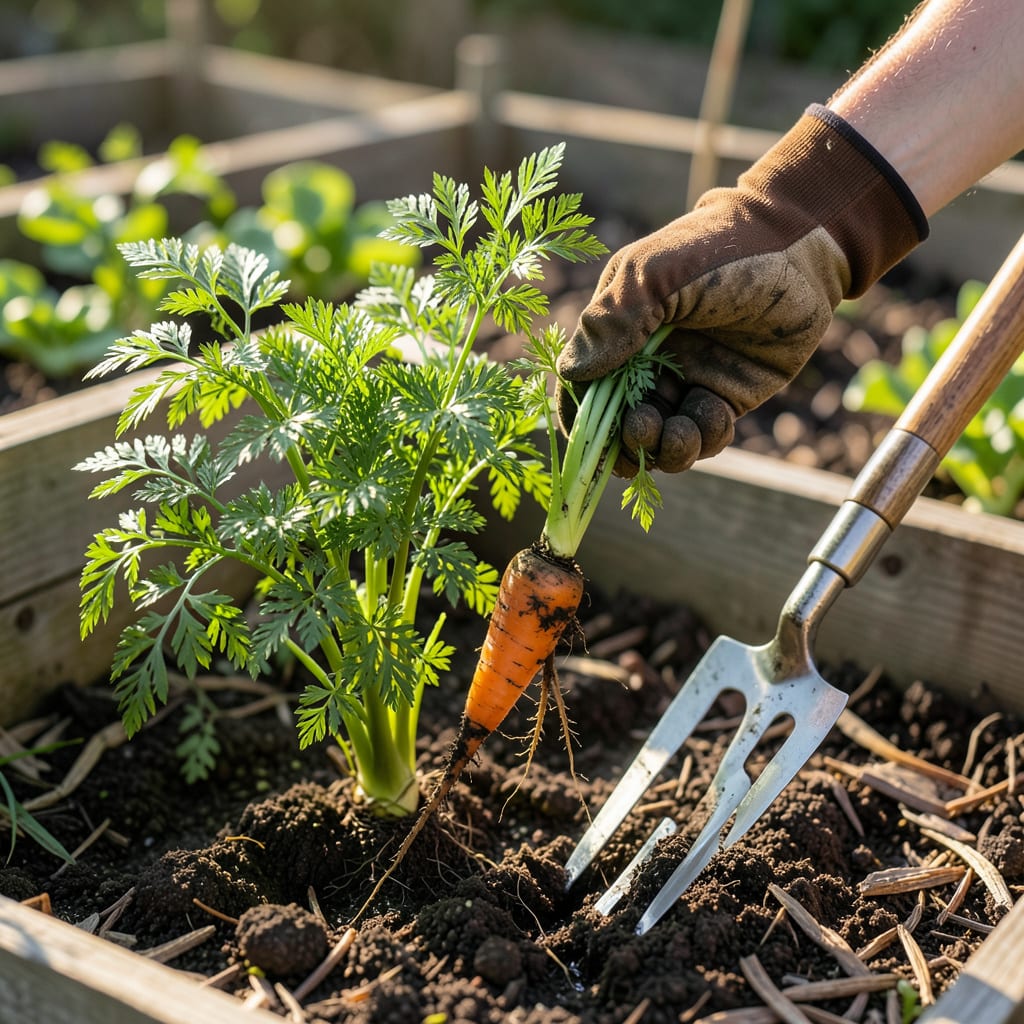
There’s nothing quite like pulling a perfectly ripe carrot from the soil—crisp, sweet, and bursting with flavor. But timing is everything: pick too soon, and you’ll get puny roots; wait too long, and they turn woody or split.
I’ve learned the hard way that guessing just doesn’t cut it. The good news? Your carrots send clear signals when they’re ready—if you know where to look. Let’s break down the 5 foolproof signs so you never second-guess your harvest again.


After weeks of patiently tending your carrot patch, the big question looms: Are they ready yet? The secret lies in reading the subtle (and not-so-subtle) clues your plants are shouting from the soil. Forget guesswork—here’s what to look for.
Most gardeners miss the first visible sign: the shoulder diameter peeking above the soil line. When that orange crown reaches ½ to ¾ inch wide, you’re in the harvest sweet spot. But don’t stop there—your carrots have four more ways of saying, “Pick me!”
Here’s a pro tip I swear by: Use a ruler or coin to measure the exposed shoulder. A quarter (1″ diameter) is your upper limit for most varieties—any larger, and you risk woody texture. Smaller? You’ve got baby carrots, perfect for snappy salads!
Don’t ignore the foliage clues either. If the tops are flopping over or turning brown at the edges, your carrots are past their prime. But if they’re perky and dark green, you’re golden. I once left a row too long, and the roots split from rain—lesson learned!
For fall-planted carrots, watch the weather forecast. A light frost can sweeten them, but a hard freeze ruins the texture. Aim to harvest before temps dip below 28°F. In spring, soil temperature matters more: 60–70°F is ideal for pulling.
Ever heard of the “lift test”? Grasp the foliage near the base and gently wiggle. If the root moves slightly, it’s ready. If it resists, give it another week. This trick saved me from snapping half my crop last season—now it’s my go-to move.
Remember, carrot varieties have different timelines. ‘Paris Market’ (a round type) may be ready at 50 days, while ‘Danvers’ needs 75+ days. Always label your rows with sowing dates to track maturity. I use popsicle sticks with Sharpie notes—simple but effective!
If you’re growing container carrots, check for roots poking out drainage holes. That’s your cue to harvest immediately—they’ve maxed out their space! For in-ground crops, loosen the soil with a fork before pulling to avoid breakage. Twist slightly as you lift for clean removal.
Still unsure? Sacrifice one carrot for a test pull. Slice it open: if the core is tiny and pale, the rest need more time. If it’s firm and orange all the way through, harvest the whole row. This one-carrot test has saved me from disappointment more times than I can count!
Finally, trust your seed packet but verify with your eyes. A 70-day variety might finish in 60 days in warm soil or take 80 days in cooler climates. Keep a garden journal to note differences year to year—you’ll become a carrot-harvesting pro in no time! 🥕
Not all carrots march to the same drum—some sprint to maturity while others take their sweet time. I’ve learned the hard way that ignoring variety-specific timelines leads to either stunted baby roots or overgrown giants. Here’s how to match your harvest to the type.
Early varieties like ‘Paris Market’ (a cute, round carrot) can be ready in just 50–60 days, while ‘Danvers’ types need 75–90 days to reach their full potential. Your seed packet is your best friend—always note the sowing date and count forward from there.
| Variety | Days to Maturity | Ideal Size | Best For |
|---|---|---|---|
| Paris Market | 50–60 days | 1–2″ diameter (round) | Containers, heavy soil |
| Nantes | 65–70 days | 6–7″ long, 1″ wide | All-purpose, sweet flavor |
| Danvers | 75–90 days | 7–8″ long, tapered | Storage, classic shape |
| Imperator | 70–80 days | 8–10″ long, slender | Deep soil, commercial type |
| Chantenay | 65–75 days | 5–6″ long, broad shoulder | Rocky soil, short roots |
*Size and days may vary based on growing conditions.
If you’re growing ‘Nantes’ (my personal favorite), start checking at 60 days—they’re famously sweet when young. But ‘Imperator’ types need the full 80 days to develop their signature length. I mark my calendar with two dates: the earliest possible harvest and the deadline before they risk getting fibrous.
For fall plantings, add 10–14 extra days to the maturity time—cooler soil slows growth. I once pulled my ‘Danvers’ carrots at 80 days in October, only to find they needed another 2 weeks. Now I use a soil thermometer: if it’s below 50°F, I wait.
Here’s a trick for succession planting: Sow early varieties (like ‘Paris Market’) every 2 weeks for a steady supply. Meanwhile, long-season types (like ‘Danvers’) go in once for a late-fall harvest. This way, I’m pulling fresh carrots from July through November!
Don’t forget baby carrots! Many varieties taste amazing at half their full size. I harvest ‘Nantes’ at 4–5 inches for tender snacks, leaving the rest to mature. Just be sure to thin seedlings early—crowding stunts growth and leads to misshapen roots.
When in doubt, pull a test carrot from each variety. Slice it open: if the core is tiny and pale, the rest need time. If it’s deep orange to the center, it’s go time! I keep a permanent marker in my garden toolbox to label harvest dates on my calendar. 🥕
Timing your carrot harvest isn’t just about patience—it’s about avoiding two common pitfalls: pulling too soon or waiting too long. I’ve made both mistakes, and let me tell you, the results are night and day in flavor and texture.
Pick carrots too early, and you’ll end up with pencil-thin roots that lack sweetness. The core remains underdeveloped, giving that unpleasant “green” taste. I once harvested a row at 40 days—big mistake! The carrots were bitter and tough, barely worth eating.
Tip: The perfect window is usually 3–5 days—check daily once signs appear!
On the flip side, overmature carrots develop a woody core as lignin builds up. I left a batch of ‘Danvers’ in the ground for 90 days, thinking bigger was better. Wrong! They were tough as tree branches and split from late-season rains.
The sweet spot is when the root color deepens to vibrant orange and the shoulder measures ½–¾ inch. Miss this window, and you’ll notice the foliage yellowing or flopping over—a clear sign the plant is redirecting energy away from the root.
Here’s my salvage trick for overgrown carrots: Peel the outer layer to remove the woody part. The inner core is often still tender! For underdeveloped ones, I roast them whole—the heat softens the texture. Just don’t expect that crunchy freshness.
Remember, soil temperature affects timing too. In cool fall weather (below 50°F), carrots grow slower but stay sweet longer. In hot summer soil (above 75°F), they mature faster but can turn bitter. I use a soil thermometer to track conditions—it’s saved many a crop! 🌡️
Most varieties are ready when the shoulder diameter (the top of the root) reaches ½ to ¾ inch wide. That’s roughly the size of a quarter. For baby carrots, pencil-thin roots are perfect for tender snacks.
Yes, and it’s a common mistake! Overmature carrots develop a woody core and may split or crack. Watch for yellowing foliage—that’s your cue to harvest immediately. I once lost a whole row to rain-induced splitting!
Cool fall weather (below 50°F) slows growth but sweetens the flavor. Hot summers (above 75°F) speed up maturity but can make them bitter. A light frost enhances sweetness, but a hard freeze ruins texture.
First, loosen the soil with a fork around the roots. Grasp the foliage near the base and wiggle gently while pulling upward. Twist slightly as you lift for clean removal. This trick saved me from snapping half my crop last year!
