
Beautiful Plants For Your Interior
Beautiful Plants For Your Interior
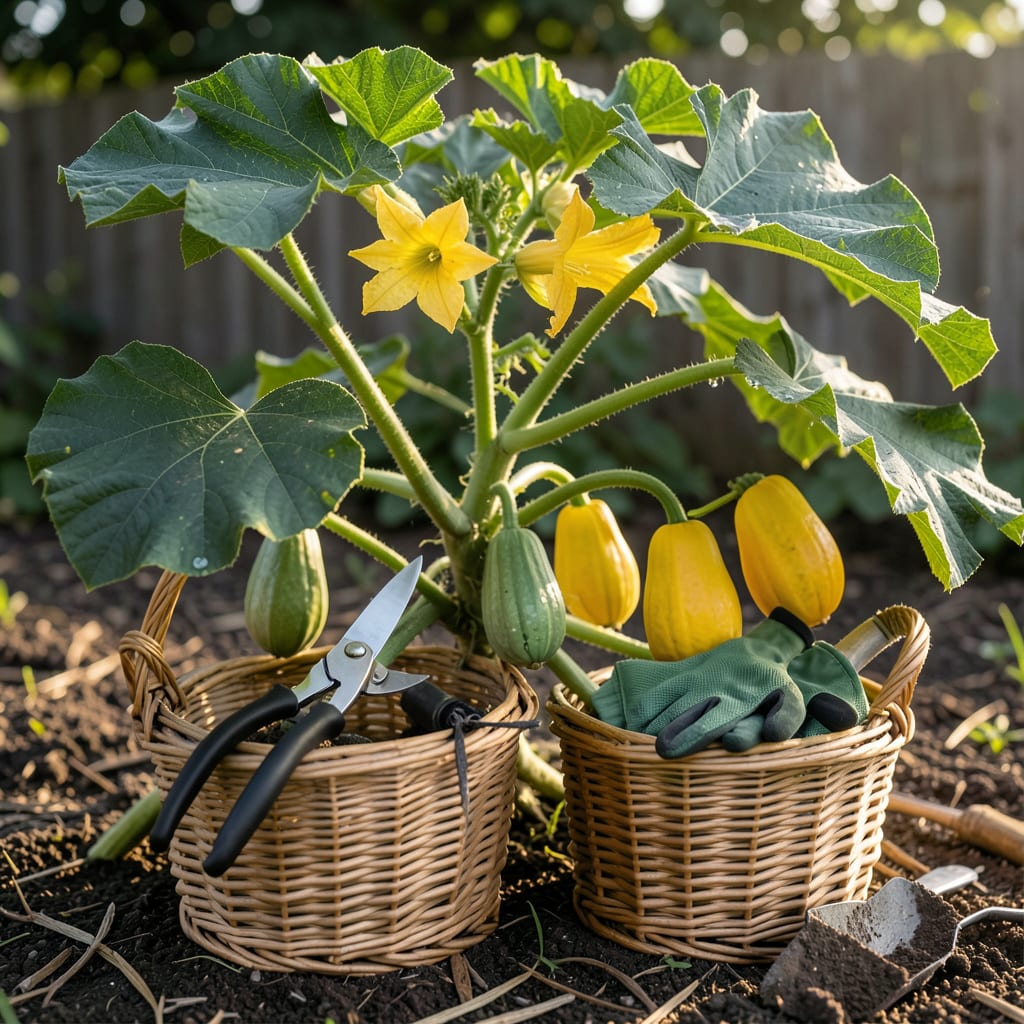
Nothing beats the satisfaction of growing your own spaghetti squash—until you cut into it and realize it’s either rock-hard or mushy. That perfect al dente texture? It all comes down to picking at just the right moment.
After months of tending your vines, the last thing you want is a bland or overripe harvest. I’ll show you the 3 foolproof signs to look for, so you can confidently pluck that 🎃 spaghetti squash at its peak—every single time.


After 90 days of growth, your spaghetti squash will start sending signals it’s ready. The first clue? Color transformation. That vibrant green hue fades into a deep, uniform golden yellow. But don’t rely on color alone—some varieties stay pale.
Next, check the rind hardness. Gently press your fingernail into the skin. If it leaves a mark or punctures easily, it’s not ready. A ripe squash resists pressure like a ripe melon. The skin should feel tough, almost like a hard-shell suitcase.
The stem tells the final story. When ready, it turns woody and brown, drying out where it meets the fruit. Give it a gentle bend—if it snaps cleanly, you’re good to go. Avoid twisting or pulling, which can damage the vine or leave jagged edges.
Size matters too. Most varieties reach 8–12 inches long and weigh 4–8 pounds at maturity. Smaller squash may still be developing, while oversized ones could be past their prime. I always keep a measuring tape in my gardening toolkit for quick checks.
Don’t forget the tap test! Hold the squash and give it a light knock. A hollow sound means it’s ripe, while a dull thud suggests it needs more time. This trick works best on larger fruits where the sound difference is more noticeable.
If you’re still unsure, leave it on the vine a few more days. Spaghetti squash won’t ripen further once picked, so patience pays off. Once harvested, cure it in a warm, dry spot for 10 days to toughen the skin and extend storage life.
Remember, frost is the enemy. If temperatures drop below 50°F, harvest immediately—even if not fully ripe. A light frost can ruin the texture, turning your future “noodles” into mush. When in doubt, err on the side of slightly early and let it cure indoors.
Timing your spaghetti squash harvest isn’t just about texture—it affects flavor, storage life, and even how well it holds up in your favorite dishes. Pick too soon, and you’ll end up with watery, bland strands that lack that signature nutty sweetness.
An underripe squash has soft, pale skin that dents easily under pressure. Inside, the flesh is dense and fibrous, refusing to separate into those coveted spaghetti-like strands. Even after curing, it won’t develop the rich flavor of a fully mature fruit.
Wait too long, and you’ll face the opposite problem: overripe squash turns stringy and mealy. The skin may look perfect, but inside, the flesh becomes fibrous and dry, clinging stubbornly to the seeds. I’ve found overripe squash works best puréed into soups—it’s too tough for “noodles.”
The stem connection is another red flag. If the squash detaches too easily or the stem looks shriveled and black, it’s past prime. These fruits often develop soft spots within days, even in ideal storage. Always harvest before the first frost—cold damage accelerates decay.
Here’s my rule of thumb: When in doubt, harvest slightly early and cure properly. A squash picked at 80% ripeness will often mature off the vine if cured in a warm, dark place for 10 days. But once it’s overripe, there’s no turning back.
Remember, spaghetti squash won’t sweetten after picking like some fruits. What you harvest is what you get, so trust those visual cues we discussed earlier. I keep a gardening journal to track harvest dates each year—it’s the best way to fine-tune your timing for next season! 🪴
Most varieties reach full maturity in 80–110 days from planting. The sweet spot is usually around 90 days, when the rind hardens and color deepens. Check your seed packet for variety-specific timing.
Unlike tomatoes, spaghetti squash won’t ripen significantly after picking. It may develop a slightly harder rind if cured in 80°F heat for 10 days, but flavor and texture won’t improve much. Always aim for vine-ripened.
Press your thumbnail into the rind. If it leaves a mark or punctures easily, it’s not ready. A ripe squash resists pressure like a hard-shell suitcase. This test works best on the blossom end (opposite the stem).
Harvest immediately if frost is forecast—even 50°F can damage the fruit. Frost turns the flesh mushy and ruins storage potential. Cover plants with row fabric if early frost threatens your unripe squash.
Cure in a warm (80°F), dry place for 10 days to toughen the skin. Then store in a cool (50–55°F), dark spot like a basement. Properly cured squash keeps for 3+ months.
