
Beautiful Plants For Your Interior
Beautiful Plants For Your Interior
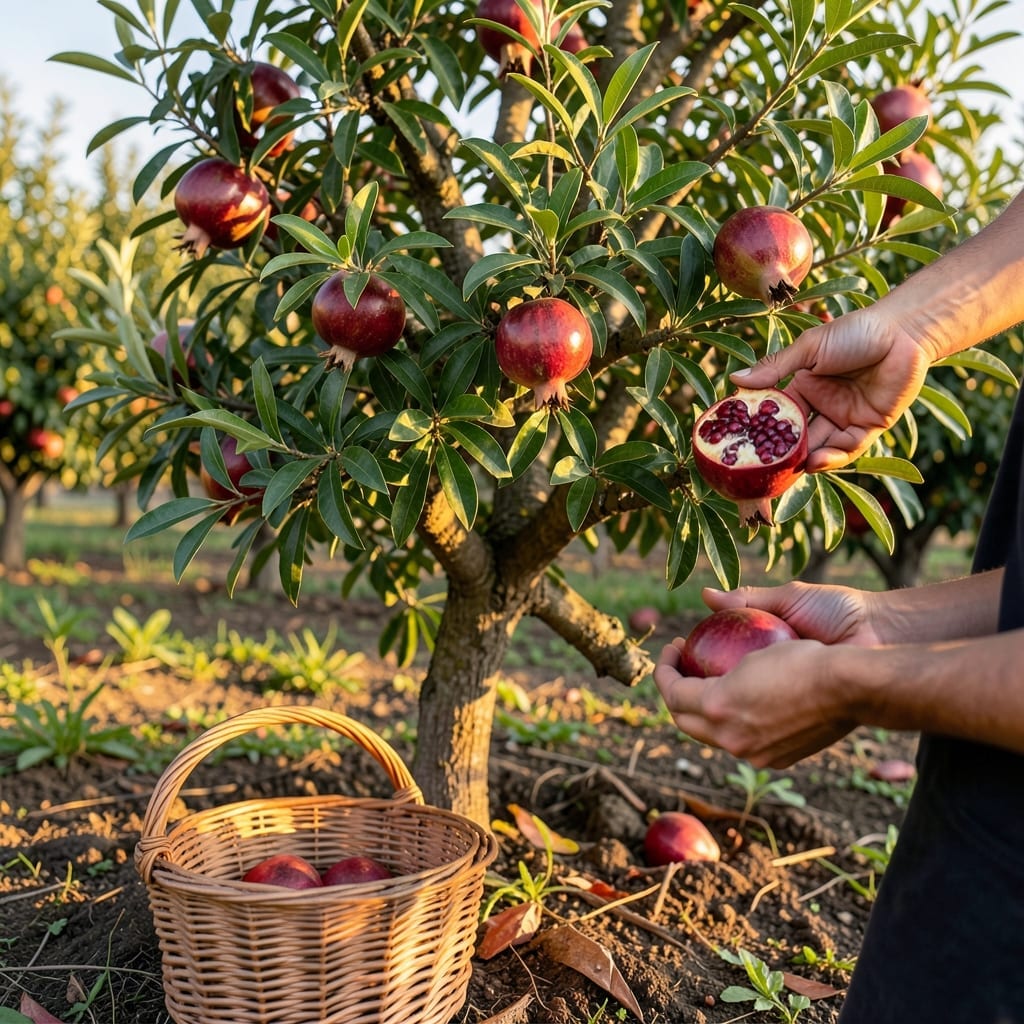
Picking a 🍇 Pomegranate at the perfect stage of ripeness means the difference between tart disappointment and juicy, sweet perfection. Unlike some fruits, Pomegranates don’t continue ripening after harvest, so knowing the exact signs is crucial.
I’ve learned the hard way that color alone isn’t enough. The skin texture and even the sound it makes when tapped can reveal everything. These simple tests take the guesswork out of harvesting.
Discover how to spot the subtle clues that your Pomegranate is ready—no advanced gardening skills required. Let’s make your next harvest the best one yet.


Spotting a ripe pomegranate starts with its color transformation. Most varieties shift from green to a deep red, but some turn yellow or pink. I always check for a uniform hue across the fruit’s surface.
The skin’s texture is another giveaway. A ripe pomegranate develops a slightly leathery feel, losing its initial glossiness. Gently press the fruit—it should yield slightly under pressure without being mushy.
| Sign | What to Look For |
|---|---|
| Color | Deep red, yellow, or pink (depending on variety) |
| Skin Texture | Slightly leathery, not shiny |
| Weight | Feels heavy for size |
Don’t overlook the stem end. A ripe pomegranate often has a dried, brown stem where it attaches to the tree. This is a subtle but reliable indicator that the fruit has reached maturity.
Another trick I use is the twist test. A ripe pomegranate will come off the tree with a gentle twist. If it resists, it’s not ready yet. This prevents damaging the fruit or the branch.
Regional differences matter too. In hotter climates, pomegranates may ripen faster, while cooler areas can extend the timeline. Always cross-check with the harvest window for your specific variety.
For Wonderful pomegranates, the most common variety, look for a deep ruby-red color and a slightly rough skin. These are classic signs it’s time to harvest.
The size of the fruit can also hint at ripeness. Mature pomegranates typically measure 2.5 to 5 inches in diameter. Smaller fruits may still be developing.
If you’re unsure, compare fruits on the same tree. The ripening process isn’t always uniform, but the most mature ones will show the clearest signs first.
Finally, remember that pomegranates don’t ripen after picking. Once harvested, the sugar content and flavor won’t improve, so timing is everything. 🌿
The tap test is my go-to method for confirming ripeness. Hold the pomegranate in your palm and gently tap it with your knuckles. A ripe fruit produces a metallic ringing sound, like a bell.
An unripe pomegranate will sound dull or flat when tapped. This difference in sound occurs because the seeds inside harden and the juice content increases as the fruit matures.
I recommend testing several pomegranates on the same branch. The ripening process isn’t always uniform, and this helps you identify the most mature fruits.
Remember that external factors can affect the sound test. Very cold temperatures might dull the sound temporarily, so perform this test during warmer parts of the day.
For varieties like Wonderful pomegranates, the metallic sound is most pronounced when the fruit is at its peak ripeness. This audio clue often confirms what the color and texture have already suggested.
The tap test works best when combined with the visual signs we discussed earlier. Together, these methods take the guesswork out of harvesting the perfect pomegranate. 🌿