
Beautiful Plants For Your Interior
Beautiful Plants For Your Interior
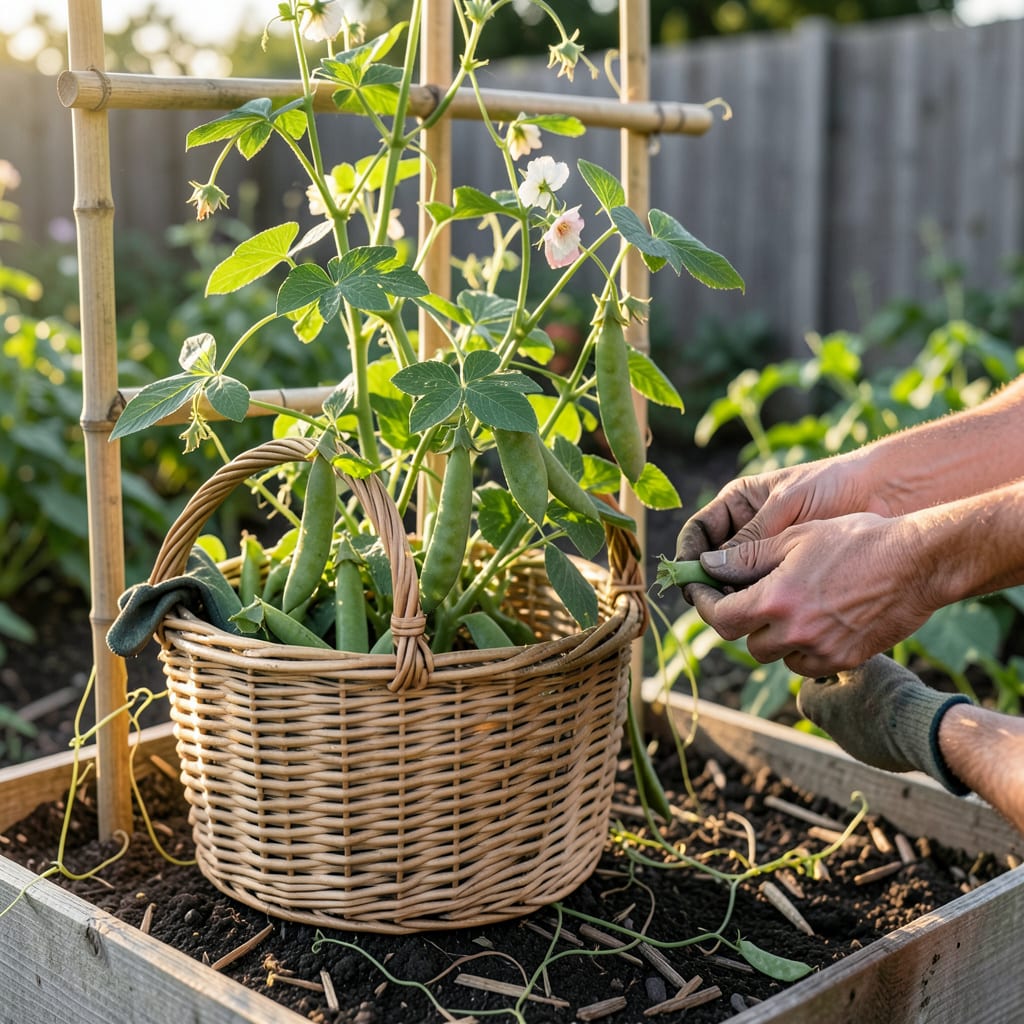
There’s nothing quite like the crisp, sweet burst of a pea pod picked at its peak—but timing is everything. Wait too long, and those tender pods turn starchy and tough. Miss the window, and you’ve lost the best flavor your garden can offer.
After years of testing and tweaking, I’ve learned the subtle signs that separate a perfect pea from an overripe one. Whether you’re growing sugar snaps or shelling peas, I’ll show you exactly what to look for—so you never second-guess your harvest again.


Peas don’t shout when they’re ready—they whisper. The trick is knowing where to look. I’ve found that pod size is the first clue, but it’s the combination of color, texture, and even sound that confirms they’re at their sweetest. Let’s break down the subtle signals.
Different pea varieties have slightly different cues, but the core principles stay the same. Whether you’re growing sugar snaps, shelling peas, or snow peas, these five signs will help you pick them at their peak. Trust me, your taste buds will thank you.
| Stage | Pod Appearance | Texture | Action |
|---|---|---|---|
| Too Early | Pale green, under 2 inches | Soft, bends easily | Leave on plant |
| Perfect Time | Bright green, 4-6 inches | Firm, snaps crisply | Harvest immediately |
| Overripe | Dull green, bulging seeds | Tough, fibrous | Use for compost |
The snap test is my favorite trick. Gently bend a pod—if it breaks cleanly with a crisp snap, it’s ready. If it bends like rubber, give it another day or two. For shelling peas, the pod should feel plump but not swollen.
Color matters more than you think. Bright green pods with a slight sheen are ideal, while dull or yellowing pods have passed their prime. I check my plants every morning during harvest season because peas can go from perfect to overripe in just 24-48 hours.
Size varies by variety, but most peas hit their stride at 4-6 inches long. Sugar snaps are ready when the peas inside are just visible as tiny bumps. Shelling peas should have pods that feel full but aren’t splitting at the seams—that’s your sign they’ve waited too long.
Don’t ignore the plant’s behavior. When pea vines start yellowing at the base or pods appear less frequently, the plant is telling you it’s shifting energy from production to seed maturation. This is your cue to harvest aggressively—every pod left unpicked signals the plant to stop producing.
For snow peas, harvest when pods are flat and you can see the outline of peas inside. They should be tender enough to eat pod and all. Snap peas get a bit more leeway—they’re best when the peas are half their full size, but the pod is still crisp.
Timing changes with weather. In cool spring conditions, peas mature slower, giving you a wider harvest window. But when temperatures climb above 75°F, they’ll ripen faster—sometimes overnight. I keep a harvest journal to track these patterns year to year.
Remember: regular picking encourages more production. I aim to harvest every 2-3 days during peak season. Use two hands—one to hold the vine, one to pinch the pod—to avoid damaging the plant. Store picked peas in the fridge immediately to preserve that garden-fresh sweetness.
If you’re still unsure, taste-test! Pop a pea straight from the vine. If it’s sweet and tender, you’ve nailed it. If it’s mealy or starchy, you’ve waited too long. Next time, you’ll know exactly what to look for. 🌱
Even experienced gardeners sometimes miss the mark with peas. I’ve made my share of mistakes—like waiting for pods to “fill out” completely, only to end up with tough, mealy peas. The good news? These errors are easy to fix once you know what to watch for.
Most pea problems stem from timing misjudgments or rough handling. Let’s tackle the biggest offenders so you can avoid the heartbreak of a ruined harvest. Your future self (and your taste buds) will thank you. 🌱
Fix these, and you’ll double your harvest quality!
The #1 mistake I see? Waiting for peas to “look bigger.” Those plump, bulging pods you’re admiring are actually overripe. Peas reach peak sweetness when pods are firm and bright green, not when they’re bursting at the seams. Check daily once pods appear.
Another common error: harvesting with one hand. Yanking pods off the vine tears stems and reduces future production. Always use two hands—one to steady the vine, one to gently pinch the pod’s stem. I keep a small pair of clean pruners handy for stubborn pods.
Weather plays tricks too. In hot weather (above 75°F), peas mature faster than you’d expect. What was perfect yesterday might be tough today. I set a phone reminder to check plants every morning during heatwaves. Cool, cloudy days give you more leeway—sometimes an extra 24 hours.
Don’t overlook the “hidden pods” at the plant’s base. These mature first but often get missed under foliage. I do a weekly “treasure hunt” with a flashlight to spot them. Leaving these on the plant signals it to stop producing new pods—costing you up to 30% of your harvest.
Finally, post-harvest handling matters. Peas start converting sugar to starch within hours of picking. I immediately rinse and refrigerate them in a paper towel-lined container. Avoid plastic bags—they trap moisture and turn peas slimy. For best flavor, eat within 2-3 days of harvesting. 🌿
Not all peas play by the same rules. I’ve grown everything from delicate snow peas to hearty shelling peas, and each has its own perfect picking window. The key is knowing your variety’s personality—some like to be picked young, while others need extra time to sweeten up.
Most seed packets list days to maturity, but I’ve found real-world conditions often shift that timeline. Cool springs might delay harvest by a week, while early heatwaves can rush it. Here’s my cheat sheet for the most popular types, based on years of trial (and a few errors!).
| Variety | Days to Harvest | Pod Size at Peak | Harvest Tip |
|---|---|---|---|
| Snow Peas | 55-60 days | 2-3 inches, flat | Pick before peas swell |
| Snap Peas | 60-70 days | 3-4 inches, plump | Harvest when peas visible |
| Shelling Peas | 65-80 days | 4-6 inches, rounded | Wait until pods feel full |
Snow peas are the speedsters of the pea world. I start checking them at day 50, looking for flat pods where the peas inside are just tiny bumps. The moment they start to swell, they’ve crossed into snap pea territory—still edible, but not the delicate treat you planted them for.
Snap peas give you a bit more wiggle room. Their pods should be crisp enough to eat whole, with peas that have started to form but aren’t pressing against the pod walls. I use the “thumb test”: press gently on the pod. If it gives slightly but springs back, it’s perfect. If it stays dented, you’ve waited too long.
For shelling peas, patience pays off. These varieties need the full 65-80 days to develop their sweetness. The pods will feel heavy for their size, and you’ll see the outline of rounded peas through the skin. Don’t wait until the pod splits—that’s nature’s way of saying, “You missed it!” I’ve found that morning harvests yield the crispiest pods, as peas plump up overnight.
Pro tip: Succession planting extends your harvest. I sow a new batch every 2 weeks until early summer. This staggers maturity dates, so I’m not overwhelmed with peas all at once. And always mark your planting dates in a garden journal—it’s the only way to predict harvest windows accurately next season. 🌿
Check your plants every 1-2 days once pods start forming. Peas can go from perfect to overripe in just 24-48 hours, especially in warm weather. Morning checks are ideal since pods are crispest after cool nights.
Snow peas and snap peas can be eaten pod and all when picked at the right stage. For shelling peas, you’ll want to remove the peas from the pod first. Always rinse them to remove any garden debris before eating.
Overripe peas become starchy and tough, losing their sweetness. The pods turn dull green, bulge with oversized peas, and develop fibrous strings. They’re still edible but better suited for soups than fresh eating.
Early morning is ideal, when temperatures are cool and pods are most crisp. The peas have absorbed moisture overnight, making them plump and sweet. Avoid harvesting in midday heat when plants are stressed.
