
Beautiful Plants For Your Interior
Beautiful Plants For Your Interior
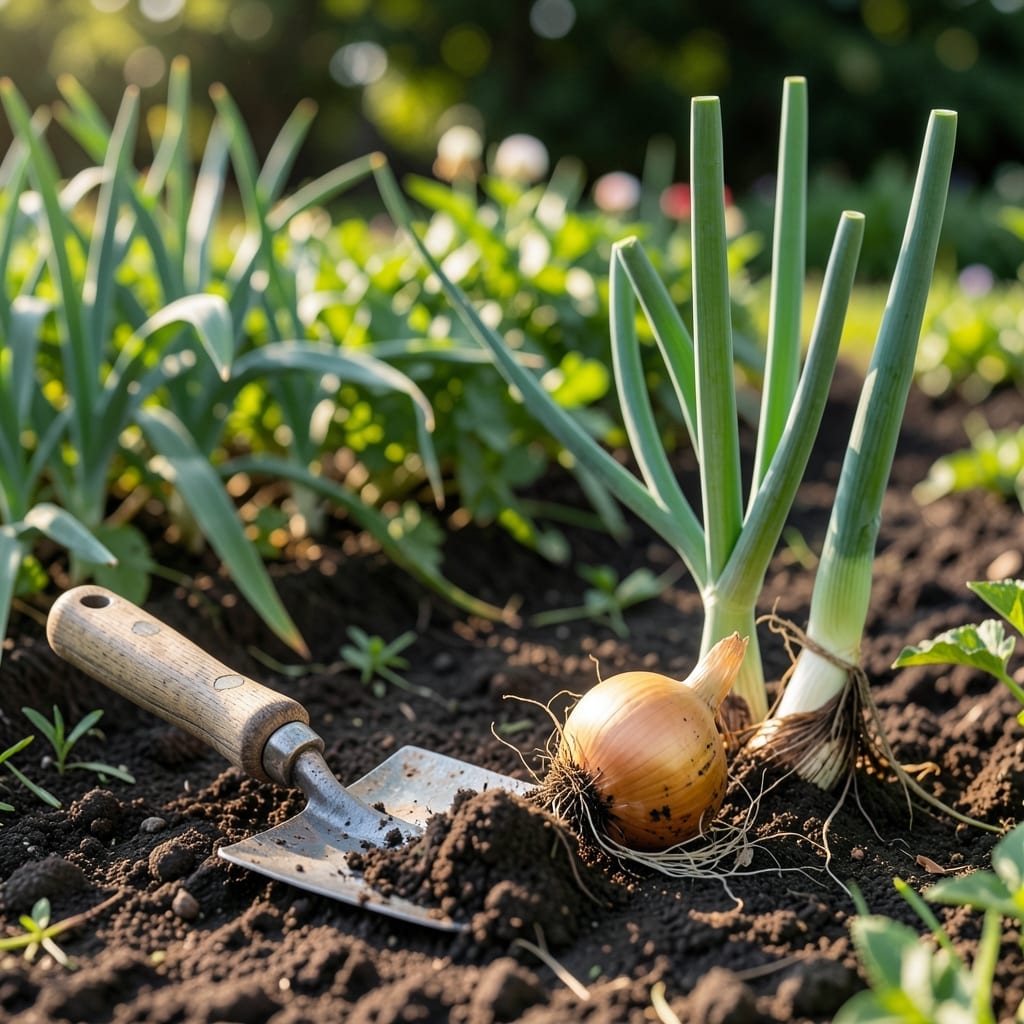
Nothing ruins a gardener’s hard work like harvesting 🧅 Onion crops too early—or too late. Timing is everything when it comes to getting that perfect flavor and storage life.
I’ve seen too many gardeners miss the ideal window, ending up with underdeveloped bulbs or ones that spoil quickly. The good news? Your onions will actually tell you when they’re ready.
Discover the subtle signs—from foliage changes to bulb firmness—that signal it’s time to pull them from the soil. Let’s make this harvest your best yet.


Timing your onion harvest perfectly starts with reading the visual cues your plants provide. I always watch for the first sign: foliage yellowing at the tips, which means maturity is near.
The most reliable indicator is when 50-80% of the tops fall over naturally. This typically happens 90-120 days after planting, depending on the variety and growing conditions.
| row”> | cell” style=”border: 1px solid #e0e0e0; padding: 12px 16px; text-align: left; vertical-align: top;”>Natural wilting signals maturity |
|---|---|
| cell” style=”border: 1px solid #e0e0e0; padding: 12px 16px; text-align: left; vertical-align: top;”>Stem just above bulb weakens | |
| row”> | cell” style=”border: 1px solid #e0e0e0; padding: 12px 16px; text-align: left; vertical-align: top;”>Reaches expected diameter |
Don’t rush the process. If green tops remain upright and firm, your onions aren’t ready. I’ve learned that forcing the tops down artificially can lead to stunted bulb development.
Another key sign is the neck softening just above the bulb. When the stem loses its rigidity and begins to collapse, it’s a clear signal that the bulb has finished growing.
The outer skin also changes from glossy to dry and papery. This transformation helps protect the bulb during storage, so it’s crucial to wait for this stage.
For sweet onion varieties, I recommend checking bulb size as they often don’t show as much top dieback. When they reach 2-3 inches in diameter, they’re typically ready for harvest.
Remember that weather conditions can affect these signs. A period of dry, warm weather often accelerates the maturation process, while cool, wet conditions might delay it.
Finally, if you’re growing onions from sets rather than seeds, they may mature 2-3 weeks earlier. Always keep a garden journal to track your specific variety’s timeline.
By combining these visual cues with your planting date, you’ll develop an instinct for the perfect harvest window every time. ☀️
Not all onion varieties mature at the same rate, and their harvest signs can vary significantly. I’ve learned to adjust my approach based on whether I’m growing green onions, bulb onions, or sweet varieties.
Green onions are the quickest, often ready in 60-80 days. You can harvest them when the tops reach 6-8 inches tall, pulling the entire plant or just the green shoots as needed.
| Onion Type | Harvest Time | Key Sign |
|---|---|---|
| Green Onions | 60-80 days | 6-8 inch tops |
| Bulb Onions | 90-120 days | Tops fall over |
| Sweet Onions | 100-120 days | 2-3 inch bulbs |
Bulb onions take longer, usually 90-120 days, and are ready when their tops yellow and fall over. This is the most reliable sign for these varieties.
Sweet onions, like Vidalia or Walla Walla, often need 100-120 days and may not show as much top dieback. I check their bulb size—when they reach 2-3 inches in diameter, they’re ready.
Regional climate differences also play a role. In warmer zones, onions may mature faster, while cooler areas might extend the growing season. Always monitor your plants closely.
If you’re growing from seeds, add 2-3 weeks to these timelines, as they take longer to establish than onion sets. Keeping a garden journal helps track these variations year to year. 🌱