
Beautiful Plants For Your Interior
Beautiful Plants For Your Interior
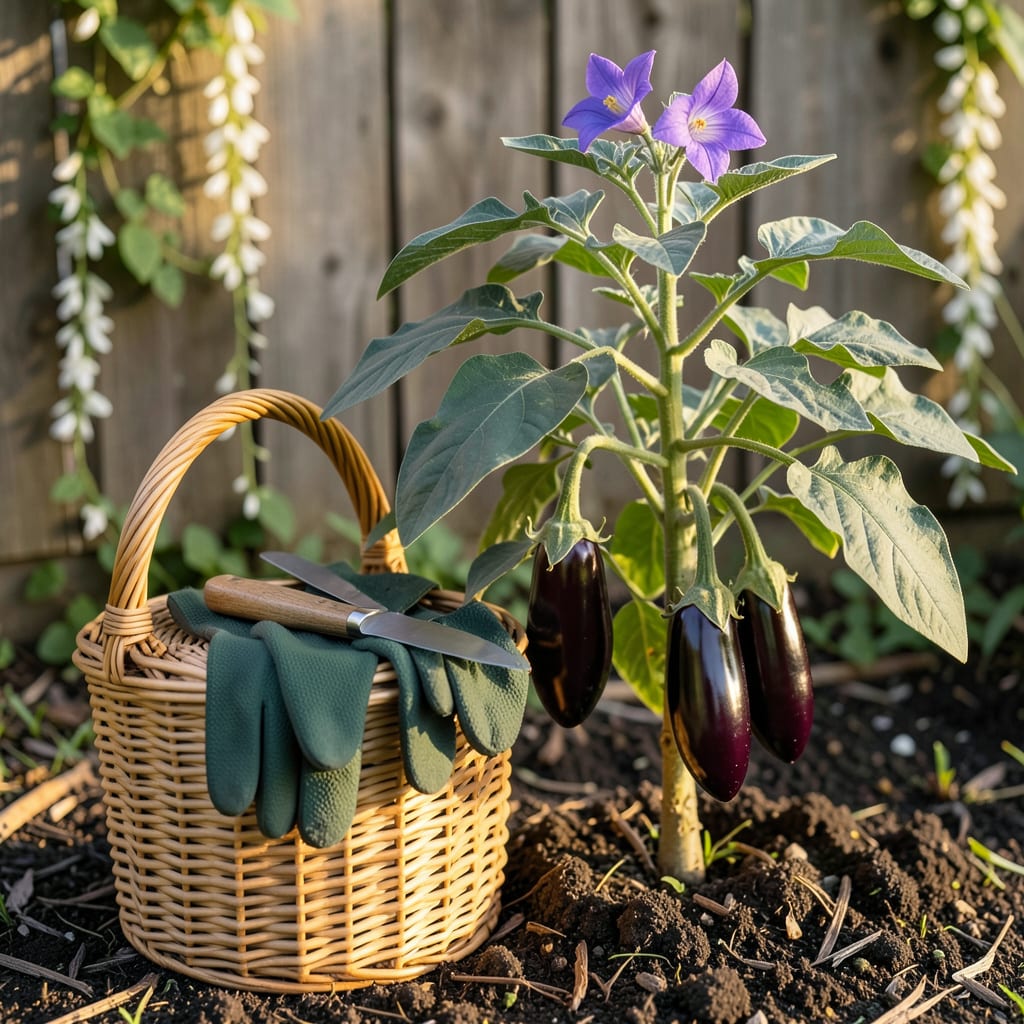
There’s nothing worse than cutting into an eggplant only to find it’s bitter, seedy, or disappointingly tough. That perfect balance of tender flesh and rich flavor hinges on one critical moment: knowing exactly when to harvest.
With varieties like Black Beauty and Ichiban behaving differently, it’s easy to second-guess yourself. But I’ll let you in on the 5 foolproof signs—from color shifts to the “thumb test”—that guarantee your 🍆 is ready. No more guessing games, just perfect picks every time.


Timing is everything when it comes to eggplants. Pick them too soon, and you’ll end up with a bitter, rubbery disappointment. Wait too long, and the seeds turn tough while the flesh becomes spongy. The sweet spot? Look for these 5 key indicators that work across varieties like Black Beauty, Ichiban, and White Egg.
First, forget the calendar—your eggplant’s appearance and texture are the real clues. I’ve found that even experienced gardeners overlook subtle signs like skin glossiness or the way the fruit responds to gentle pressure. Let’s break down what to watch for, starting with the most obvious (but often misunderstood) signal: color changes.
*Tip: Japanese varieties (like Ichiban) mature faster—check daily once they reach full size.
The thumb test is my go-to for confirming ripeness. Gently press your thumb against the eggplant’s skin. If it leaves a slight indentation that bounces back, it’s ready. No give? It needs more time. If the indentation stays, you’ve waited too long. This works because the cell walls soften as sugars develop.
Next, examine the stem and calyx (the green cap where the fruit attaches). A ready eggplant will have a stem that’s still green but starts to dry slightly at the base. If the calyx is tightly closed, wait a few days. When it begins to curl outward, harvest within 24 hours for peak flavor.
Don’t ignore the sound test—tap the eggplant lightly. A ripe one emits a hollow, drum-like sound, while an unripe fruit sounds dense. This trick works best for larger varieties like Black Beauty. Pair it with the thumb test for double confirmation.
Size matters, but it’s variety-specific. Ichiban eggplants should be pencil-thin and long, while Globe types (like Black Beauty) need to reach tennis-ball width. Measure against the seed packet’s specs—eggplants won’t keep growing once mature, so oversized fruit is usually overripe.
Finally, check the skin’s glossiness. A healthy sheen indicates peak ripeness, while dull skin suggests it’s past prime. White Egg varieties are the exception—they develop a creamy matte finish when ready. If you spot brown streaks or wrinkles, harvest immediately to salvage what you can.
Pro tip: Harvest in the early morning when temperatures are cool. The fruits are crispest then, and the plant suffers less stress. Use pruning shears (not your hands) to cut the stem cleanly, leaving about an inch attached to prevent rot during storage.
If you’re still unsure, pick one test eggplant and slice it open. The seeds should be tiny and soft—if they’re large and dark, the rest need more time. Remember, eggplants ripen quickly in hot weather, so check your plants every other day once they start coloring up.
With these signs, you’ll never second-guess your harvest again. The reward? Tender, sweet eggplants with minimal seeds and maximum flavor. Now that you know what to look for, let’s tackle what happens when timing goes wrong—and how to fix it. 🌱
Even the most attentive gardeners sometimes mistime their eggplant harvest. I’ve learned the hard way that picking just a day too early or a day too late can drastically change the flavor and texture. Underripe eggplants are notorious for their bitter taste and rubbery flesh, while overripe ones develop tough seeds and spongy interiors.
Let’s start with the consequences of harvesting too soon. An unripe eggplant has immature seeds that haven’t fully developed, leading to a harsh, astringent flavor. The flesh is also denser and less absorbent, making it resistant to cooking methods like grilling or roasting. If you’ve ever wondered why your eggplant dishes turned out tough, early picking is often the culprit.
*Pro tip: Ichiban varieties decline fastest—harvest within 24 hours of peak ripeness.
Overripe eggplants present their own challenges. The flesh becomes watery and mealy, almost like a overripe tomato. Those once-tiny seeds swell into dark, woody bits that ruin the eating experience. I’ve found that overripe eggplants also attract pests faster, as their sugar content spikes and skin weakens. If you spot brown streaks or soft spots, it’s past prime.
The stem test reveals a lot about timing. An underripe eggplant has a stem that’s firmly attached with no give when twisted. At peak ripeness, the stem separates with gentle pressure. If the stem snaps off with no resistance or the calyx (green cap) is fully browned, you’ve waited too long. This is especially critical for White Egg varieties, which show fewer visual cues.
Climate plays a role in ripening speed. In hotter zones (USDA 7+), eggplants can go from perfect to overripe in just 2-3 days. Cooler climates (Zones 5-6) give you a 4-5 day window. I always mark my calendar for 60-75 days after transplanting as the “watch closely” period. Japanese varieties like Ichiban mature faster—sometimes in as little as 50 days—so daily checks are essential.
If you’ve harvested too early, don’t despair. Try saltwater soaking (1 tbsp salt per cup of water) for 30 minutes to reduce bitterness. For overripe eggplants, remove the seeds and use the flesh in purees or sauces where texture is less noticeable. The key is acting fast—once picked, eggplants degrade quickly at room temperature. Store them in the crisper drawer (unwashed) for up to 5 days.
Remember, eggplants don’t ripen off the vine like tomatoes. What you pick is what you get, so when in doubt, err on the side of early and do the thumb test. With practice, you’ll recognize that perfect moment when the skin glows, the stem yields just slightly, and the fruit feels heavy for its size. That’s your golden ticket to the best flavor and texture. 🌿
Harvesting eggplants the right way ensures you don’t harm the plant—or your future harvests. I’ve seen gardeners accidentally pull entire branches when yanking fruit, which stresses the plant and reduces yield. The key is using the proper technique and tools to make clean cuts while keeping the plant productive.
Start by gathering the right equipment. A pair of sharp pruning shears or a clean knife works best—never use your hands. Eggplant stems are woody and can snap unpredictably, damaging the plant. I also recommend wearing gloves if you’re sensitive to the prickly calyx (the green cap on top of the fruit). Early morning is ideal for harvesting, as the plants are hydrated and less stressed by heat.
Cut—don’t pull! Use pruning shears to snip the stem 1 inch above the fruit. This prevents tearing the plant’s vascular system, which can invite disease and reduce future yields.
Why it works: Clean cuts heal faster, and leaving a short stem stub prevents moisture loss in storage.
Position your shears at a 45-degree angle about 1 inch above the eggplant’s cap. This angle helps water run off the stem, reducing rot risk. Make the cut in one smooth motion—no sawing, which can fray the stem. If you’re using a knife, sterilize it with rubbing alcohol first to prevent spreading plant diseases. I like to hold the fruit gently with my free hand to steady it during cutting.
After harvesting, inspect the plant for new flower buds or small fruit. These are your next harvest! Remove any yellowing leaves or damaged stems to redirect the plant’s energy. A light application of balanced fertilizer (like 10-10-10) after harvesting can encourage more fruit production. Water the plant deeply to help it recover from the stress of harvesting.
Store your eggplants unwashed in the fridge’s crisper drawer, where they’ll keep for 5-7 days. If you’ve harvested more than you can use, eggplants freeze well when sliced and blanched first. Avoid stacking them, as they bruise easily. For immediate use, rinse just before cooking—never soak, as they absorb water like sponges, diluting flavor.
To keep your plant producing, harvest every 2-3 days during peak season. Regular picking signals the plant to produce more fruit. In my garden, I’ve found that Ichiban varieties respond especially well to frequent harvesting, often yielding fruit until the first frost. With the right technique, you’ll enjoy a steady supply of perfect eggplants all season long. ✂️
Check your plants every 2-3 days once they start developing color. In hot climates (USDA Zones 7+), daily checks are ideal since they can ripen in just 48 hours. Japanese varieties like Ichiban mature faster, so monitor them closely once they reach full size.
Small eggplants can be harvested if they’ve reached their variety’s mature size (e.g., 6-8 inches for Black Beauty). However, picking too early results in bitter flavor and tough texture. Always check the thumb test and color before harvesting undersized fruit.
Early morning is ideal for harvesting. The plants are fully hydrated, and the fruits are crispest. Avoid midday heat when plants are stressed. Use pruning shears for clean cuts, leaving 1 inch of stem attached to prevent moisture loss during storage.
Overripe eggplants develop dull, wrinkled skin and feel spongy when pressed. The seeds become large and tough, while the flesh turns mealy. If the stem snaps off with no resistance or the calyx turns brown, it’s past prime. Harvest immediately if you notice these signs.
Black Beauty turns deep purple-black, while Ichiban stays vibrant purple but grows longer. White Egg varieties develop a creamy matte finish. Always refer to your seed packet for variety-specific size and color cues. Different types also mature at different rates.
