
Beautiful Plants For Your Interior
Beautiful Plants For Your Interior
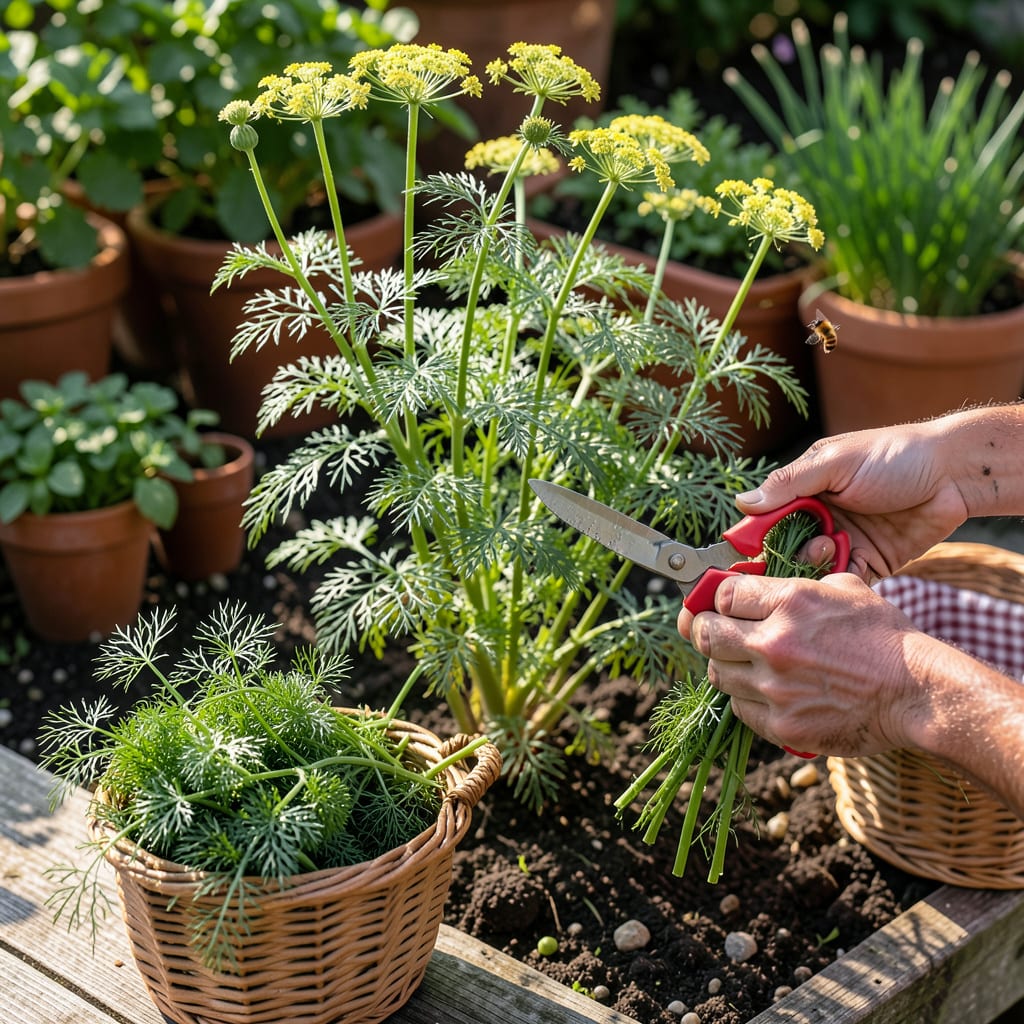
There’s nothing worse than reaching for fresh dill only to find it bitter or limp—yet timing the harvest perfectly can feel like guesswork. Whether you’re growing it for zesty leaves or aromatic seeds, missing the ideal window means sacrificing flavor and yield.
I’ve tested the foolproof signs that take the uncertainty out of picking. From leaf size to seed color, you’ll learn exactly when to harvest for the best taste and how to keep your 🌿 dill producing all season. Let’s get it right the first time.


Timing your dill harvest can feel tricky, but the plant actually gives clear signals when it’s ready. The key difference lies in whether you’re harvesting for fresh leaves or seeds. Leaves are best picked early, while seeds need full maturity—confusing these stages leads to disappointment.
I look for five foolproof signs that take the guesswork out of picking. The most reliable indicators involve leaf size, stem strength, and flower development. Let’s break down what to watch for at each stage, so you never harvest too early or too late again.
| Harvest Type | Visual Sign | Tactile Sign | Best Time |
|---|---|---|---|
| Fresh Leaves | 6-8″ feathery leaves | Stems bend slightly | Early morning |
| Drying Leaves | Deep green, no yellowing | Strong dill scent | Mid-morning |
| Seeds | Brown seed heads | Seeds rattle inside | Late afternoon |
For leaf harvest, focus on the 6-8 inch rule. When the feathery fronds reach this length, they’ve developed maximum flavor but haven’t started turning bitter. The stems should feel firm but flexible—if they snap easily, you’ve waited too long.
The scent test never fails: gently brush the leaves. Ready dill releases a potent, fresh aroma. If you barely smell anything, give it 3-5 more days. This works because the essential oils peak just before flowering begins.
When harvesting for seeds, watch the flower heads transform. They’ll start yellow, then turn light brown as seeds form. The perfect moment comes when seeds are light brown but haven’t fallen off—this ensures they’re fully mature but not overripe.
A common mistake is waiting for seeds to turn dark brown. By then, many have already dropped. I check daily once flowers appear, harvesting when seeds are firm to touch and make a slight rattling sound when shaken.
Remember that morning harvesting gives the best flavor for leaves, while seeds are ideal in late afternoon when fully dry. This timing preserves the essential oils that give dill its distinctive taste.
If you’re growing dill for both leaves and seeds, stagger your planting. Sow new seeds every 2-3 weeks to ensure a continuous supply. This way, you’ll always have plants at different stages ready for harvest.
Finally, always use clean, sharp scissors to cut stems. This prevents crushing the plant tissue and encourages faster regrowth. Cut just above a leaf node to promote bushier growth for future harvests.
By mastering these visual cues, you’ll transform your dill harvest from a guessing game to a predictable, rewarding process. The plant literally shows you when it’s ready—you just need to know what to look for. 🌱
The timing of your dill harvest dramatically impacts flavor and usability. I’ve found that morning harvesting preserves the most essential oils for fresh use, while afternoon collection works better for seeds. Understanding these windows ensures you get the best results for your intended purpose.
For fresh leaves, the ideal time is early morning when the plant’s oils are most concentrated. This is when the leaves are crispest and most flavorful. If you’re harvesting for drying, wait until mid-morning when dew has evaporated but before the afternoon heat sets in.
When harvesting for seed collection, patience is key. The seed heads need to fully mature and dry on the plant. I check daily once flowers appear, looking for that light brown color and slight rattling sound when shaken. This typically occurs 4-6 weeks after flowering begins.
For continuous harvests, I plant new dill seeds every 2-3 weeks. This ensures I always have plants at different stages—some ready for leaf harvest while others mature for seeds. It’s the secret to having fresh dill all season long without overharvesting any single plant.
Remember that weather conditions affect harvest timing. After heavy rain, wait at least 24 hours before harvesting to prevent mold. In extreme heat, harvest leaves earlier in the morning before they wilt. These small adjustments make a big difference in quality.
Always use clean, sharp tools regardless of harvest purpose. For leaves, cut stems just above a leaf node to encourage bushier regrowth. For seeds, cut entire seed heads and place them in a paper bag to finish drying. This prevents seed loss and makes collection easier.
By matching your harvest time to your intended use, you’ll maximize both flavor and yield. The plant gives clear signals—you just need to observe and respond accordingly. 🌿
Even experienced gardeners make critical errors when harvesting dill that can ruin flavor and reduce yield. The most common mistake I see is waiting too long to harvest leaves, which makes them bitter and tough. Another frequent issue is harvesting when plants are wet, which invites disease.
Let me share the top 5 mistakes that sabotage dill harvests, along with simple fixes. These small adjustments can double your usable yield and keep plants productive longer. Most problems stem from misreading the plant’s signals or using improper techniques.
The biggest flavor killer is harvesting after flowering. Once dill bolts (sends up flower stalks), the leaves develop a bitter, soapy taste. I check plants daily once they reach 6 inches tall, harvesting leaves promptly when they hit 6-8 inches. This keeps the plant in leaf-production mode.
Another silent yield reducer is using dull tools. Crushed stems heal slowly and invite pathogens. I keep a dedicated pair of sharp herb scissors in my garden kit. Always make clean cuts at a 45-degree angle just above a leaf node to encourage bushier regrowth.
Many gardeners don’t realize that morning harvesting isn’t just about flavor—it’s about plant health. Wet foliage spreads diseases like powdery mildew. I wait until dew evaporates (usually by 9 AM) before harvesting, and never work with plants after rain without waiting 24 hours.
For seed collection, the window is narrower than most realize. Seeds are ready when they turn light brown and rattle in the pod—but waiting for dark brown means you’ve lost 30-50% to shattering. I harvest seed heads in paper bags to catch any that fall during handling.
By avoiding these common mistakes, you’ll get sweeter leaves, more abundant seeds, and healthier plants that keep producing. The key is observing your plants daily and responding to their signals rather than following a rigid schedule. 🌿
Harvesting before leaves reach 6-8 inches means you’re missing out on full flavor development. The leaves will taste milder and you’ll get less yield per plant. Wait until the feathery fronds are fully formed but before flowering begins for optimal results.
You can, but the leaves will be much more bitter once flowering starts. The plant shifts energy to seed production, making foliage tougher and less flavorful. For best taste, harvest leaves before flower buds appear, focusing on seed collection once blooming begins.
With proper technique, you can harvest every 2-3 weeks throughout the growing season. Never remove more than 1/3 of the foliage at once, and always cut just above a leaf node. This encourages bushier regrowth for future harvests.
For fresh leaves, harvest in early morning (7-9 AM) when essential oils are most concentrated. For seeds, late afternoon (3-5 PM) works best when pods are fully dry. Always avoid harvesting when plants are wet from dew or rain to prevent disease.
Seeds are ready when the flower heads turn light brown and you hear a slight rattle when shaken. Don’t wait for dark brown seeds—by then, many have already fallen. Harvest entire seed heads and place in a paper bag to finish drying and catch any loose seeds.
