
Beautiful Plants For Your Interior
Beautiful Plants For Your Interior
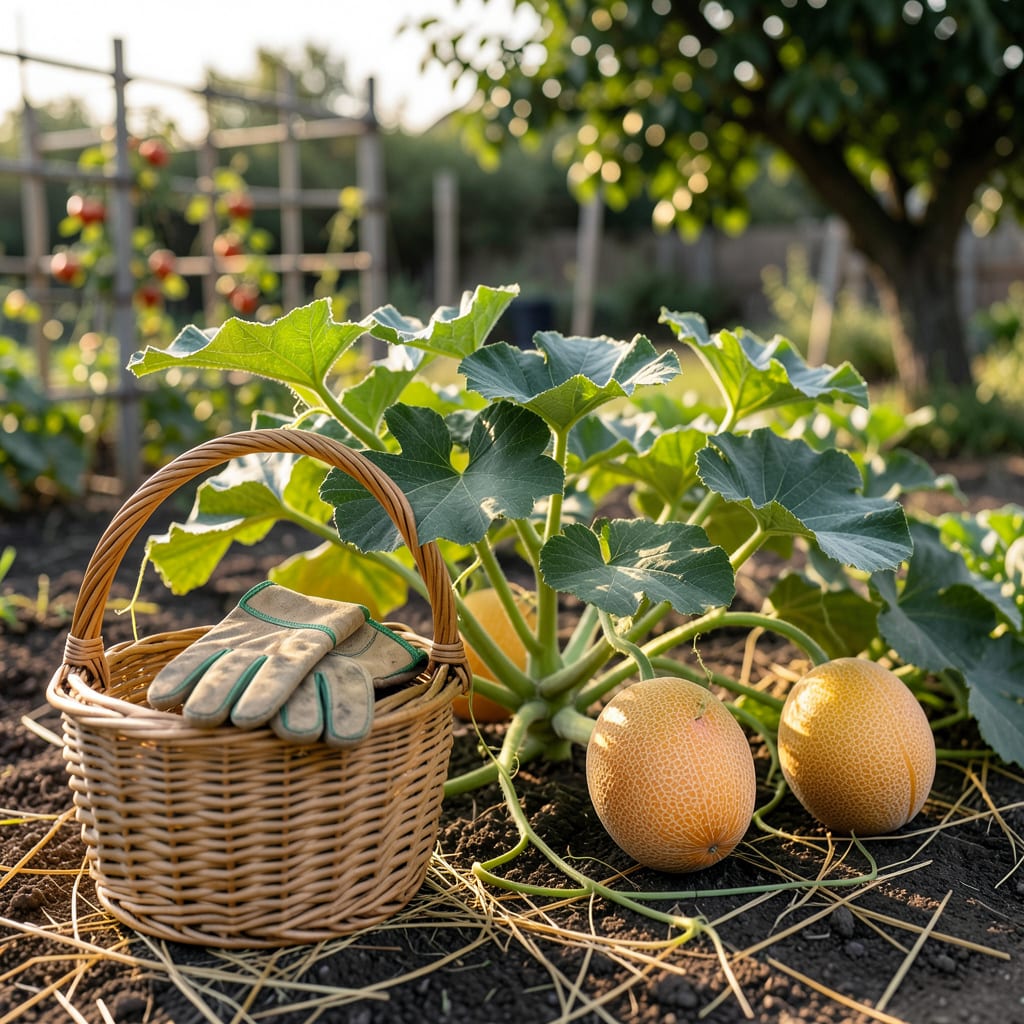
There’s nothing worse than cutting into a cantaloupe you’ve nurtured all season, only to find it underripe or overripe. That perfect moment when your 🍈 is ready to pick comes down to five simple signs—and missing even one could mean the difference between sweet perfection and a bland disappointment.
I’ve learned the hard way that size alone won’t tell you when to harvest. After testing countless melons in my garden, I’ll show you exactly what to look for—from the stem’s secret signal to the telltale aroma—that guarantees you’ll pick your cantaloupe at its juiciest, most flavorful peak every time.


After weeks of watching your cantaloupe vines sprawl and those round fruits swell, the big question arrives: Is it ready? I’ve ruined my share of melons by guessing wrong, but now I rely on five foolproof signs that never fail. These aren’t just guesses—they’re science-backed cues from the plant itself.
First, forget about size alone. A baseball-sized cantaloupe might look impressive, but true ripeness comes down to color, texture, aroma, and stem behavior. Let’s break down each signal so you’ll know exactly when to twist that melon off the vine—no second-guessing required.
| Ripeness Sign | What to Look For | Why It Matters |
|---|---|---|
| Stem Slip | The stem detaches with gentle pressure (no tugging needed) | Natural separation means the melon has stopped receiving nutrients—it’s fully ripe! |
| Rind Color | Golden-beige (not green) with raised netting | Chlorophyll breaks down as sugars develop, turning the skin from green to creamy yellow |
| Underside Color | The side touching the ground turns pale yellow or cream | Sun exposure can’t reach the bottom—this color change signals internal ripening |
| Sweet Aroma | A strong, musky-sweet smell at the stem end (sniff closely!) | Volatile compounds release as sugars peak—no smell means it’s not ready |
| Thumb Test | The blossom end (opposite the stem) gives slightly when pressed | Too soft = overripe; too firm = underripe. Aim for a subtle yield |
Let’s start with the stem slip test—my personal favorite because it’s the most reliable. A ripe cantaloupe will literally fall into your hand with the slightest upward pressure. If you have to yank or twist hard, walk away. That stem is still clinging for a reason: the melon needs more time.
Next, flip the melon over and check the underside color. This is the spot that rests on the soil, hidden from the sun. When it shifts from green to a creamy yellow or pale orange, you’re getting close. I like to call this the “secret spot”—it’s the one place that won’t lie to you about ripeness.
The rind’s netting pattern is another dead giveaway. Early on, those web-like lines are barely visible. As the melon ripens, they become raised and beige, almost like a textured map. Run your fingers over the surface—if it feels rough and the netting stands out, you’re in the sweet zone.
Now, lean in and sniff the stem end. A ripe cantaloupe will hit you with a musky, tropical aroma that’s unmistakable. No smell? Leave it be. A faint odor means it’s close but not quite there. I’ve found this test works best in the early morning, when the garden’s scents are strongest.
Finally, give the blossom end (the opposite side of the stem) a gentle press with your thumb. You’re aiming for a slight give—like pressing a ripe avocado. Too soft means it’s overripe; too firm means it needs more sun. This test takes practice, so compare a few melons to train your fingers.
Pro tip: If you’re still unsure, check the days to maturity for your variety. Most cantaloupes take 75–85 days from planting. Count backward from your planting date, and if your melon’s showing 3–4 of these signs, it’s go time. Trust me, your taste buds will thank you!
Remember, a cantaloupe won’t ripen further once picked, so wait for the full package of signals. I’ve made the mistake of harvesting based on size alone, only to end up with a watery, flavorless disappointment. But when you nail the timing? That first bite of sun-warmed, vine-ripened cantaloupe is pure garden magic. 🌱
Even experienced gardeners can misjudge cantaloupe ripeness, and I’ve made every mistake in the book. The worst? Assuming a big, green melon is ready just because it looks impressive. Size is the least reliable indicator—focus on the signs we covered earlier instead.
Another classic blunder? Harvesting after rain. Wet melons absorb moisture through their rinds, which dilutes their sugar content and makes them taste bland. Always wait for dry weather and check ripeness in the late morning, after dew has evaporated but before the sun gets too hot. 🌱
Here’s a mistake I see all the time: twisting the melon off the vine. This damages both the fruit and the plant. Instead, use a clean pair of pruners or gently rock the melon until the stem separates naturally. A jagged stem wound invites pests and disease.
Don’t fall for the “thumbnail test” myth either. Some gardeners press their thumbnail into the rind, expecting resistance. But this can bruise the fruit and doesn’t account for variety differences. Stick to the blossom-end press (gentle thumb pressure) for a truer read.
Timing matters too. If you harvest in the late afternoon, your melons may feel softer due to heat—but that doesn’t mean they’re ripe. I’ve found the golden window is between 10 AM and noon, when temperatures are warm but not scorching.
Finally, avoid the “just one more day” trap. Overripe cantaloupes turn mushy fast, especially in hot weather. Once you spot 3–4 ripeness signs, pick immediately. I lost an entire crop once by waiting for “perfect” ripeness—only to find split, fermenting melons after a heatwave. 🌡️
You’ve finally harvested your perfectly ripe cantaloupe—now what? The way you handle it post-pick makes all the difference between a melon that stays sweet for days and one that turns mushy overnight. I’ve tested every storage method, and here’s what actually works to preserve that just-picked flavor.
First, resist the urge to wash your cantaloupe right away. Moisture speeds up spoilage, so I brush off dirt gently with a dry cloth instead. If you must rinse it, do so just before eating and pat it completely dry. This small step adds days to its shelf life. 🌿
Keep uncut cantaloupe at room temperature (65–70°F) for 3–5 days. The countertop is ideal—never refrigerate whole melons, as cold kills their flavor.
Once sliced, wrap tightly in plastic wrap or store in an airtight container. Refrigerate for up to 4 days, but eat within 2 days for best texture and taste.
If slightly underripe, place in a paper bag with a banana or apple at room temp. The ethylene gas will speed ripening by 1–2 days—but check often to avoid overdoing it.
Cube ripe cantaloupe and freeze on a tray before bagging. Use within 3 months for smoothies or sorbet—the texture changes, but the flavor stays vibrant. ✂️
Here’s a trick I swear by: If your cantaloupe is almost ripe but not quite there, place it in a sunny windowsill for a day. The warmth mimics vine ripening and can coax out extra sweetness. Just don’t leave it too long—overripe melons ferment quickly in heat.
Ever notice how store-bought cantaloupe lasts longer? That’s because commercial growers pick them slightly underripe for shipping. Your homegrown melons are softer and juicier, so they spoil faster. Plan to eat them within 3–4 days of picking for peak flavor.
For long-term storage, canning or dehydrating works beautifully. I love making cantaloupe leather by pureeing the flesh and drying it at 135°F for 6–8 hours. The concentrated flavor is like summer in a snack! Just be sure to use fully ripe melons for the best results.
Remember, a cantaloupe’s sugar content doubles in the final days of ripening. That’s why vine-ripened melons taste so much sweeter than store versions. By storing yours properly, you’re locking in all that hard-earned garden goodness. 🍈
If the stem resists detachment, the melon isn’t ready yet. A ripe cantaloupe should separate with gentle upward pressure—no tugging required. Forcing it off damages the vine and results in underripe fruit. Wait 2-3 days and check again.
Unlike some fruits, cantaloupe won’t ripen significantly after picking. It may soften slightly at room temperature, but the sugar content won’t increase. For best flavor, always wait for full vine ripeness before harvesting.
Once the rind turns golden-beige and the netting becomes pronounced, check daily. Typically, the color shift happens 2-4 days before full ripeness. Combine this with the stem slip test for perfect timing.
A strong aroma with firmness suggests it’s almost ripe but needs 1-2 more days. The scent develops first, while the flesh softens later. Check the stem slip and underside color—when both match the aroma, it’s ready.
Yes! Harvesting after rain leads to waterlogged, less sweet fruit. Wait for dry weather and check ripeness in late morning. Wet melons can feel deceptively soft and may slip prematurely from the vine.
