
Beautiful Plants For Your Interior
Beautiful Plants For Your Interior
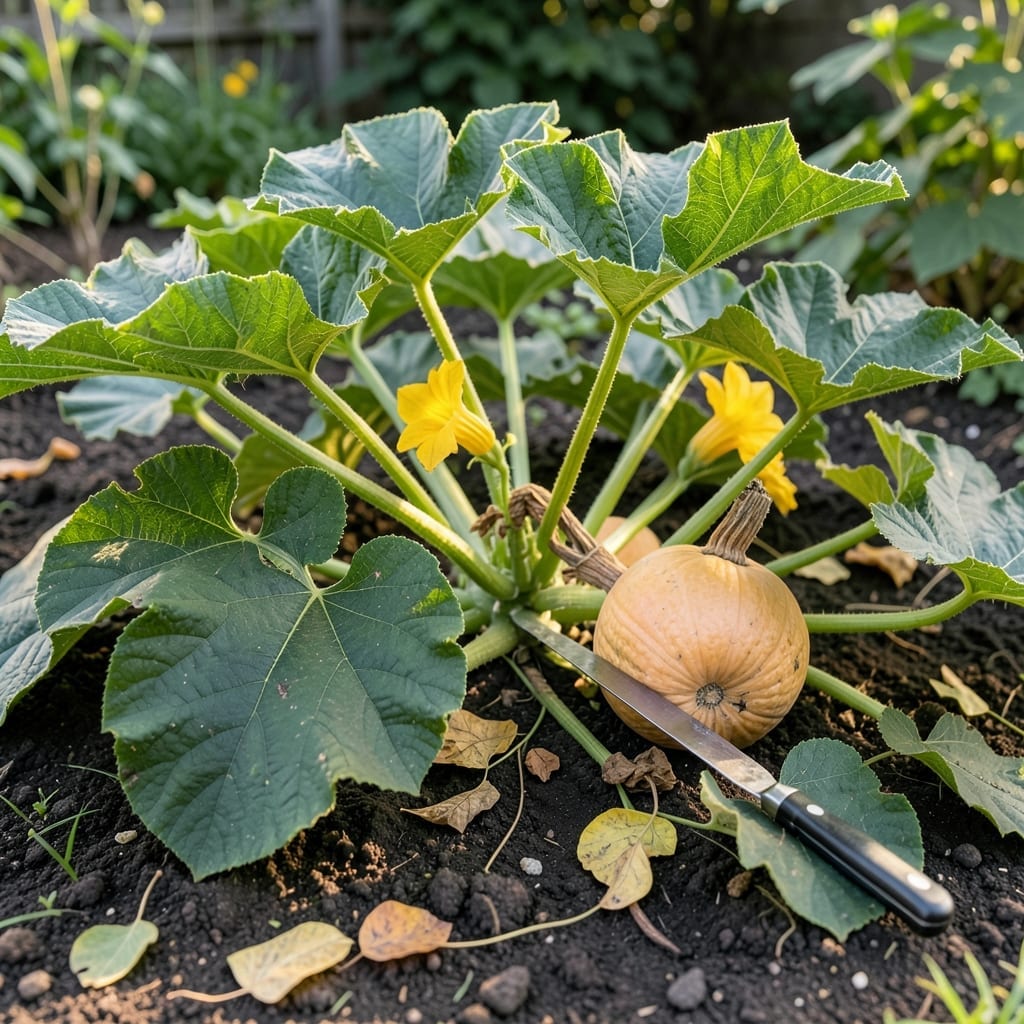
Picking a Butternut Squash 🎃 at the perfect peak of ripeness means the difference between a sweet, nutty flavor and a bland, underdeveloped disappointment.
Knowing the exact signs to look for ensures your harvest is always flavorful and ready for storage. It’s not just about color—there are subtle cues most people overlook.
Discover the 4 telltale signs that guarantee your squash is ripe and ready to enjoy. Let’s make sure you never pick one too soon—or too late—again.
I always check the skin color first—when it shifts from pale green to a deep tan or beige, that’s your first clue. This change happens as the squash matures on the vine.
The rind hardness is next. Press your fingernail into the skin. If it resists puncturing, the squash is ready. A soft rind means it needs more time to develop its natural sugars.
| Sign | How to Check |
|---|---|
| Skin Color | Deep tan or beige, no green patches |
| Rind Hardness | Cannot be punctured with a fingernail |
| Stem Condition | Dry, brown, and woody to touch |
| Sound Test | Hollow sound when tapped lightly |
Another sign I rely on is the stem condition. A ripe butternut squash will have a dry, brown stem that feels woody. If the stem is still green and soft, the squash isn’t ready yet.
For the sound test, I tap the squash lightly with my knuckles. A ripe one produces a hollow sound, while an unripe squash sounds dull. This method works best when combined with the other signs.
The vines often give hints too. When they start to die back and turn brown, it’s a strong indicator that the squash is nearing ripeness. This usually happens as the growing season winds down.
I also look at the matte finish on the skin. A ripe butternut squash loses its shiny appearance and develops a dull, matte surface. This change signals that the squash has fully matured.
Timing matters as well. Most butternut squash varieties take 85 to 100 days to reach maturity. If you planted in spring, start checking for ripeness in early fall, before the first frost.
Harvesting at the right time ensures the best flavor and storage life. A fully ripe squash can last for months in proper conditions, while an underripe one may spoil quickly.
If you’re unsure, leave the squash on the vine a little longer. It’s better to wait an extra week than to pick it too early and miss out on that rich, sweet taste.
I’ve found that combining all these signs gives the most accurate results. Relying on just one might lead to mistakes, so I always double-check with multiple methods 🌱
I see many gardeners make the mistake of harvesting too early when the squash still has green patches on its skin. This leads to underdeveloped flavor and poor storage life.
Another common error is ignoring the stem. If you cut the squash with a green, soft stem, it’s not ready. Always wait for the stem to turn dry and brown first.
⚠️ Warning: Harvesting with a soft rind or green stem results in squash that spoils quickly and lacks sweetness.
Many people also misjudge ripeness by color alone. While a deep tan is important, it must be combined with other signs like hard rind and hollow sound for accuracy.
Improper handling of the vine can damage the squash. Always use clean, sharp pruners to cut the stem, leaving 1-2 inches attached to prevent rot and extend shelf life.
Harvesting too late is just as problematic. If left on the vine past maturity, the squash can become overripe, leading to a stringy texture and reduced flavor quality.
Finally, don’t forget to check the vines’ condition. If they’re still lush and green, your squash likely needs more time, even if other signs suggest readiness 🌿