
Beautiful Plants For Your Interior
Beautiful Plants For Your Interior
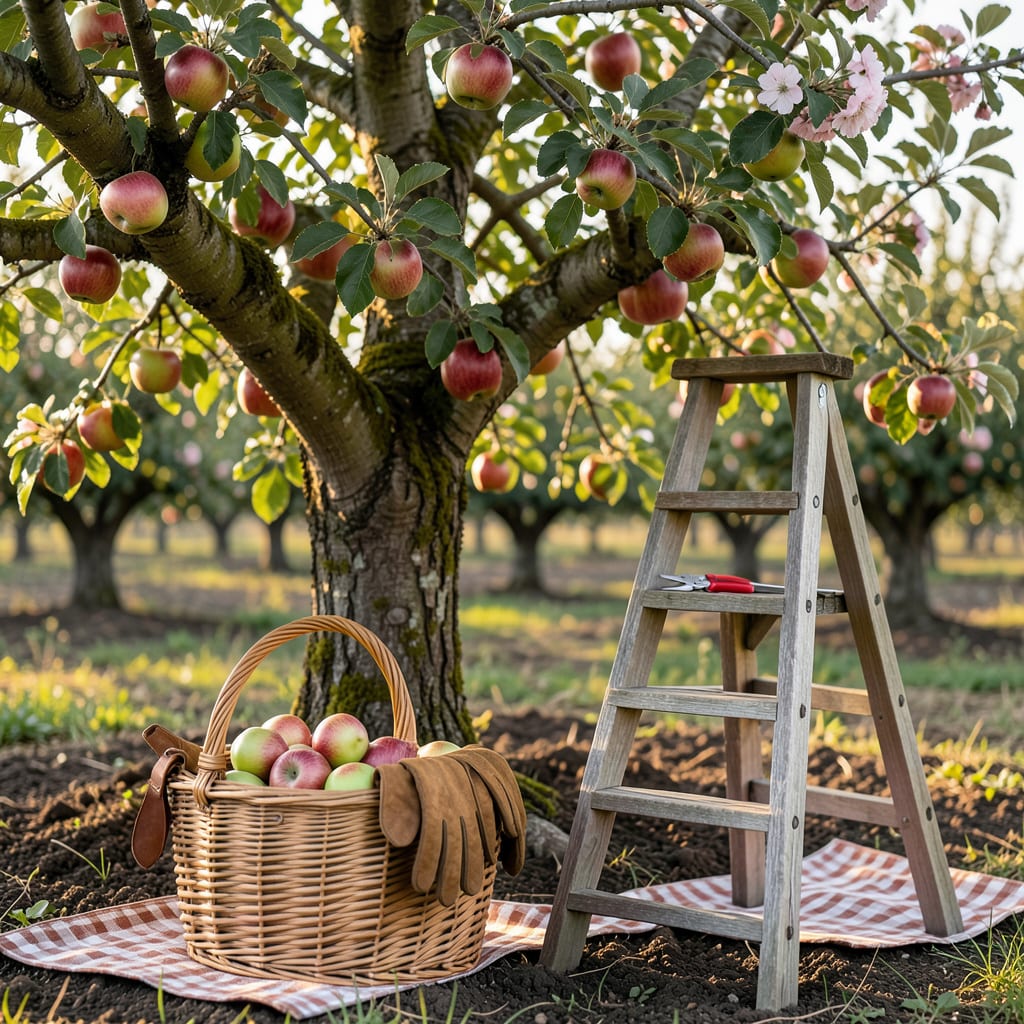
There’s nothing quite like biting into a perfectly ripe apple—crisp, sweet, and bursting with flavor. But pick too early, and you’ll get a tart, underwhelming snack; wait too long, and your harvest might turn mealy before you even store it.
Timing is everything when it comes to apples. Whether you’re growing a single tree or tending an orchard in Zone 6a, knowing the subtle signs of ripeness ensures you enjoy the best taste and longest shelf life. Let’s break down the foolproof ways to tell when your 🍎 are ready to pick.


After months of watching your apple tree grow, the big moment is finally here—harvest time! But how can you be sure your apples are truly ready? Unlike store-bought fruit, homegrown apples won’t always turn bright red or yellow when ripe. Instead, you’ll need to rely on a mix of visual clues, physical tests, and even your senses.
I’ve learned the hard way that timing matters. Pick too soon, and you’ll end up with apples that never sweeten; wait too long, and they’ll turn soft and mealy. The good news? Your tree gives you clear signals if you know where to look. Let’s break down the five key indicators that tell you it’s time to harvest.
Let’s start with the most obvious sign: color transformation. As apples ripen, their skin transitions from a dull green to their final color. For red varieties like Honeycrisp or Fuji, this means a deep, uniform crimson. Yellow varieties (think Golden Delicious) will turn a rich, golden hue. But here’s the catch—some apples, like Granny Smith, stay green even when ripe!
That’s why I always recommend the twist test. Hold the apple in your palm and give it a gentle upward twist. If it comes off the branch cleanly with the stem attached, it’s ready. If it clings tightly or the stem snaps, it needs more time. This method works because apples produce a natural abscission layer at the stem when ripe, making them easier to detach.
For a surefire check, slice open a test apple and examine the seeds inside. Immature seeds are pale green or white, while ripe seeds turn dark brown or black. This trick is especially useful for varieties where color isn’t a reliable indicator, like Mutsu or Pink Lady apples. If the seeds are still light, give your tree another week.
Next, trust your sense of touch. A ripe apple should feel firm but not rock-hard. Press your thumb near the stem—if the flesh gives just a little (like a ripe peach), it’s ready. If it’s as hard as a baseball, it’s not ripe yet. Overly soft apples are past their prime and best used for applesauce or baking.
Finally, don’t underestimate your nose! Ripe apples emit a sweet, fragrant aroma near the stem. If you hold an apple close and smell nothing, it’s not ready. But if it smells like apple pie filling, you’ve hit the jackpot. This is my favorite test because it’s foolproof—your nose won’t lie!
Pro tip: If you’re still unsure, pick one apple and let it sit at room temperature for a week. If it ripens nicely, the rest are ready to harvest. If it stays hard or develops off flavors, give your tree more time. Remember, apples ripen from the outside of the tree inward, so check fruit on the sunny side first.
Harvesting at the right moment ensures your apples store well and taste their best. Once picked, handle them gently to avoid bruising, and store them in a cool, dark place. Now that you know the signs, you’re ready to enjoy the sweet rewards of your labor! 🌳
Not all apples ripen on the same schedule—early-season varieties like Gala or McIntosh can be ready by late summer, while late-season apples such as Fuji or Pink Lady might hang on the tree until frost threatens. Knowing your variety’s timeline is key to perfect timing.
Your USDA Zone 6a climate plays a role too. Cooler regions may see harvests shift later by a week or two, while warmer microclimates could speed things up. I’ve found that local extension offices or orchard websites often publish variety-specific harvest windows tailored to your area. When in doubt, start checking for ripeness signs about 10 days before the expected window.
| Variety | Harvest Window | Ripeness Signs | Best For |
|---|---|---|---|
| Gala | Late August – Early September | Deep red stripes, sweet aroma | Fresh eating, salads |
| Honeycrisp | Mid-September – Early October | Red blush, crisp texture | Snacking, baking |
| Granny Smith | Mid-October – Early November | Dull green skin, tart taste | Pies, long storage |
| Fuji | Late October – November | Pink-red blush, very sweet | Fresh eating, storage |
| Golden Delicious | September – October | Golden-yellow, mellow sweetness | All-purpose, cider |
If you’re growing heirloom varieties like Arkansas Black or Winesap, expect even later harvests—sometimes as late as November. These apples often develop deeper flavors after a light frost, but don’t let them freeze on the tree! I once lost half my Braeburn crop to an unexpected early freeze because I waited too long.
For early varieties like Lodi or Yellow Transparent, watch for ripeness starting in mid-July. These apples are perfect for sauces and cider but won’t store long. I mark my calendar with each variety’s expected window and start testing for ripeness a week before the earliest date. That way, I never miss the perfect picking moment.
Remember, apple trees don’t ripen all fruit uniformly. The apples on the sunny side of the tree often ripen first, while shaded fruit may lag behind. I like to harvest in stages, picking the ripest apples first and giving the rest another few days. This also prevents overloading my kitchen with more apples than I can process at once!
When in doubt, consult a local orchard’s harvest schedule or your county’s cooperative extension. They often track harvest times based on real-time weather conditions. And don’t forget: if you’re saving seeds, only fully ripe apples will produce viable seeds for next year’s planting. Happy harvesting! 🌿
Even experienced gardeners can make errors when harvesting apples. The most common mistake I see? Pulling apples off the branch instead of using the twist method. This often damages the stem or fruit, reducing storage life. Always cup the apple in your palm and gently twist upward.
Another pitfall is ignoring the stem condition. If the stem breaks off when you twist, the apple isn’t ready. A ripe apple should separate cleanly with the stem attached. I learned this the hard way when I lost half my harvest to premature picking one season.
Pro tip: Harvest in the cool morning hours when apples are crispest and less prone to bruising.
Many gardeners also make the mistake of harvesting too early after rain. Wet apples are more susceptible to bruising and may develop storage rot. I always wait at least 24 hours after rainfall before picking to let the fruit dry completely.
Another overlooked factor is fruit size. Apples should reach their expected diameter for the variety before picking. For example, Honeycrisp apples typically measure 3-3.5 inches across when ripe. If your apples are undersized, they likely need more time on the tree.
Proper storage starts at harvest. I use shallow baskets or buckets lined with soft cloth to prevent bruising. Never stack apples more than 3 layers deep, as the weight can crush the bottom layer. For long-term storage, I wrap each apple in newspaper before placing in cardboard boxes.
Remember, apples continue to ripen after picking, but only if they were mature when harvested. Underripe apples will never develop proper sweetness or texture. When in doubt, perform the seed color test—if seeds are still light-colored, wait another week before harvesting. 🪴
This usually means they’re not fully mature yet. Check the seeds—if they’re still light green, give them more time. Some tart varieties like Granny Smith will always be sour, but most apples sweeten as they ripen further on the tree.
Only if they’re supposed to be green! Varieties like Granny Smith stay green when ripe. For others, wait until they develop their mature color. The twist test and seed color are better indicators than skin hue alone.
About 1-2 weeks after reaching full ripeness, depending on weather. Warm, dry conditions speed up overripening, while cool temps extend their window. Check daily once they’re ripe—overripe apples become mealy quickly.
No, they ripen unevenly! Apples on the sunny side mature first. I harvest in stages, picking the ripest ones every few days. This prevents waste and ensures you don’t miss the perfect window for any fruit.
Early morning is ideal! The fruit is crispest and least prone to bruising when cool. Avoid midday heat, which can make apples soft and vulnerable to damage during handling.
