
Beautiful Plants For Your Interior
Beautiful Plants For Your Interior
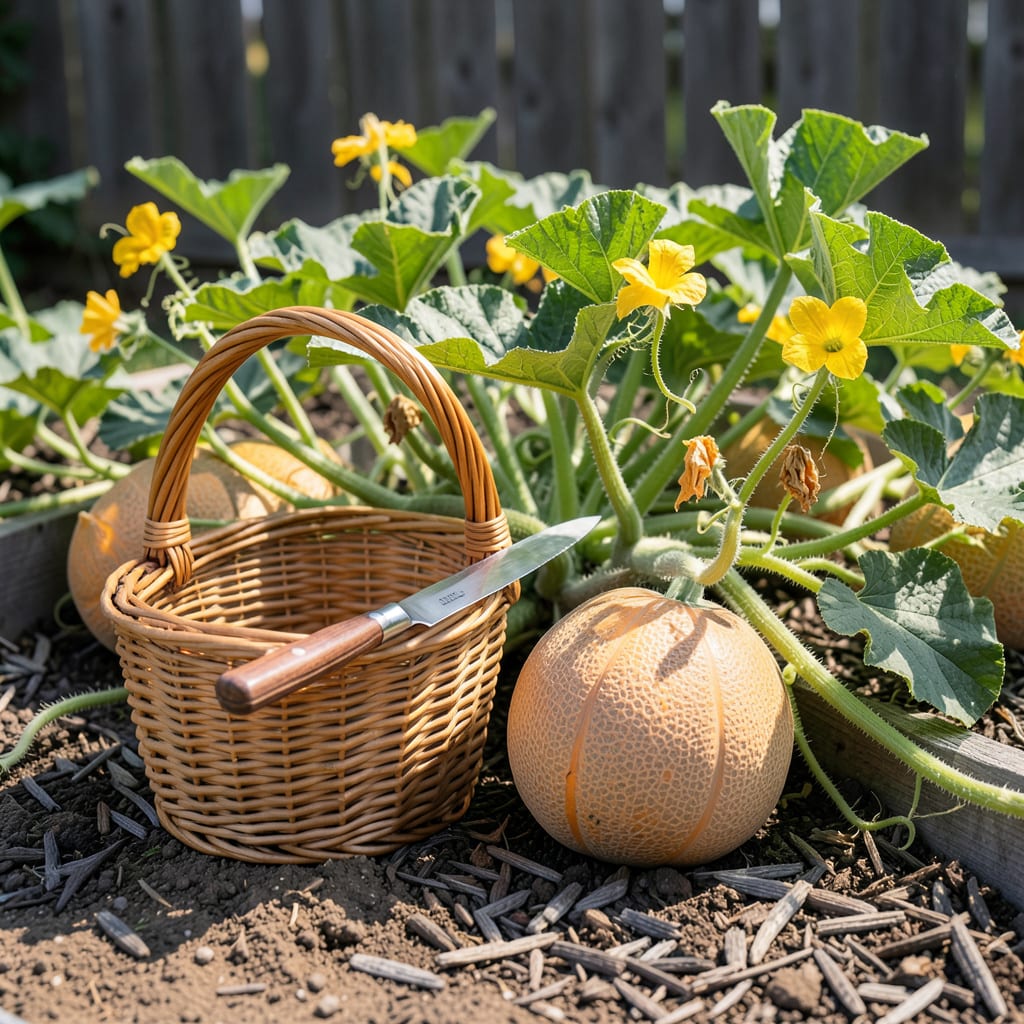
There’s nothing worse than cutting into a cantaloupe only to find it underripe—or worse, mushy and overdone. That perfect moment of harvest makes all the difference between a sweet, juicy treat and a disappointing flop.
I’ve learned the hard way that timing is everything with these melons. From subtle color shifts to the telltale “slip” of the stem, I’ll show you the foolproof signs to look for. No more guessing games—just ripe, ready-to-eat cantaloupes every time.


You’ve finally picked your cantaloupe—but the work isn’t over yet! What you do in the next 24 hours can make or break that perfect sweetness. I’ve ruined my share of melons by storing them wrong, so let me save you the heartache with these post-harvest secrets.
First, resist the urge to refrigerate immediately. A freshly picked cantaloupe needs room temperature for 1-2 days to reach peak flavor. This extra time lets the starches convert to sugar, giving you that burst of sweetness you’ve been waiting for.
If your cantaloupe isn’t quite ripe, don’t panic! Place it in a paper bag with a banana or apple. The ethylene gas these fruits release speeds up ripening. Check daily—once it smells sweet and the stem end yields to gentle pressure, it’s ready for the fridge.
For long-term storage, whole cantaloupes keep best at 45-50°F with 90% humidity. Cut melons should be sealed in containers and eaten within 3-4 days. Pro tip: Save the seeds! Rinse, dry, and store them for next year’s garden.
Remember, a perfectly ripe cantaloupe will have a creamy yellow rind, a sweet aroma at the stem end, and a slight give when pressed. If it smells like nothing, it needs more time. Trust your senses—they’re your best tools in the garden! 🪴
The underside of a ripe cantaloupe shifts from green to a creamy yellow or beige. The netting (webbing pattern) also becomes more pronounced. If it’s still mostly green, give it more time on the vine.
A lack of aroma means it’s not ripe yet! A ready-to-pick cantaloupe should have a sweet, musky fragrance at the stem end. If you don’t smell anything, wait another day or two and check again.
Yes, but flavor suffers. Cantaloupes ripen best on the vine, but if you must pick early, store at room temperature (65-75°F) for 1-2 days. Place it in a paper bag with a banana to speed up the process.
Overripe cantaloupes feel overly soft, develop mushy spots, or emit a fermented smell. The stem may also detach completely. Harvest immediately if you notice these signs to avoid spoilage.
Not always! While most cantaloupes reach 6-8 inches when ripe, size alone isn’t reliable. Focus on color, aroma, and the “slip test” (gentle pressure at the stem end) instead.
