
Beautiful Plants For Your Interior
Beautiful Plants For Your Interior
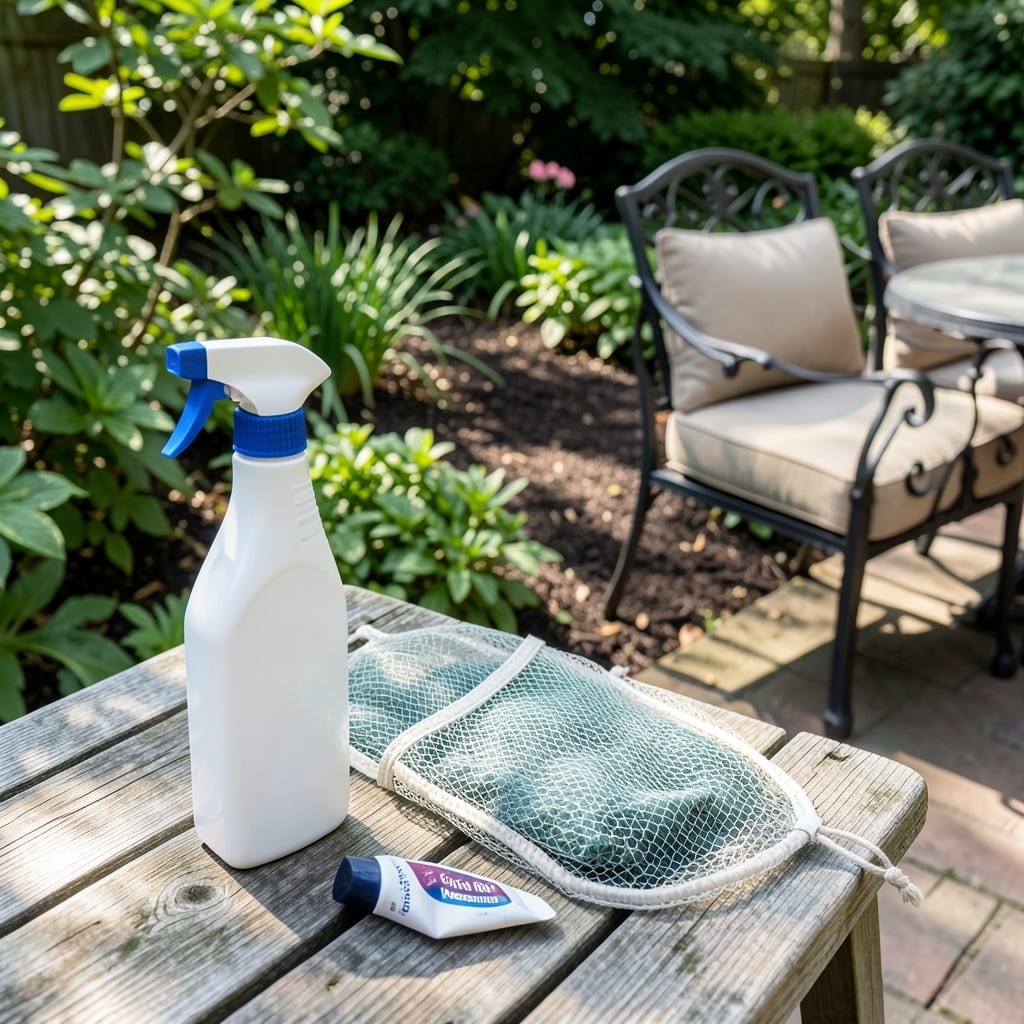
Tiny black flies swarming your garden at dusk ruin everything. Noseeums turn outdoor time into an itchy nightmare, but I’ve found natural ways to reclaim your space without harsh chemicals.
These pests thrive in moist, shaded areas, so targeting their habitat is key. I use fans, essential oils, and strategic planting to create an invisible barrier they can’t cross.
With the right approach, you’ll notice fewer bites within 24-48 hours. The best part? These methods are safe for kids, pets, and plants.
Works for patios, gardens, or pool areas. Here’s how to make your yard a no-fly zone.
Noseeums, also known as Culicoides or biting midges, thrive in specific environmental conditions. Understanding why they appear is the first step to keeping them away. Below are the primary causes of their presence and bites.
Noseeums lay their eggs in moist, stagnant water. Puddles, marshes, drainage ditches, and even poorly maintained birdbaths or clogged gutters create ideal breeding grounds. The larvae develop in water for 2 to 7 weeks before emerging as adults. Eliminating standing water around your home reduces their population significantly.
These pests are most active during warm, humid months, typically from late spring to early fall. Temperatures between 68°F and 80°F with high humidity accelerate their life cycle. Coastal areas and regions with dense vegetation see higher populations due to these favorable conditions.
Noseeums are crepuscular, meaning they’re most active during twilight hours—dawn and dusk. This behavior helps them avoid daytime predators and harsh sunlight. If you’re outdoors during these times, especially near water or wooded areas, you’re more likely to encounter them.
Tall grass, weeds, and dense shrubbery provide shelter for adult noseeums. These areas retain moisture and offer protection from wind, making them perfect resting spots. Regularly mowing your lawn and trimming vegetation can disrupt their habitat and reduce their numbers.
Noseeums can be a real nuisance, but there are practical ways to get rid of them and keep them from coming back. Below are targeted solutions for common causes, along with prevention tips to help you reclaim your space. 💡
Noseeums thrive in damp areas. Drain any standing water in your yard, including:
Prevention tip: Refresh pet water bowls daily and ensure proper drainage around your home. 🌧️
Tall grass and dense shrubs provide shade and moisture for noseeums. Mow your lawn regularly and trim back overgrown plants. For added protection:
If noseeums have made their way inside, seal entry points first:
Quick fix: Set up fans near entryways—noseeums are weak fliers and avoid strong airflow. 💨 Also, use an indoor insect trap or a mix of water, sugar, and yeast to lure and trap them.
When spending time outside, cover up and use repellents:
Yes, oils like citronella, lavender, and eucalyptus are proven to deter them. Mix 10-15 drops with 1 cup of water in a spray bottle and apply to skin or clothing. Reapply every 2-3 hours for best results.
They’re most active during twilight to avoid daytime heat and predators. These times offer cooler temperatures and higher humidity, which they prefer. Limit outdoor activity during these periods or use strong repellents.
Standard insect sprays work, but opt for DEET-free options with picaridin or oil of lemon eucalyptus. These are just as effective but safer for skin and the environment. Always follow label instructions for application.
Adults typically survive 2-4 weeks inside if they find moisture and shelter. Use fans to disrupt their flight and traps to catch them. Seal entry points to prevent new ones from entering.