
Beautiful Plants For Your Interior
Beautiful Plants For Your Interior
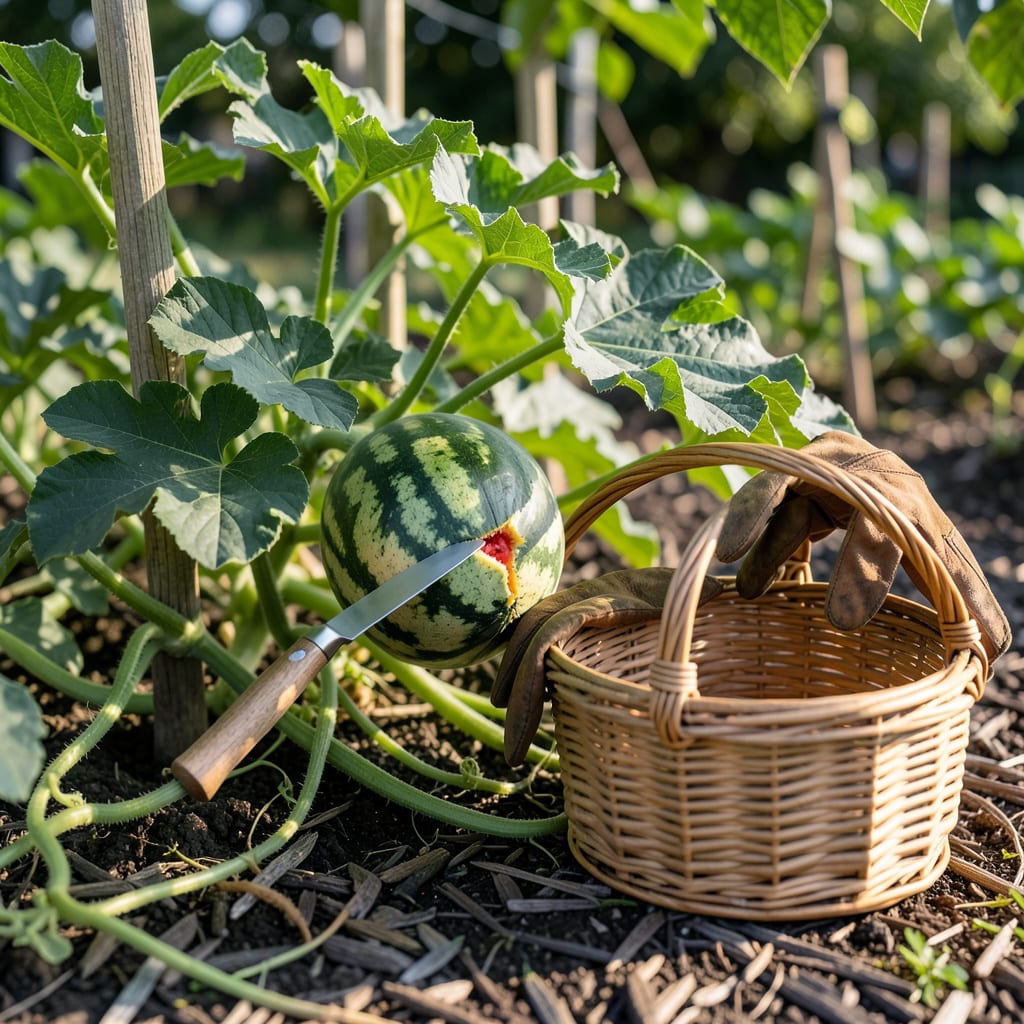
There’s nothing worse than cutting into a watermelon you’ve nurtured for months, only to find it underripe—or worse, overripe. That perfect balance of sweetness and crunch hinges on one critical moment: knowing exactly when to pick it.
I’ve seen gardeners guess wrong and end up with bland or mushy fruit, but you don’t have to. By learning the 5 surefire signs of ripeness—from tendril cues to the famous “thump test”—you’ll harvest melons bursting with flavor every time. Let’s break it down.


After months of tending your watermelon vines, the final step—harvesting—can feel like a gamble. But it doesn’t have to be. The secret lies in reading the 5 key ripeness indicators your plant gives you. These aren’t just guesses; they’re biological signals the melon is done growing.
I’ve tested these methods in my own garden, and they’ve never failed me. From the tendril test to the classic thump, each sign tells you something different about the fruit’s readiness. Let’s dive into what to look for—and why it matters. 🌱
The curly tendril closest to the melon turns brown and crispy when ripe. This happens because the plant stops sending nutrients to the fruit.
The underside (where it touches soil) shifts from white to yellow. A deep gold means maximum sweetness; pale yellow suggests it needs more time.
A ripe watermelon loses its glossy sheen and feels slightly rough. Run your fingers over it—if it’s slick, it’s not ready.
Striped varieties develop bold contrast between green and light stripes. Solid green types darken uniformly. Fading or patchy color = wait longer.
Tap the melon with your knuckles. A deep, hollow echo means ripe; a high-pitched or flat sound means it’s underripe or overripe.
Start with the tendril and ground spot—these are the most reliable early clues. If both check out, move to the thump test. I like to combine at least three signs for confidence. For example, a yellow ground spot + dull rind + hollow thump = harvest time!
The thump test trips up many beginners. Here’s how to master it: Use your knuckles (not fingertips) and tap near the center. A ripe melon sounds like a low, resonant “pong”. An unripe one echoes like a ping-pong ball. Practice on store-bought melons to train your ear.
Don’t ignore the stem connection. If the stem separates easily with a gentle twist, the melon is ready. If it resists, give it 2–3 more days. Forcing it off too soon can damage the vine and leave you with an underripe fruit.
Weather plays a role too. During a heatwave, watermelons may ripen 3–5 days faster than average. Cool, cloudy spells can slow things down. Adjust your checks accordingly—I’ve had melons take 85 days in cool summers versus 70 days in hot ones.
Size isn’t the best indicator alone, but it’s a good starting point. Most standard watermelons reach 15–20 lbs at maturity, while mini varieties like Sugar Baby max out around 8–10 lbs. Weigh yours against the seed packet’s expectations.
Here’s a pro tip: Compare your melon to a store-bought ripe one. Hold them side by side. If yours feels heavier for its size, it’s likely full of juice and ready. Lighter weight can mean it’s still filling out or overripe and drying inside.
Finally, trust the process. I’ve seen gardeners panic and pick too early after a few hot days, only to miss out on peak sweetness. Patience pays off—wait for at least 3 clear signs before cutting. Your taste buds will thank you! 🪴
Not all watermelons ripen the same way. The variety you’re growing changes everything—from the days to maturity to the rind patterns you should watch. I’ve grown everything from tiny Sugar Babies to giant Charleston Grays, and each has its quirks.
Seedless types, for example, often ripen 5–7 days earlier than seeded varieties. And those striped heirlooms? Their color contrast sharpens dramatically when ready. Let’s break down what to expect from the most popular types so you don’t miss your window. 🌱
| Variety | Days to Maturity | Ripe Weight | Key Ripeness Signs |
|---|---|---|---|
| Crimson Sweet | 80–85 days | 18–25 lbs | Deep green stripes, bright yellow ground spot |
| Sugar Baby | 75–80 days | 8–10 lbs | Solid dark green rind, dull finish |
| Charleston Gray | 85–90 days | 25–35 lbs | Light gray rind, deep yellow underside |
| Seedless (e.g., Triploid) | 70–75 days | 10–15 lbs | Less striped, tendril dries faster |
| Moon & Stars | 90–100 days | 20–30 lbs | Yellow spots brighten, rough texture |
Seedless watermelons are the trickiest because they lack the classic stem-slip test. Instead, watch their tendrils turn brown and listen for a higher-pitched thump than seeded types. I mark my calendar for 70 days after flowering and start checking daily.
For striped varieties like Crimson Sweet, the contrast between dark and light stripes intensifies as they ripen. If the stripes look faded or blurry, give it more time. Heirlooms like Moon & Stars develop brighter yellow spots—they’ll look like constellations when ready!
Size matters more with mini watermelons (like Sugar Baby). They won’t get heavier after ripening, so once they hit 8–10 lbs, focus on the ground spot color and thump. Giant varieties (Charleston Gray) can keep growing, so rely on the tendril and rind texture over weight.
Here’s my variety-specific trick: Compare to the seed packet photo. Hold it next to your melon. If the rind color and pattern match the “ripe” image, you’re close. Then confirm with the thump test. I’ve saved many melons from being picked too early this way. 🪴
Weather shortens or extends these timelines. In hot climates, seedless types may ripen in 65 days, while cooler zones could push heirlooms to 100+ days. Adjust your checks accordingly—I start monitoring 5 days earlier in heatwaves.
Even experienced gardeners sometimes misjudge watermelon ripeness. The most common mistake? Relying on just one sign—like size or color—without checking the others. I’ve seen folks harvest melons that looked ready but turned out underripe because they ignored the tendril test or ground spot.
Another pitfall is assuming all yellow ground spots mean the melon is ripe. A pale yellow spot suggests it’s close, but you want a deep golden color for peak sweetness. If it’s still white or light green, walk away and check again in 2–3 days. 🌱
The thump test is another area where gardeners go wrong. Many tap too lightly or use their fingertips instead of knuckles. A ripe watermelon should sound like a low, hollow “pong”—not a high-pitched “ping” (underripe) or a flat “thud” (overripe). Practice on a few store-bought melons to train your ear.
Weather can trick you too. During a heatwave, watermelons may ripen faster than expected, while cool spells slow them down. I adjust my checks by starting 3–5 days earlier in hot weather and adding a week during cool, cloudy periods. Don’t let a sudden temperature swing rush your harvest!
Finally, avoid the urge to twist or pull the melon off the vine. If the stem doesn’t separate with a gentle nudge, it’s not ready. Forcing it can damage the plant and leave you with an underripe fruit. Patience is key—wait for the stem to loosen naturally, and you’ll be rewarded with perfect sweetness. 🪴
Start monitoring 7–10 days before your variety’s expected maturity date. Once the tendril begins browning, check daily. Weather matters too—heatwaves may require every-other-day checks, while cool spells let you stretch to every 3 days.
No, watermelons don’t ripen further once picked. Unlike tomatoes, they stop developing sugar and flavor the moment they’re detached. If picked underripe, they’ll stay bland no matter how long you wait. Always confirm ripeness before harvesting.
Pick in the early morning when temperatures are cool. This preserves crispness and flavor. Avoid harvesting after rain or in high humidity—wet melons sound dull when thumped and may spoil faster. Use clean pruners to cut the stem, leaving 1–2 inches attached.
This usually happens when you rely on just one sign (like color) without checking others. A yellow ground spot but green tendril means it’s not fully mature. Also, inconsistent watering or cool weather during growth can dilute sugars. Next time, wait for 3+ ripeness cues.
