
Beautiful Plants For Your Interior
Beautiful Plants For Your Interior
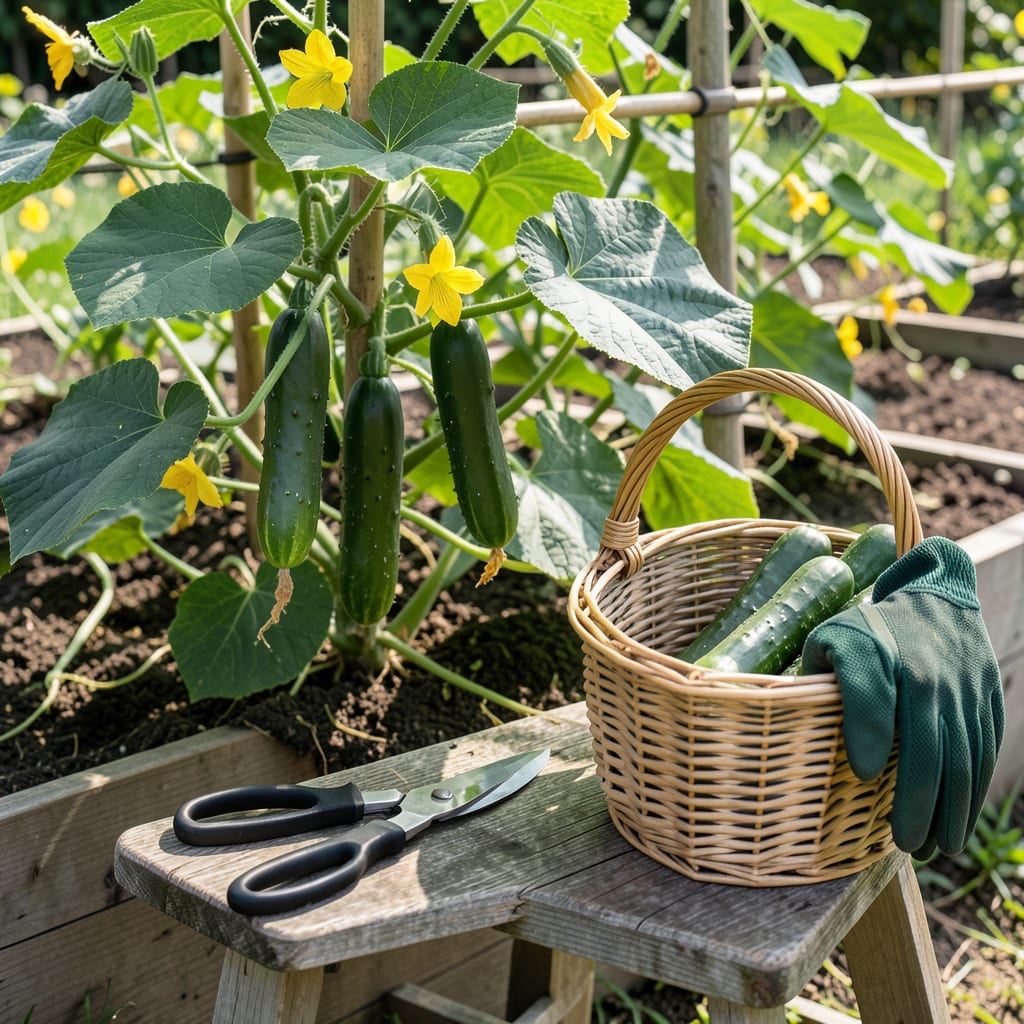
There’s nothing worse than cutting into a homegrown cucumber only to find it bitter or mushy. The difference between a perfect crisp, sweet harvest and a disappointing one often comes down to timing—just a day or two can make all the difference.
I’ve learned the hard way that cucumbers don’t wait for you. One morning they’re firm and vibrant, the next they’re bloated and bitter. Let me show you the five foolproof signs that tell you it’s time to pick—so you never miss that perfect window again.


I’ve lost count of how many cucumbers I’ve ruined by picking them too early—or worse, waiting too long. The secret isn’t just about size; it’s about reading the subtle cues your plant gives you. Cucumbers grow shockingly fast, sometimes doubling in size overnight.
Once they hit their prime, they’ll start declining just as quickly. That’s why I check my vines every morning during peak season. Let’s break down the five telltale signs that scream, “Pick me now!”—so you never second-guess again.
First, let’s talk size. For slicing cucumbers like ‘Straight Eight’ or ‘Marketmore,’ aim for 6–8 inches long. Pickling varieties (think ‘Boston’ or ‘National’) are best at 2–4 inches. Measure with your hand—a ready cucumber is about the length of a dollar bill.
Next, examine the color. A ripe cucumber wears a deep, uniform green like a badge of honor. If you spot yellow patches, it’s past its prime. Pale or streaky green? Give it another day. I use the “traffic light rule”: green = go, yellow = stop.
Firmness is where most gardeners mess up. Press your thumb gently into the skin—it should yield slightly, like a ripe peach. Too soft? It’s overripe. Too hard? It needs more time. This test saved my harvest last summer when half my cucumbers turned mushy overnight.
The stem tells all. A cucumber ready to pick will snap off cleanly with a gentle twist. If it resists, leave it. Forced picking can tear the vine, stunting future growth. I use clean pruners for stubborn stems to avoid damage.
Finally, check the skin texture. Ready cucumbers have a dull, matte finish with tiny bumps. Shiny skin means it’s still growing; rough or prickly skin (on some varieties) is normal. Run your fingers along the surface—it should feel slightly abrasive, not slick.
Here’s my pro tip: Harvest in the morning when cucumbers are crispest. The plant’s sugars peak after cool nights, giving you the best flavor. I keep a small basket by my garden to collect them daily—because yes, you’ll likely have new ones ready tomorrow!
If you miss the window, don’t panic. Overripe cucumbers can still be used for seeds or compost, but their flavor won’t be the same. The key is consistency: once your plants start producing, check them daily. Trust me, your taste buds (and your salad) will thank you.
Still unsure? Try the “float test” for pickling cucumbers: drop them in water. If they sink, they’re dense and ready. If they float, they need more time. This old trick has never failed me—especially with finicky ‘Lemon Cucumbers’ that hide their ripeness.
Remember, every variety has quirks. ‘Armenian cucumbers’ grow long and curved, while ‘Mexican Sour Gherkins’ are tiny when ripe. When in doubt, refer to your seed packet—but these five signs will cover 90% of varieties you’ll grow.
Now grab your pruners and get picking! The more you harvest, the more your plant will produce. It’s the garden’s way of saying, “Keep up the good work!” 🌱
Not all cucumbers are created equal—what’s perfect for a slicing cucumber might be way overdue for a pickling variety. I’ve made this mistake more times than I’d like to admit, ending up with giant, seedy pickles or tiny, underwhelming slicers.
Each variety has its own ideal harvest window, and timing it right means sweeter flavor and better texture. Below is my go-to guide for the most common types, so you’ll know exactly when to pluck yours—no guesswork required.
For slicing cucumbers, think salad-sized. Varieties like ‘Straight Eight’ or ‘Diva’ should be harvested when they’re about the length of a standard ruler. Wait too long, and they’ll develop tough skins and bitter seeds—trust me, no one wants that in their sandwich.
Pickling cucumbers are the sprinters of the cucumber world. They’re ready when they’re just a few inches long, often before you’d expect. I like to harvest mine when they’re the size of a large egg. If they start looking like mini baseball bats, you’ve waited too long.
Heirloom varieties like ‘Lemon Cucumbers’ throw a curveball—they’re meant to turn pale yellow when ripe, not stay green. I check theirs by gentle squeeze: if it gives slightly like a stress ball, it’s ready. Too soft? It’s past its prime.
Here’s my golden rule: When in doubt, pick it. Cucumbers left on the vine too long sap energy from the plant and can slow future production. I keep a harvest log to track which varieties ripen fastest in my garden—it’s saved me from many overgrown disappointments.
Pro tip for container gardeners: Dwarf varieties like ‘Bush Champion’ or ‘Spacemaster’ mature faster. Check them every 48 hours once they start sizing up. Their compact vines can’t handle heavy fruit, so timely picking keeps them productive.
Remember, your local climate plays a role too. In hotter zones, cucumbers may mature 5–7 days faster than the seed packet suggests. I’ve had ‘Marketmore’ cucumbers go from perfect to puffy in just two sunny days during a heatwave. Stay vigilant!
Now that you’ve got the variety-specific scoop, grab your gardening shears and start harvesting with confidence. Your plants will reward you with more cucumbers, and your taste buds will thank you for the crisp, sweet results. Happy picking! 🌿
Even experienced gardeners make mistakes with cucumbers. I’ve been there—proudly watching my vines thrive, only to end up with bitter, bloated fruit or a sudden halt in production. The good news? Most issues are preventable once you know what to watch for.
Here are the top five blunders I see (and have made myself), along with my battle-tested fixes. A little awareness now saves a lot of disappointment later—because nothing’s worse than realizing your entire harvest could’ve been better with one small tweak.
The biggest mistake I made as a beginner? Assuming cucumbers would “keep” on the vine. Wrong! Left unchecked, they’ll swell into seedy, watery monsters overnight. Now I do a daily vine sweep during harvest season—no exceptions.
Another classic error: harvesting with bare hands. Twisting cucumbers off can snap vines or tear roots. I switched to sharp pruners (wiped with rubbing alcohol between cuts) and saw 30% less plant stress. Your future harvests will thank you.
Ever noticed cucumbers shaped like lightbulbs or hooks? That’s inconsistent watering talking. Cucumbers are 95% water, so drought stress makes them bitter and lumpy. My fix: Drip irrigation on a timer, delivering water directly to roots at dawn.
Here’s a silent killer: forgetting to check undersides of leaves. Cucumber beetles and powdery mildew love to hide there. I do a weekly leaf flip with a spray bottle of neem oil (1 tbsp per quart of water). Caught early, pests are easy to manage.
Finally, don’t overlook successive planting. If you sow all seeds at once, you’ll get a single glut of cucumbers, then nothing. I stagger plantings every 2 weeks for a steady supply. Pair this with regular harvesting, and you’ll have cucumbers until frost!
Remember, every “mistake” is just a lesson in disguise. Even my worst cucumber fails taught me something—like how ‘Lemon Cucumbers’ need more calcium to prevent blossom-end rot. Keep notes, adjust next season, and soon you’ll be the cucumber whisperer of your neighborhood! 🌱
Check your plants daily once they start producing. Cucumbers grow rapidly, sometimes doubling in size overnight. Missing just a day can lead to overripe, bitter fruit. Morning checks are ideal when cucumbers are crispest.
Use clean pruners or gently twist while supporting the vine. If it resists, it’s not ready. Never yank—this can tear roots or snap stems. For stubborn stems, snip with pruners wiped with rubbing alcohol between cuts.
Pickling varieties like ‘Boston’ or ‘National’ are best harvested at 2–4 inches. Smaller sizes stay crisp and absorb brine better. Just ensure they’ve reached their variety’s minimum size and have firm skin.
Bitterness often comes from inconsistent watering or stress. Ensure plants get 1–2 inches of water weekly, deep at the base. Heatwaves can also cause bitterness—provide afternoon shade if temps exceed 90°F.
No—leave underripe cucumbers (less than 4 inches or pale green) to mature. Harvesting too early reduces yield. Focus on removing only those meeting size/color/firmness criteria. This encourages the plant to produce more!
