
Beautiful Plants For Your Interior
Beautiful Plants For Your Interior
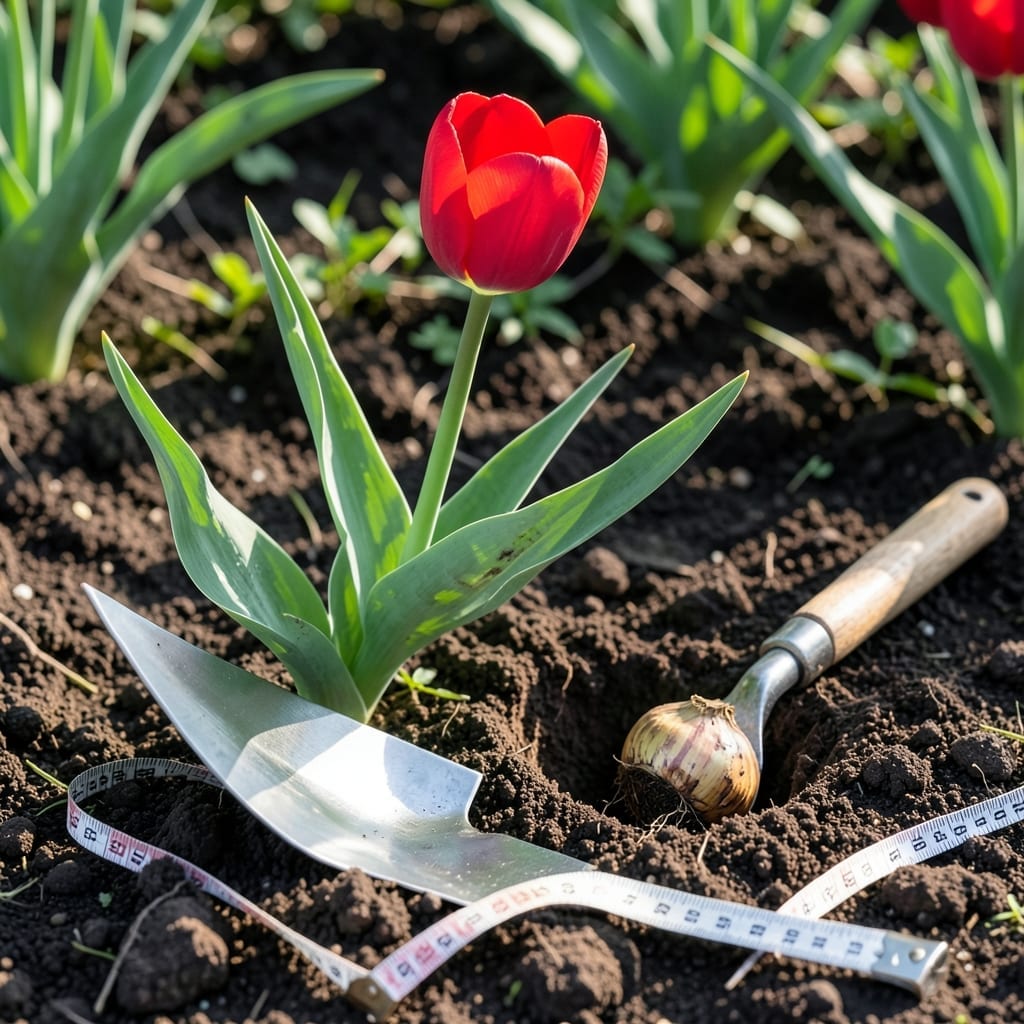
Planting Tulip bulbs at the right depth can make or break your spring garden display. Get it wrong, and you might end up with weak stems or no blooms at all. 🌷
I’ve seen firsthand how proper planting depth transforms a mediocre garden into a stunning one. It’s not just about digging a hole—it’s about giving your bulbs the best start possible.
Discover the simple yet critical steps to ensure your Tulips thrive and return year after year. Let’s get those bulbs in the ground the right way.

Getting the planting depth right is crucial for tulip bulbs to thrive. The general rule is to plant them 6-8 inches deep, which is about 2-3 times the height of the bulb itself. 🌷
This depth provides enough insulation against winter cold and allows the bulb to establish strong roots before spring. However, soil type can affect this ideal depth slightly.
| Soil Type | Recommended Depth | Notes |
|---|---|---|
| Standard Loam | 6-8 inches | Ideal for most tulip varieties |
| Clay Soil | 5-6 inches | Prevents waterlogging; improve drainage |
| Sandy Soil | 8-10 inches | Extra depth for better moisture retention |
For clay soil, which retains more moisture, planting slightly shallower at 5-6 inches helps prevent bulb rot. The denser soil can suffocate bulbs if planted too deep.
In sandy soil, which drains quickly, I recommend going a bit deeper to 8-10 inches. This extra depth helps the bulb access moisture more consistently. ☀️
Spacing is another important factor. Place bulbs 4-6 inches apart to allow for proper growth and air circulation. This prevents overcrowding and reduces disease risk.
For a natural look, I like to plant in clusters of 5-7 bulbs rather than straight rows. This creates a more organic, abundant display when they bloom in spring. 🌿
After planting, water thoroughly to help the soil settle and encourage root growth. A 2-3 inch layer of mulch can provide additional protection against temperature fluctuations.
In colder climates (USDA zones 3-5), this mulch layer is especially important. It acts as an extra blanket, keeping the soil temperature more stable during winter freezes.
For warmer climates (zones 7-8), you might plant a bit shallower and use less mulch. The goal is to prevent the bulbs from getting too warm, which can disrupt their dormant period.
Even experienced gardeners sometimes get tulip bulb depth wrong. Planting too shallow can lead to weak stems that flop over in spring rains. The bulbs may also heave out of the ground during freeze-thaw cycles. 🌷
On the other hand, planting too deep can delay blooming or prevent it altogether. The bulb may exhaust its energy trying to reach the surface, resulting in no flowers the first year.
⚠️ WARNING: Depth Matters!
Planting too shallow (under 4 inches) risks winter kill in cold climates. Planting too deep (over 10 inches) may cause blind bulbs with no flowers.
I’ve seen blind buds – where the bulb produces foliage but no flower – which often occurs when bulbs are planted too deep. This happens because the bulb uses all its energy just to reach the surface.
For floppy stems, the issue is usually shallow planting. The stems grow tall but lack the strength to support the heavy bloom. Staking helps, but proper depth is the real solution. ☀️
Poor perennization – when tulips don’t return the next year – can also result from incorrect depth. Bulbs planted too shallow may not establish enough roots to sustain future growth.
If you’ve already planted at the wrong depth, don’t dig them up immediately. Wait until after blooming, then lift and replant at the correct depth for the next season. 🌿
Remember, the 6-8 inch rule works for most situations. When in doubt, it’s better to plant a little deeper than too shallow, especially in colder climates.