
Beautiful Plants For Your Interior
Beautiful Plants For Your Interior
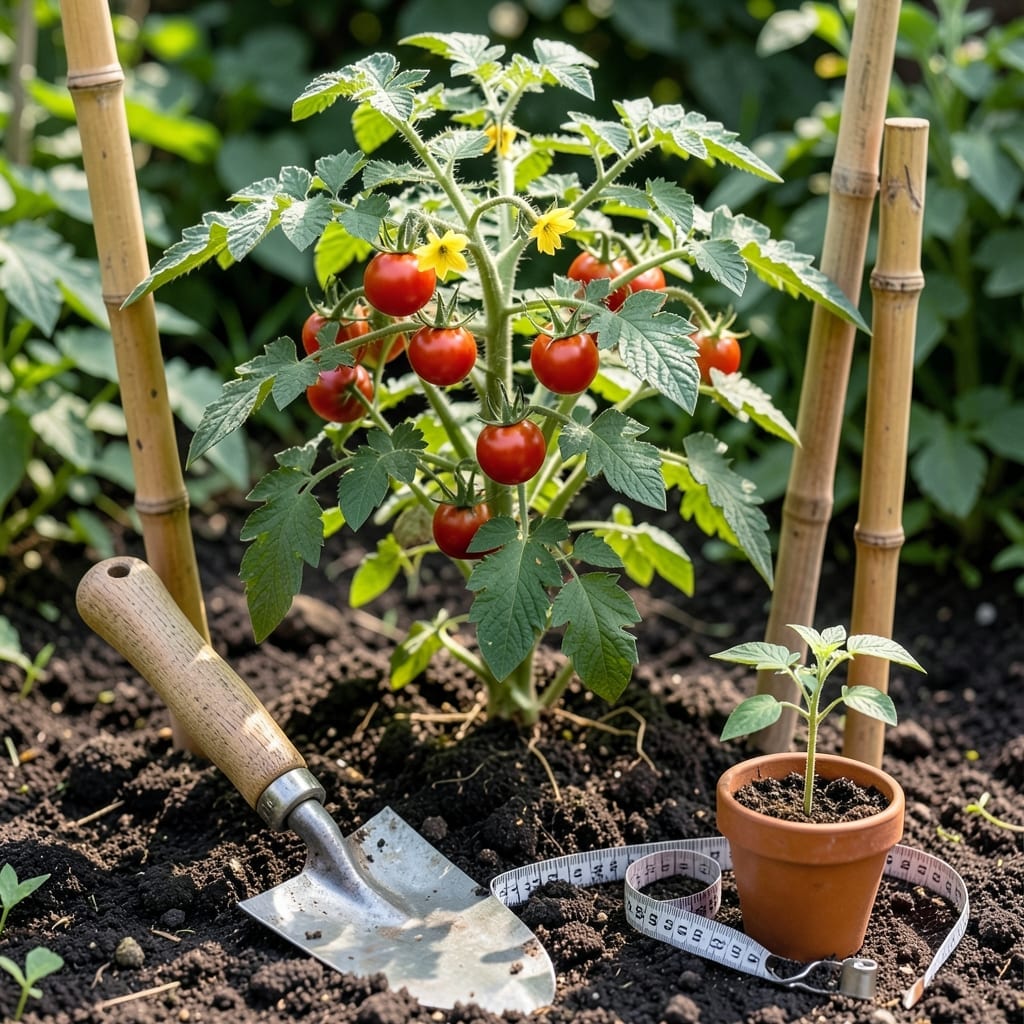
Planting Tomato 🍅 at the right depth can make or break your harvest. It’s not just about digging a hole—it’s about setting the stage for strong roots and healthy growth.
Get it wrong, and you risk weak plants or disease. I’ve seen gardeners struggle for seasons until they learn how to nail this one detail.
Let me walk you through the perfect approach so your plants thrive from day one. You’ll be amazed at the difference it makes.


Planting tomatoes at the right depth is a game-changer for your garden. I’ve learned that burying the stem encourages extra root growth, leading to stronger plants and better yields. It’s science-backed and simple.
When you plant deep, the buried stem grows adventitious roots, which boost water and nutrient uptake. This also prevents soil-borne diseases from splashing onto leaves. Stability improves too, as the plant anchors better.
| Benefit | Why It Matters |
|---|---|
| More Roots | Better nutrient absorption and drought resistance |
| Disease Prevention | Reduces fungal spores reaching leaves |
| Stability | Prevents toppling in wind or heavy rain |
I always bury one-third to half of the stem when transplanting. This works for both seedlings and legacy plants. The extra roots form quickly, giving your tomatoes a head start in the garden.
If your seedlings are leggy, don’t worry. Plant them deep or even horizontally in a trench. The stem will straighten out, and roots will grow along the buried portion. This trick saves weak starters every time.
Shallow planting is a common mistake. It leaves stems exposed, making plants vulnerable to disease and drought stress. I’ve seen gardeners lose entire crops because of this simple oversight.
On the flip side, planting too deep can smother the plant. The top leaves should always stay above soil. Burying them risks rot and stunted growth, which defeats the purpose.
Soil type matters too. In sandy soil, you might plant a bit deeper for stability. In clay soil, stick to the standard depth to avoid waterlogging. Always test drainage first.
I also recommend watering deeply after planting. This settles the soil and ensures good root-to-soil contact. A light mulch layer helps retain moisture while roots establish.
Finally, remember that consistency is key. Whether you’re planting cherry tomatoes or beefsteaks, the depth principle remains the same. Follow these steps, and you’ll see healthier plants and bigger harvests 🌱
I always start by preparing the soil before planting. Loosen it to 12-18 inches deep and mix in compost for nutrients. This gives roots room to spread easily.
For transplanting seedlings, dig a hole twice as deep as the pot. This extra depth lets you bury part of the stem, which is key for root growth.
If your seedling is leggy, plant it horizontally in a trench. The buried stem will grow roots, and the plant will straighten toward the sun.
For direct sowing, plant seeds 1/4 inch deep in warm soil. Once seedlings emerge, thin them to avoid crowding.
After planting, I water thoroughly to remove air pockets. This ensures good root contact with the soil for faster establishment.
Remember, the top leaves must stay above soil. Burying them can cause rot. Keep the soil moist but not soggy for the first week.
With this method, your tomatoes will develop strong root systems and thrive all season long 🌱