
Beautiful Plants For Your Interior
Beautiful Plants For Your Interior
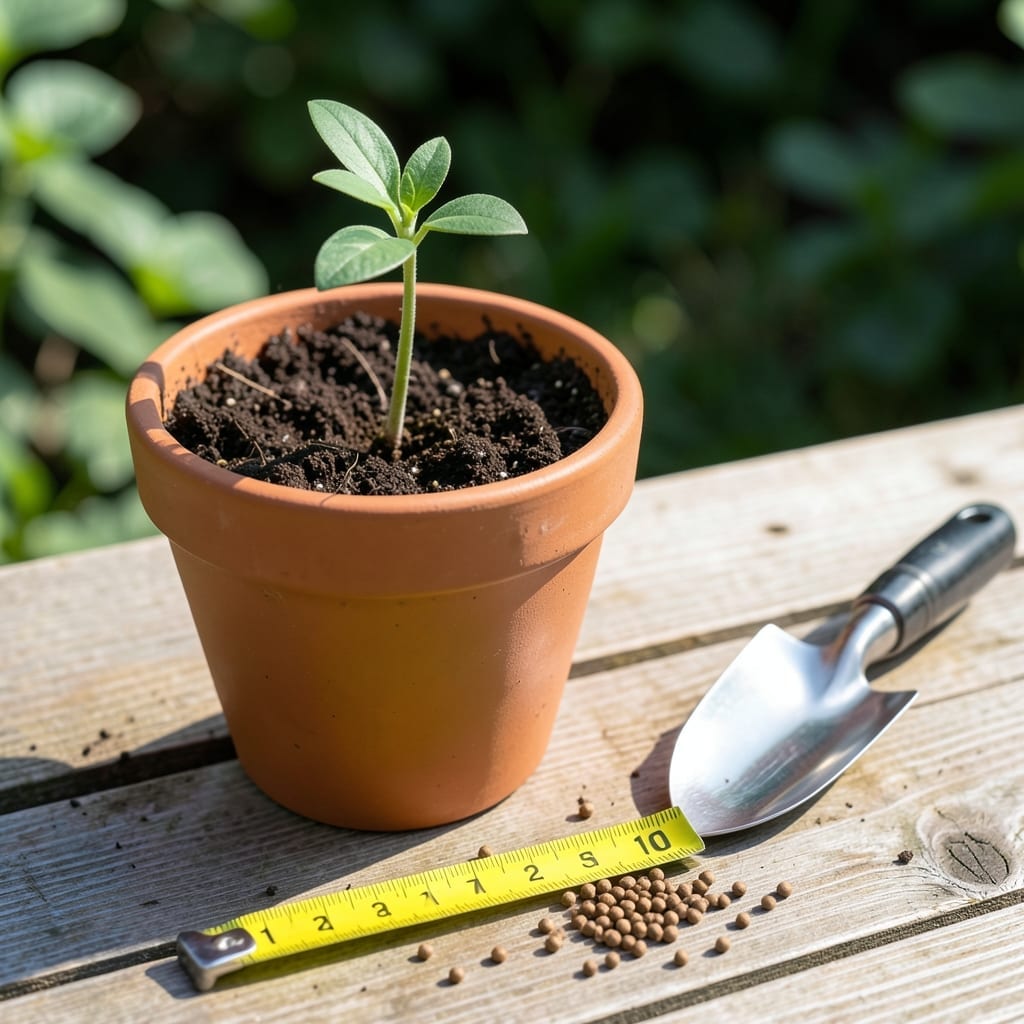
Planting seeds at the correct depth is the hidden secret to strong germination and healthy seedlings. Get it wrong, and you risk poor sprouting or weak plants that struggle to thrive.
With 🌱 General, timing and technique make all the difference. Whether you’re a beginner or seasoned gardener, nailing this step ensures your spring planting gets off to the best start.
Discover the simple rules that take the guesswork out of planting. I’ll show you how to set your seeds up for success from the very beginning.

Getting the planting depth right is crucial for strong germination and healthy seedlings. The general rule I follow is planting seeds 2-3 times their diameter deep. This ensures they have enough soil coverage without being too deep to sprout.
However, seed size and type can change this rule. Tiny seeds like lettuce or petunias need just a light covering, while larger seeds like beans or squash can go deeper. Always check the seed packet for specific guidance.
| Seed Type | Size | Planting Depth | Examples |
|---|---|---|---|
| Tiny | 1/16″ | 1/8″ | Lettuce, Petunias |
| Small | 1/8″-1/4″ | 1/4″-1/2″ | Carrots, Radishes |
| Medium | 1/4″-1/2″ | 1/2″-1″ | Beans, Beets |
| Large | 1/2″+ | 1″-2″ | Corn, Squash |
For vegetable seeds, I’ve found that most do well at 1/2 inch depth. This includes favorites like tomatoes, peppers, and cucumbers. These seeds are large enough to push through the soil but not so big that they need extra depth.
Flower seeds vary more, with tiny seeds like begonias needing just a sprinkle of soil. Medium flowers like marigolds do best at 1/4 inch. Always press the soil gently after planting to ensure good seed-to-soil contact.
Herb seeds like basil or parsley are typically small, so 1/4 inch is ideal. These seeds need light to germinate, so avoid burying them too deep. I like to mist the soil after planting to avoid disturbing the seeds.
Remember, soil type matters too. In sandy soil, you might plant a bit deeper to ensure moisture reaches the seeds. In clay soil, stick to the shallower end to prevent compaction from slowing sprouting.
If you’re unsure, err on the side of shallower planting. Seeds planted too deep may not have the energy to reach the surface. I’ve saved many a seedling by planting just a tad shallower than recommended.
Finally, light conditions play a role. Seeds needing light to germinate, like snapdragons, should barely be covered. Others, like sunflowers, can handle a bit more depth. Always check the packet for these details.
With practice, you’ll develop a feel for the right depth for each seed type. Until then, this guide and your seed packets are your best friends for successful germination 🌱
Even experienced gardeners occasionally get seed depth wrong, leading to poor germination or weak seedlings. I’ve seen firsthand how planting too deep can smother seeds, while shallow planting leaves them vulnerable to drying out.
One of the most common mistakes is ignoring seed size. Tiny seeds like lettuce or carrots can’t push through deep soil, while large seeds like beans need more coverage to stay moist.
Another frequent issue is inconsistent depth across a row. I use a ruler or planting stick to maintain uniformity. Uneven planting leads to patchy germination, which can be frustrating when you’re expecting a full row of radishes or spinach.
Many gardeners also overlook soil moisture when planting. If the soil is too dry, seeds may not germinate even at the perfect depth. I always pre-moisten the soil before planting and keep it consistently damp until seedlings emerge.
Light conditions matter too. Seeds needing light, like snapdragons, should barely be covered. Others, like corn, can handle deeper planting. Always check your seed packet for these specifics.
Lastly, temperature plays a role. In cooler climates, planting seeds slightly deeper can provide insulation. In warmer areas, shallower planting prevents overheating. I adjust my depth based on the season and local weather patterns.
With attention to these details, you’ll avoid the most common pitfalls and enjoy strong, healthy seedlings every time 🌱